

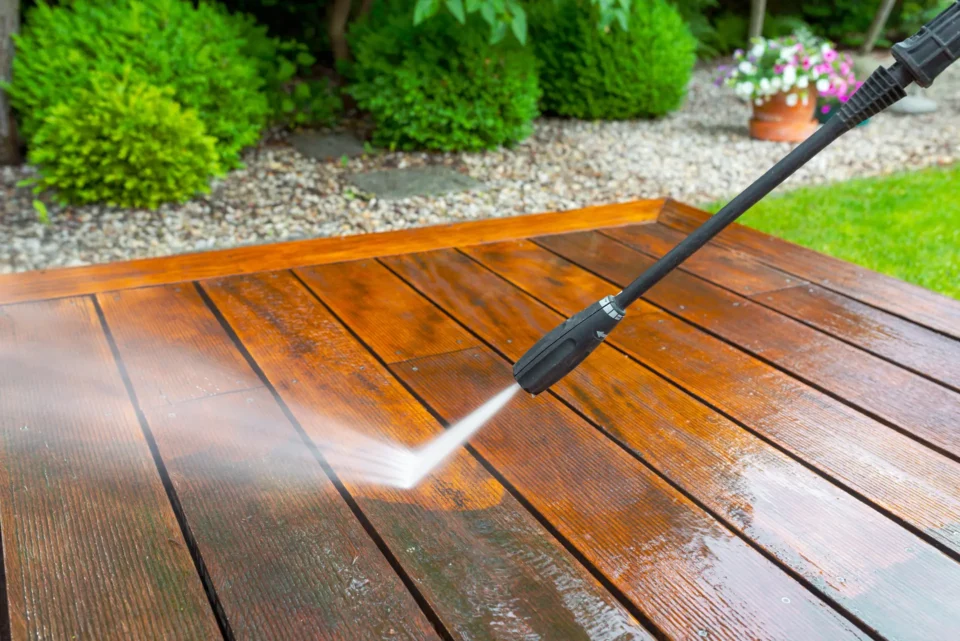
The main difference between soft washing and pressure washing is how they clean. Soft washing uses low-pressure water combined with cleaning solutions to break down dirt, algae, mildew, and organic buildup. Pressure washing uses high-pressure water to blast away grime, stains, mud, and surface debris.
When comparing Soft Washing vs Pressure Washing, neither method is automatically better for every job. The right choice depends on the surface being cleaned, the type of buildup present, and how much pressure the material can safely handle. Siding, roofs, painted surfaces, and wood usually need a gentler approach, while concrete, brick, pavers, and driveways often benefit from stronger pressure.
If you are searching for Pressure Washing Fort Mill, SC, understanding the Soft Wash vs Power Wash Differences can help you avoid surface damage and get better cleaning results. A professional exterior cleaning company knows when to use soft washing, when to use pressure washing, and when both methods should be combined for a complete clean.
What Is Soft Washing And How Is It Different From Pressure Washing?
Soft washing and pressure washing both clean exterior surfaces, but they use very different methods. The biggest difference is pressure level.
What is soft washing?
Soft washing uses low-pressure water along with specialized cleaning solutions. Instead of forcing grime off the surface with pressure alone, the cleaning solution does most of the work by loosening and killing organic growth.
Soft washing is commonly used for:
- Vinyl siding
- Painted siding
- Roof shingles
- Stucco
- Wood fences
- Decks
- Outdoor trim
- Soffits and fascia
- Screens and enclosures
This method is especially useful for removing algae, mildew, mold, and other organic stains. Learn more about how low-pressure treatments work in Soft Washing: Breaking Down How Microorganisms React to Low-Pressure Treatments.
What is pressure washing?
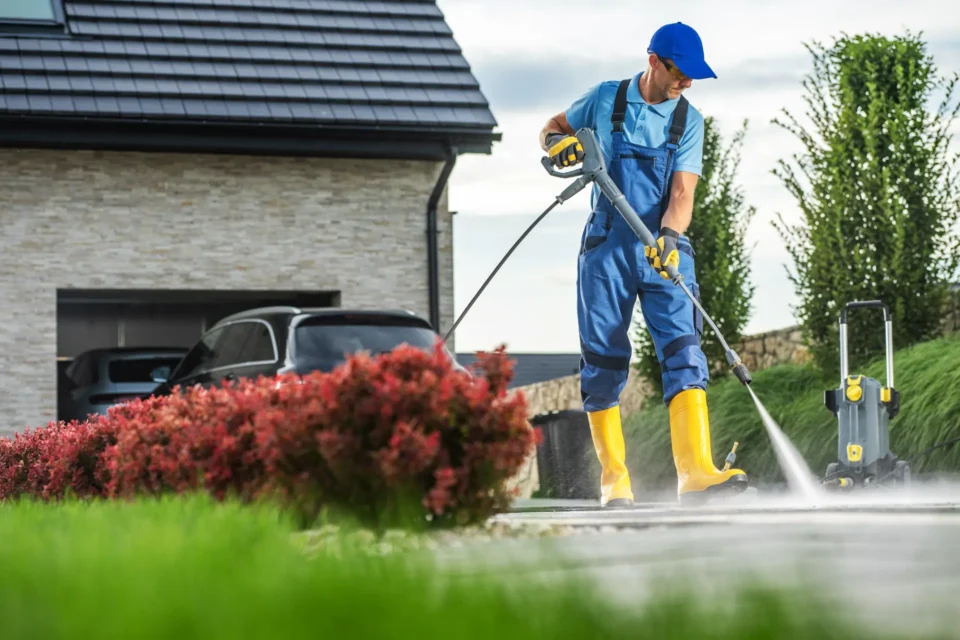
Pressure washing uses high-pressure water to remove dirt, grime, mud, loose paint, and surface buildup. The force of the water does most of the cleaning.
Pressure washing is commonly used for:
- Driveways
- Sidewalks
- Concrete patios
- Brick surfaces
- Stone walkways
- Pool decks
- Garage floors
- Some commercial surfaces
Pressure washing is powerful, but that power must be controlled. Too much pressure can damage softer surfaces.
The biggest difference
The main Soft Wash vs Power Wash Differences come down to pressure and cleaning approach.
Soft washing:
- Uses low pressure
- Relies on cleaning solutions
- Targets organic growth
- Is gentler on delicate surfaces
- Often keeps growth away longer
Pressure washing:
- Uses high pressure
- Relies on water force
- Removes heavy dirt and grime
- Works well on hard surfaces
- Can damage delicate materials if misused
When discussing Soft Washing vs Pressure Washing, the safest and most effective choice depends on the surface and the problem being cleaned.
Which Is Safer For Delicate Surfaces Like Wood Or Siding?
Soft washing is usually safer for delicate surfaces like wood, siding, roofing, painted materials, and older exterior finishes. These surfaces can be damaged by high-pressure water if the wrong equipment or technique is used.
Why high pressure can damage delicate surfaces
Pressure washing is effective, but it can be too aggressive for certain materials. High pressure may:
- Strip paint
- Dent vinyl siding
- Force water behind siding
- Damage window seals
- Splinter wood
- Loosen roof granules
- Crack older mortar
- Etch softer materials
- Leave visible streaks or marks
This is why the Soft Wash vs Power Wash Differences matter. A surface may look strong, but that does not mean it can handle direct high pressure.
Why soft washing is safer for siding
Siding often collects algae, pollen, mildew, and dirt. These are usually best removed with a soft wash method. The cleaning solution treats the buildup, and low-pressure rinsing removes it without forcing water behind panels.
Soft washing is commonly recommended for:
- Vinyl siding
- Painted siding
- Fiber cement siding
- Stucco
- Exterior trim
- Gutters and soffits
For homeowners comparing Soft Washing vs Pressure Washing, siding is one of the clearest examples where soft washing is often the better choice. You can also learn more about how exterior cleaning protects paint and siding.
Why soft washing is safer for wood
Wood can be vulnerable to pressure damage. Too much force can raise the grain, create lines, or splinter the surface. Professional wood cleaning and restoration helps preserve the material while cleaning it effectively.
Safety depends on skill, not just equipment
Even soft washing must be done properly. The wrong cleaning solution mix, poor rinsing, or careless application can still cause problems. A professional providing Pressure Washing Fort Mill, SC should understand how to protect landscaping, choose the right method, and adjust the cleaning process for each surface.
When Should You Use Soft Washing Instead Of Pressure Washing?
You should use soft washing instead of pressure washing when the surface is delicate, painted, easily damaged, or covered with organic growth like algae, mildew, moss, or mold. Soft washing is designed to clean without relying on harsh force.
Best situations for soft washing
Soft washing is often the better choice for:
- House siding
- Roof shingles
- Painted surfaces
- Wood fences
- Wood decks
- Stucco
- Outdoor trim
- Screened porches
- Outdoor furniture
- Areas with algae or mildew growth
If the goal is to remove organic staining safely, soft washing is often more effective than pressure alone.
Why soft washing works well on algae and mildew
Algae and mildew can grow into surfaces and return quickly if they are only blasted away with water. Soft washing uses cleaning solutions that treat the source of the growth. This can help the surface stay clean longer compared to pressure washing alone.
This is one of the biggest Soft Wash vs Power Wash Differences. Pressure washing may remove visible grime, but soft washing can treat biological growth more deeply.
For example, recurring roof algae can often be prevented through proper roof cleaning and ongoing maintenance.
When pressure washing may be too risky
Avoid high-pressure washing on surfaces that are:
- Painted
- Thin or flexible
- Aged or brittle
- Sealed with delicate coatings
- Near windows or vents
- Made of soft wood
- Roofing materials
- Older masonry with weakened mortar
High pressure in these areas can create damage that costs more to fix than the cleaning itself.
When in doubt, choose the gentler method
If you are unsure whether a surface can handle pressure, soft washing is often the safer starting point. A professional can test the surface and decide whether more pressure is needed.
Does Soft Washing Last Longer Than Pressure Washing?
Soft washing can last longer than pressure washing when the problem is algae, mildew, mold, or other organic growth because it treats the source instead of only removing surface stains.
Results depend on factors such as:
- Humidity
- Tree coverage
- Shade
- Rainfall
- Pollen levels
- Surface material
- Drainage
- Previous buildup
Is Pressure Washing More Powerful Than Soft Washing?
Yes, pressure washing is more powerful in terms of water force. It uses high pressure to remove dirt, stains, mud, and surface buildup. However, more power does not always mean better cleaning.
Pressure washing is ideal for:
- Concrete driveways
- Sidewalks
- Brick walkways
- Stone patios
- Garage floors
- Pavers
Understanding the science of pressure washing helps explain why proper pressure selection is critical for different materials.
Can Both Methods Be Used Together For Exterior Cleaning?
Yes. Many professional exterior cleaning projects combine both methods because different surfaces require different cleaning techniques.
A complete cleaning plan may include:
- Soft washing for house washing
- Soft washing for roofs
- Soft washing for painted trim
- Pressure washing for concrete
- Pressure washing for sidewalks
- Careful washing for decks and fences
- Low-pressure rinsing around windows and doors
Professional cleaning should always be customized rather than using the same pressure everywhere.
Choose the Right Cleaning Method for Every Surface
The difference between soft washing and pressure washing comes down to pressure, process, and purpose. Soft washing uses low pressure and cleaning solutions to treat dirt, algae, mildew, and organic buildup. Pressure washing uses high-pressure water to remove grime from tougher surfaces like concrete, brick, and pavers.
When comparing Soft Washing vs Pressure Washing, soft washing is usually safer for siding, roofs, painted surfaces, stucco, and wood. Pressure washing is better for durable hard surfaces that can handle stronger force. In many cases, the best exterior cleaning plan uses both methods.
Understanding the Soft Wash vs Power Wash Differences can help protect your home from damage and produce better long-term results. The right cleaning method should be based on the surface, the type of buildup, and the condition of your property.
Refresh Your Exterior the Right Way with Power Clean Pressure Washing
At Power Clean Pressure Washing in Rock Hill, SC, we help homeowners choose the safest and most effective cleaning method for every part of their property. Whether your siding needs a gentle soft washing service or your driveway needs professional pressure washing, our team can recommend the right approach.
If you are looking for reliable Pressure Washing Fort Mill, SC, contact Power Clean Pressure Washing today. We’ll help you understand the best option for your home and deliver exterior cleaning that is effective, careful, and built around your property’s needs.