

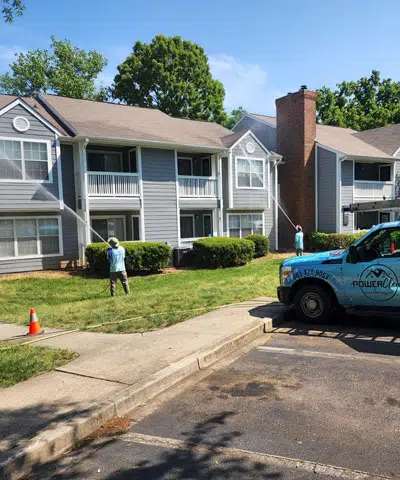
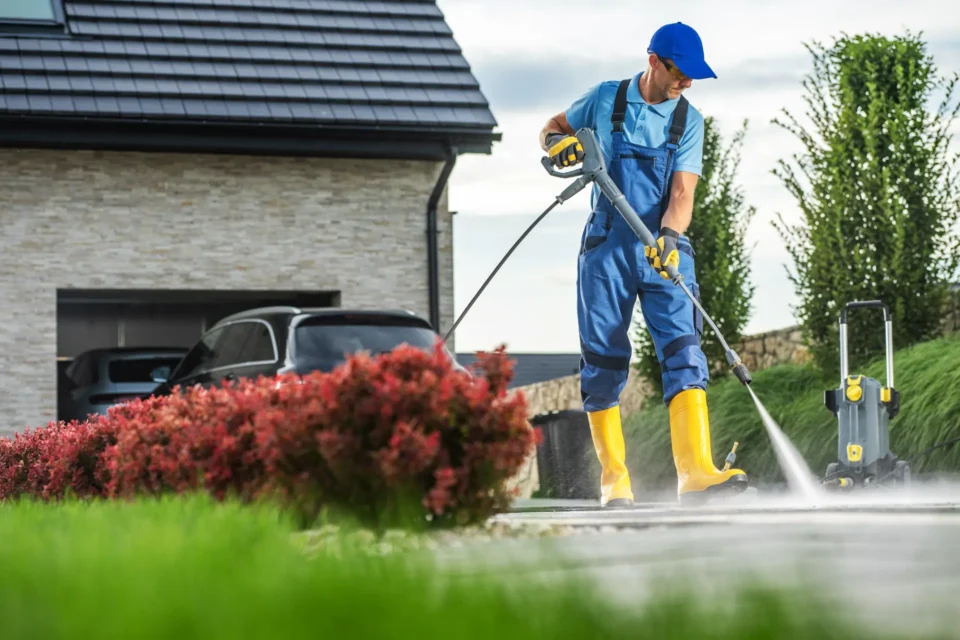
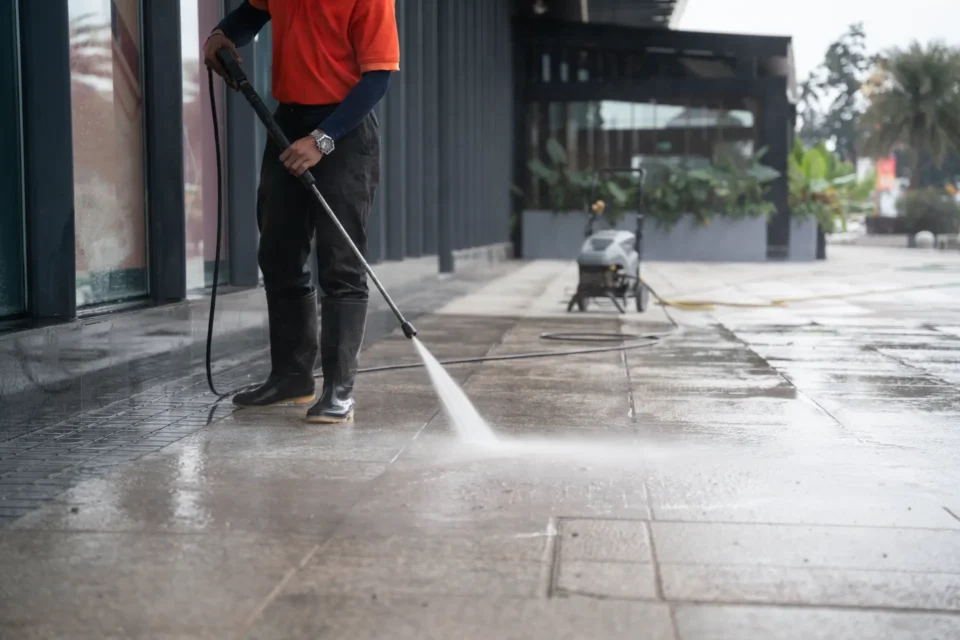
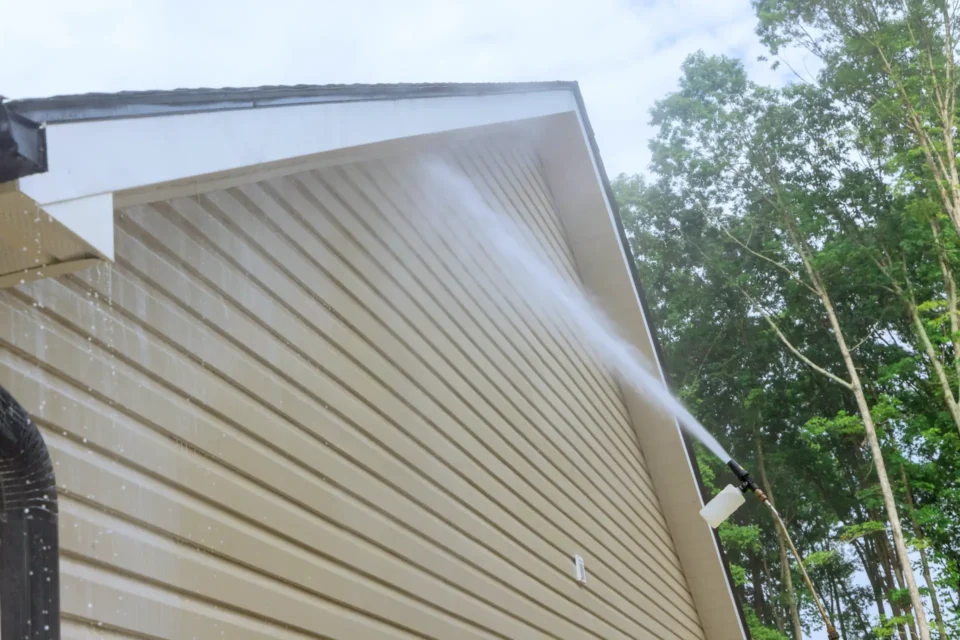
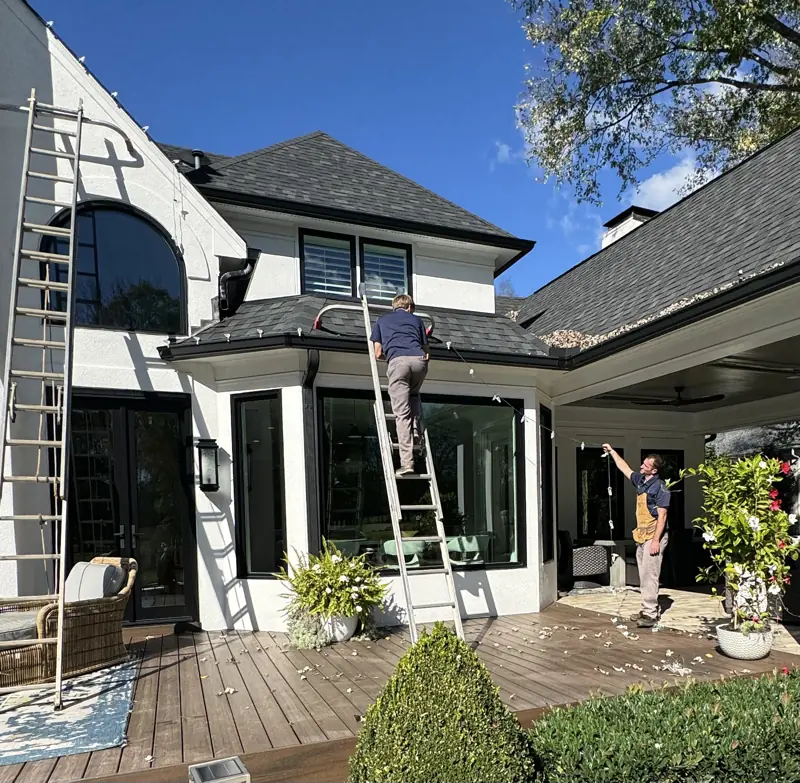
Most houses benefit from washing once yearly. Homes exposed to heavy shade, moisture, pollen, traffic, or nearby trees may need cleaning twice per year.
Annual Cleaning For Typical Properties
An annual schedule works well when siding develops only light dust, pollen, cobwebs, and minor organic staining. Regular house washing prevents buildup from becoming deeply embedded.
Routine cleaning also gives technicians an opportunity to identify stains, damaged siding, loose trim, or drainage problems before worsening.
More Frequent Cleaning For High-Risk Areas
Some sides of a home may need attention more often than others. North-facing walls usually receive less direct sunlight and may stay damp longer.
Homes near wooded areas can collect sap, bird droppings, algae, and leaf residue quickly. Properties beside busy roads may also develop soot and exhaust deposits.
The schedule should reflect actual conditions rather than a rigid calendar. A visual inspection every few months helps determine whether cleaning is needed sooner.
What Happens If You Never Pressure Wash Your Home?
Neglecting exterior cleaning allows dirt, algae, mildew, pollen, and pollutants to remain on surfaces. Over time, this buildup affects appearance and accelerates wear.
Organic growth can hold moisture against siding, trim, fences, and masonry. Constant dampness may encourage staining, discoloration, and material deterioration. Learn more about how exterior cleaning protects paint and siding.
Dirty surfaces are also harder to inspect. Damage can remain hidden beneath grime, especially around joints, fasteners, vents, and lower siding panels.
Driveways and walkways may become slippery when algae develops. This creates a safety concern near entrances, steps, slopes, and shaded areas.
A neglected exterior usually requires stronger cleaning methods later. Regular exterior cleaning is generally easier, faster, and more predictable than removing years of accumulated buildup.
Does Climate Affect How Often You Should Pressure Wash?
Climate has a major effect on cleaning frequency. Humidity, rainfall, heat, wind, and seasonal pollen all influence how quickly exterior surfaces become dirty.
Humid And Rainy Conditions
Warm, damp weather supports algae, mildew, and mold growth. Surfaces that dry slowly may need cleaning more than once per year.
Frequent rain can wash some loose dirt away, but it also keeps shaded areas moist. Water runoff may leave streaks beneath gutters, rooflines, windows, and downspouts.
Dry And Dusty Conditions
Dry climates produce less organic growth, but dust can collect on siding, concrete, and outdoor furniture. Wind may carry soil, pollen, and debris against the building.
Seasonal Pollen
Heavy pollen can coat windows, siding, porches, and driveways within weeks. Homes surrounded by flowering trees or dense vegetation may benefit from cleaning after peak pollen season. You can also learn more about how spring pollen triggers algae blooms on residential roofs.
Local conditions should guide the schedule for house pressure washing in Rock Hill, SC, especially during humid months when organic growth can spread quickly.
Is Annual Pressure Washing Enough For Most Homes?
Annual pressure washing is sufficient for many homes when the property receives good sunlight, drains properly, and has limited tree cover. It keeps routine buildup under control without unnecessary cleaning.
However, annual service may not be enough for every surface. One side of a home may stay clean while another develops algae within months.
Homeowners should inspect siding, trim, porches, steps, and concrete between scheduled cleanings. Green streaks, dark patches, slippery areas, and heavy cobwebs indicate earlier service may be appropriate.
The cleaning method matters as much as frequency. Soft washing is often better for siding, painted surfaces, roofs, and delicate materials because it uses lower pressure with appropriate cleaning solutions.
High pressure should be reserved for durable surfaces that can tolerate it. Excessive pressure can damage siding, mortar, paint, wood, seals, and window components.
Should Mold And Mildew Be Removed Immediately?
Visible mold, mildew, and algae should be addressed promptly. Early cleaning limits spreading, reduces staining, and prevents surfaces from remaining damp for long periods.
Dark or green growth often appears first in shaded areas, beneath eaves, behind shrubs, and near leaking gutters. These locations should be checked regularly.
Mold and mildew should not simply be blasted with maximum pressure. Proper cleaning solutions help break down organic growth so it can be rinsed away safely. For a deeper explanation, read about how microorganisms react to soft washing treatments.
Using too much pressure may force water behind siding or damage surface coatings. It can also leave sections of growth behind, allowing stains to return.
Prompt cleaning is especially important on steps, patios, and walkways. Organic buildup can become slippery when wet and increase the risk of falls.
How Often Should Driveways And Sidewalks Be Pressure Washed?
Driveways and sidewalks should usually be pressure washed once a year. High-traffic areas, shaded concrete, and surfaces exposed to oil, rust, irrigation, or heavy leaf cover may need more frequent service.
Signs Concrete Needs Cleaning
Darkening, tire marks, oil spots, algae, and visible dirt lines indicate that cleaning is due. Slippery patches should be treated quickly.
Concrete is durable, but incorrect pressure can cause surface etching or reveal aggregate. A professional should select the right equipment, distance, and cleaning pattern.
Stain Treatment Matters
Oil, rust, fertilizer, and organic stains often require specialized pretreatment. Pressure alone may lighten the mark without fully removing it.
Sealed concrete may need a gentler approach depending on the coating. Testing a small area helps confirm that the cleaning method will not damage the finish.
Regular washing improves appearance and helps reveal cracks, settlement, or joint problems that require maintenance. Homeowners may also find it helpful to learn how dirty driveways impact property appraisals.
What Season Is Best For Pressure Washing?
Spring and fall are often the best seasons for pressure washing because temperatures are moderate and outdoor maintenance is underway.
Spring Cleaning
Spring service removes winter dirt, pollen, mildew, and debris. It prepares siding, patios, decks, and walkways for warmer weather.
Cleaning after peak pollen can help surfaces stay cleaner longer. However, heavy spring rain may require flexible scheduling.
Fall Cleaning
Fall washing removes summer growth, insect residue, dust, and leaf stains. It also clears surfaces before colder weather and holiday gatherings.
Properties with heavy tree cover may benefit from cleaning after leaves fall.
Pressure washing can be completed in summer when temperatures are managed carefully. Extremely hot surfaces may cause cleaning solutions to dry too quickly.
Winter service is possible during mild conditions, but freezing temperatures can create unsafe surfaces and interfere with effective cleaning.
Key Takeaways
Most homes need pressure washing once a year, while shaded, humid, wooded, or high-traffic properties may require service every six months. Climate, pollen, moisture, surface type, and surrounding vegetation all affect cleaning frequency. Mold, mildew, algae, and slippery buildup should be removed promptly before staining or deterioration becomes worse. Driveways and sidewalks usually benefit from annual cleaning, although visible stains may require earlier attention. Spring and fall offer favorable conditions. A professional inspection helps determine the safest method and schedule for each exterior surface on every individual residential property safely.
Keep Exterior Surfaces Cleaner With Power Clean
Power Clean Pressure Washing helps homeowners establish a practical cleaning schedule based on siding condition, shade, moisture, landscaping, traffic, and surface materials. The goal is to remove buildup safely without applying unnecessary pressure.
For reliable house washing in Rock Hill, SC, the Power Clean team evaluates each area, selecting the appropriate equipment, cleaning solution, and washing method. This approach protects siding, concrete, walkways, patios, and other exterior surfaces.
A routine cleaning plan can improve overall curb appeal, reduce slippery growth, and make future maintenance manageable. Contact the team through the Power Clean Pressure Washing website to determine when service is needed and which areas deserve priority.