

Table of Contents
- What Happens During A Pressure Washing Service?
- How Long Does Professional Pressure Washing Take?
- Do I Need To Be Home During Pressure Washing?
- How Should I Prepare My Property Before Pressure Washing?
- Will Pressure Washing Damage Landscaping?
- What Areas Are Typically Included In A Pressure Washing Appointment?
- How Soon Can I Use Cleaned Surfaces Afterward?
- Key Takeaways
- Start With A Cleaner Exterior
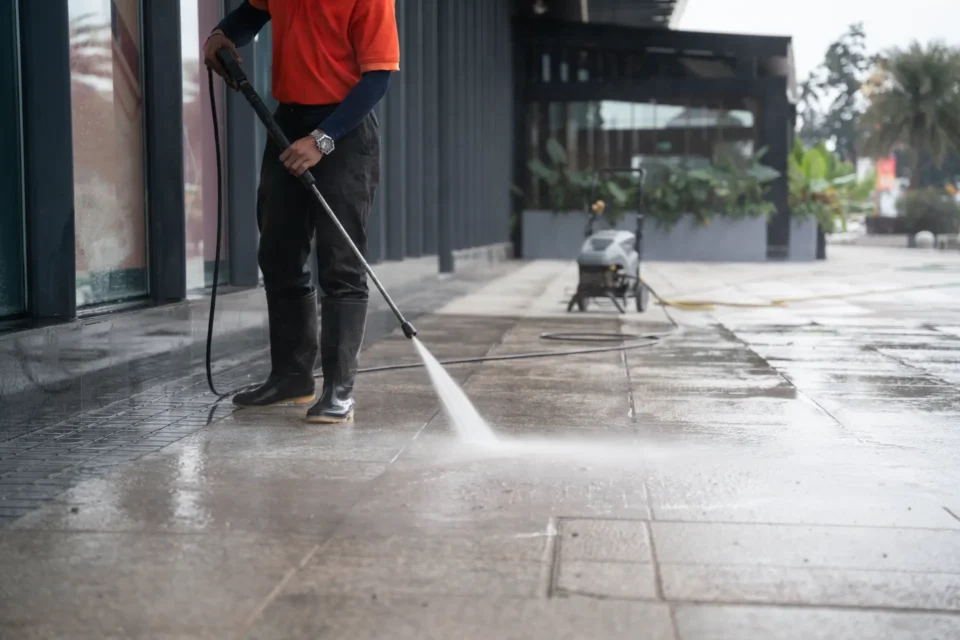
A professional pressure washing appointment usually starts with a property review, followed by surface preparation, cleaning, rinsing, and a final inspection. The technician should explain which areas will be cleaned, what methods will be used, and any precautions needed before work begins.
Professional pressure washing can remove dirt, algae, mildew, grime, and other buildup from exterior surfaces when the correct pressure and cleaning solution are used.
Knowing what to expect helps you prepare your property, protect outdoor belongings, understand the timeline, and avoid interruptions while the service is being completed.
What Happens During A Pressure Washing Service?
A professional service usually begins with a property walkthrough. The technician checks surfaces, identifies fragile areas, and confirms what is included.
The Property Is Evaluated First
Different materials require different methods. Concrete may tolerate higher pressure, while siding, painted surfaces, roofing materials, and wood may need lower pressure or soft washing.
The technician should also look for loose paint, damaged mortar, cracked siding, open windows, electrical concerns, and conditions that could affect cleaning.
Surfaces Are Prepared And Cleaned
Outdoor furniture, decorations, and movable items may need clearing. Nearby plants can be rinsed or protected when cleaning solutions are used.
The technician applies the appropriate method, allows treatment to work as needed, and rinses thoroughly.
A final walkthrough checks results and identifies areas needing additional attention.
How Long Does Professional Pressure Washing Take?
Service time depends on property size, number of surfaces, buildup, access, and cleaning method. A small residential job may take a few hours, while larger or heavily soiled properties can take longer.
Surface Condition Affects The Schedule
Light dirt is faster to remove than thick algae, mildew, grease, or long-standing stains. Some areas may need pretreatment or repeated cleaning.
Complicated layouts add time. Multiple patios, long driveways, fences, second-story siding, and difficult access can lengthen the appointment.
Weather Can Also Affect Timing
Rain, strong wind, extreme heat, or freezing conditions may affect safe, effective cleaning.
When scheduling a pressure washing appointment, ask for an estimated service window rather than assuming every property takes the same amount of time.
Do I Need To Be Home During Pressure Washing?
You may not need to stay home if the company has access to the cleaning areas and required water connections. Policies vary, so confirm expectations beforehand.
Access Needs Should Be Clear
Gates should be unlocked if the technician needs to enter fenced areas. Vehicles, trailers, and other obstacles should be moved when they block access to driveways, siding, patios, or walkways.
If exterior water access is required, make sure the technician knows where it is located.
Discuss Special Concerns Before Leaving
Point out fragile decorations, damaged surfaces, outdoor electrical equipment, pets, security systems, and areas you do not want cleaned.
If you will not be home, provide a way for the company to contact you if an issue appears.
Being available by phone can help prevent delays without requiring you to remain on the property.
How Should I Prepare My Property Before Pressure Washing?
Preparation helps the crew work efficiently and protects items from water or cleaning solutions.
Move Outdoor Items
Remove lightweight furniture, cushions, toys, planters, grills, garden tools, and decorations from the cleaning area.
Items that are too heavy to move should be discussed with the company before service.
Close Windows And Doors
Check that exterior windows and doors are fully closed. Repair or report damaged seals that could allow water inside.
If you have known leaks around doors or windows, tell the technician before cleaning starts.
Protect Sensitive Equipment
Outdoor electronics, speakers, cameras, outlets, charging equipment, and exposed electrical components deserve special attention.
The technician should know about anything that cannot safely get wet.
Also keep pets and children away from active work areas until the crew has finished and equipment has been removed.
Will Pressure Washing Damage Landscaping?
Properly performed exterior cleaning should include steps to protect nearby landscaping. However, plants can be sensitive to concentrated cleaning solutions, strong spray, or prolonged exposure.
Plants May Be Rinsed Before And After Cleaning
Pre-wetting leaves and soil can reduce the amount of cleaning solution plants absorb. Technicians may also rinse landscaping again after nearby surfaces are cleaned.
Some delicate plants may need temporary covering or additional protection.
Pressure Should Not Be Directed At Plants
High-pressure spray can damage leaves, stems, flowers, mulch beds, and young plants. A trained technician should control the direction and distance of the spray.
For professional pressure washing in Rock Hill, SC, homeowners should discuss landscaping near siding, patios, fences, and driveways before work begins.
Mention newly planted areas, vegetable gardens, delicate ornamentals, and irrigation equipment so the crew can plan around them.
What Areas Are Typically Included In A Pressure Washing Appointment?
Included areas depend on the service package and written estimate. Never assume the entire exterior is included unless the quote specifically says so.
Common Exterior Surfaces
Residential pressure washing may include driveways, sidewalks, patios, porches, decks, fences, retaining walls, exterior stairs, and certain siding materials.
Some companies also clean pool decks, concrete pads, detached garages, and other hardscape surfaces.
House Washing May Use Different Methods
House siding is often cleaned with lower pressure and appropriate detergents rather than the strongest pressure setting.
This approach can be more suitable for vinyl siding, painted surfaces, stucco, and other materials that could be damaged by aggressive pressure.
Specialty Areas May Cost Extra
Roof cleaning, rust removal, oil stains, graffiti, oxidation treatment, and certain specialty stain services may require different products or techniques.
Ask for a written scope before the appointment. Clear service details help you understand exactly which surfaces are included and which require separate pricing.
How Soon Can I Use Cleaned Surfaces Afterward?
Many cleaned surfaces can be used once they are rinsed, safe to walk on, and sufficiently dry. Drying time varies with material, shade, temperature, humidity, and weather.
Concrete And Walkways
Concrete may remain damp for several hours after cleaning. Light foot traffic is often possible once standing water is gone and the surface is no longer slippery.
Wait longer before placing rugs, furniture, or stored items back onto damp areas.
Decks And Wood Surfaces
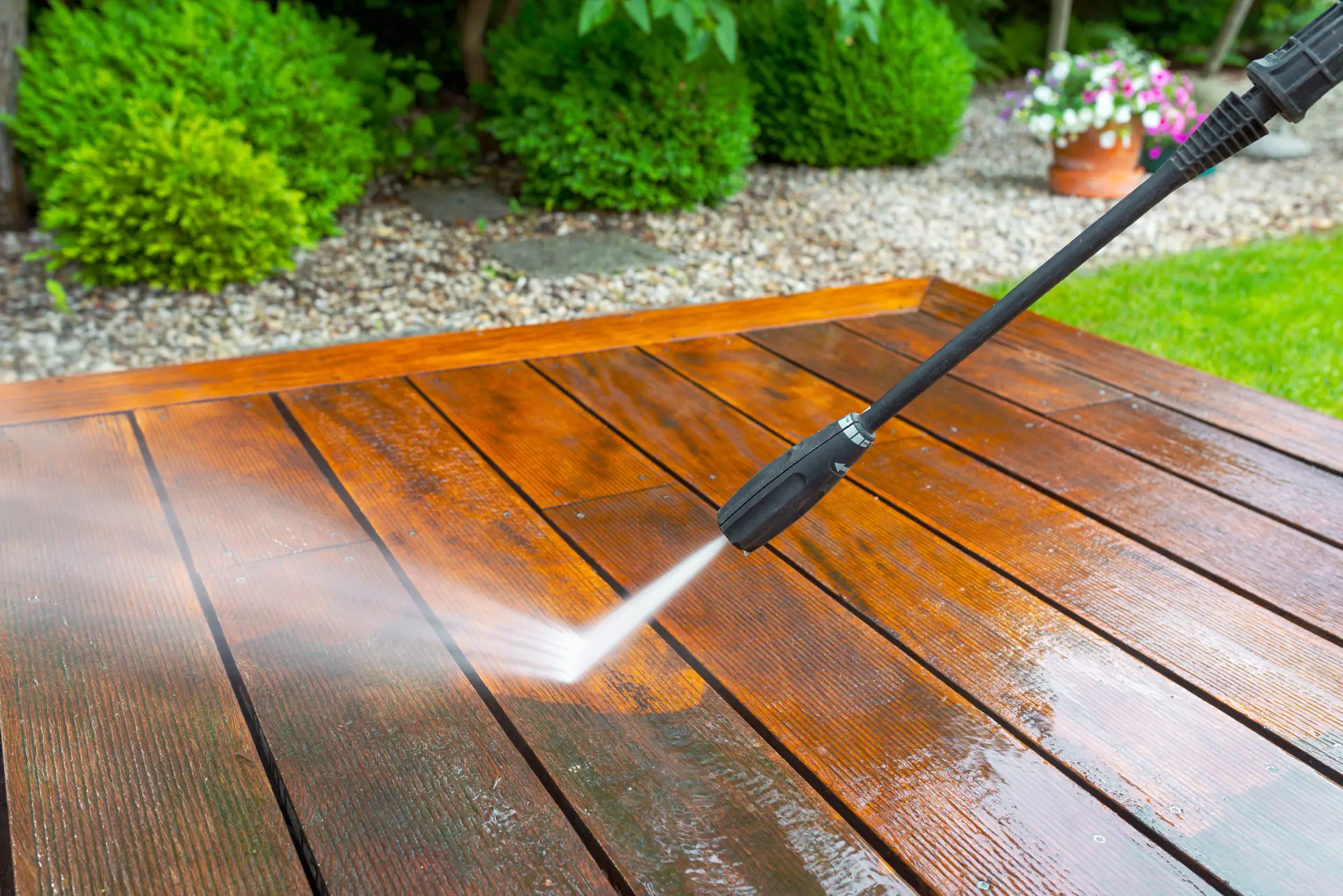
Wood usually needs more drying time than concrete. If staining, sealing, or painting is planned afterward, the wood may need at least a day or longer to dry depending on conditions and coating requirements.
Keep Safety In Mind
Freshly cleaned surfaces can be slippery while wet. Keep children, pets, and guests away from areas that have not dried.
Ask the technician for surface-specific guidance before the crew leaves, especially if you plan to use the area later that day.
Key Takeaways
Your first pressure washing service should include a clear review of the property, appropriate surface preparation, controlled cleaning, thorough rinsing, and a final check of the completed areas.
Prepare by moving outdoor items, closing windows, securing pets, and pointing out delicate landscaping or damaged surfaces. Service time depends on property size, buildup, access, and weather. Confirm exactly what the estimate includes before work begins.
After cleaning, allow surfaces to dry enough for safe use, especially wood, shaded concrete, and areas that remain slippery after rinsing or washing during normal conditions.
Start With A Cleaner Exterior
Power Clean Pressure Washing helps homeowners clean exterior surfaces with methods selected for the material, condition, and level of buildup present. A clear service plan makes it easier to understand what will be cleaned, how the property should be prepared, and what results to expect.
If your driveway, siding, patio, walkways, or other exterior areas have accumulated dirt or organic growth, our team can help evaluate the appropriate cleaning approach. Scheduling professional service can restore a cleaner appearance while reducing the risks that come with using excessive pressure or unsuitable cleaning methods.