



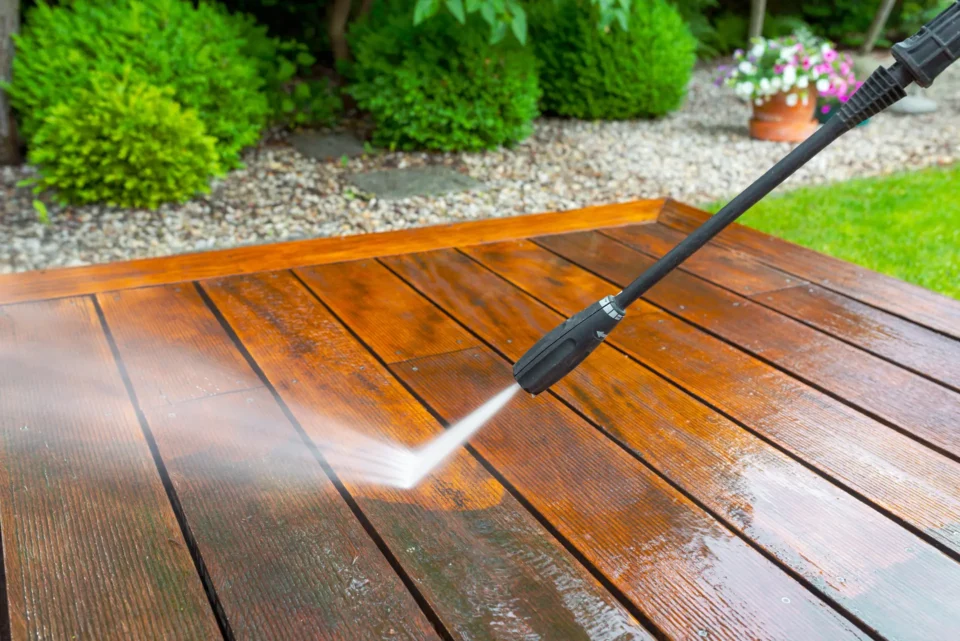
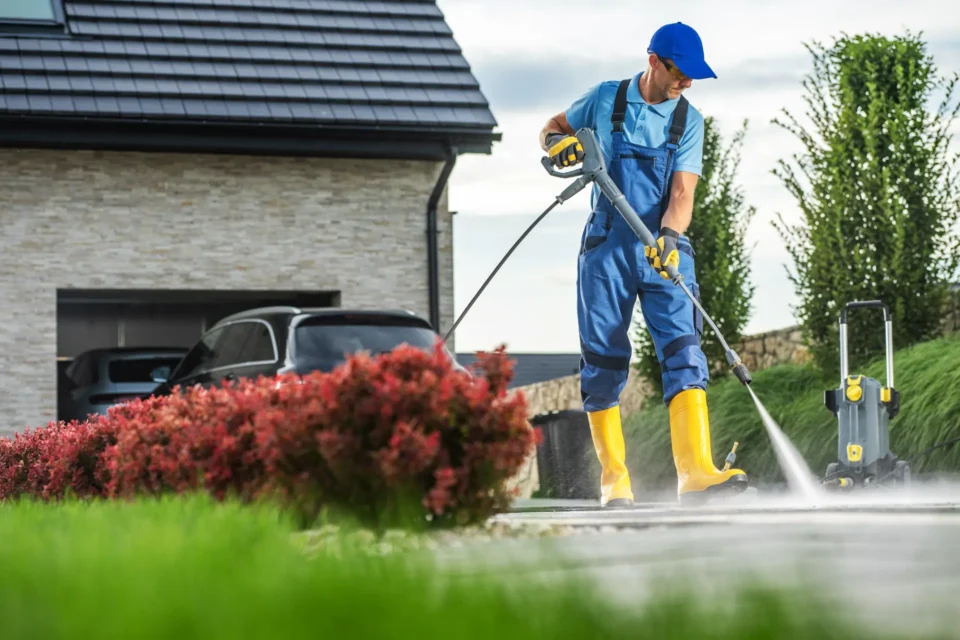
Pressure washing can remove or significantly reduce many driveway oil stains, especially when the spill is fresh and the surface is concrete. Older stains usually need pretreatment, detergent, heat, or repeated cleaning because oil can penetrate below the surface.
Successful Driveway Oil Stain Removal depends on the driveway material, age of the stain, cleaning solution, water temperature, and washing technique. Concrete generally tolerates more aggressive cleaning than asphalt. The safest approach is to remove excess oil first, apply an appropriate cleaner, then pressure wash carefully for the best possible results.
Does Pressure Washing Alone Completely Remove Old Oil Stains From Concrete?
Not always. Pressure washing can remove surface residue and lighten discoloration, but old oil stains often penetrate into the pores of concrete. Water pressure alone may clean the top layer without extracting oil that has soaked deeper into the slab.
Concrete is porous, which allows petroleum-based liquids to move below the visible surface. The longer a spill remains untreated, the harder it becomes to remove completely.
Fresh Stains Respond Better
Fresh oil is easier to address because more of it is still near the surface. Absorbent materials such as cat litter, oil absorbent granules, or commercial spill products can pull up excess liquid before washing begins.
Once the bulk of the oil is removed, a degreaser can break down the remaining residue.
Older Stains Usually Need Pretreatment
Old stains often require more than pressure. A suitable concrete degreaser needs time to work before rinsing.
In difficult cases, several treatments may be necessary. Deep stains may fade substantially without disappearing completely.
Professional Concrete Cleaning focuses on reducing contamination without unnecessarily etching or damaging the slab. More pressure is not automatically better.
What Is The Best Cleaning Chemical To Use With A Pressure Washer For Driveway Oil?
A concrete-safe degreaser is usually the most practical choice for oil stains on a concrete driveway. Degreasers are designed to loosen petroleum residue so it can be lifted and rinsed more effectively.
The correct product depends on the driveway material, stain severity, and pressure washer setup.
Choose a Product Made for the Surface
Use cleaners specifically labeled for concrete when treating concrete. Asphalt requires more caution because some solvents and aggressive degreasers can soften or damage the binder that holds the pavement together.
Always read the label before applying any chemical. Check dilution ratios, required dwell time, surface limitations, and runoff instructions.
Avoid Mixing Cleaning Chemicals
Combining products does not necessarily improve cleaning power and can create dangerous reactions.
Never mix bleach, acids, ammonia-based cleaners, or unknown chemicals together. Use one appropriate product according to its instructions.
Degreaser Needs Contact Time
A degreaser cannot work effectively if it is sprayed on and immediately rinsed away. Most products need several minutes of dwell time.
Do not allow the cleaner to dry on the surface unless the manufacturer specifically permits it. Light agitation with a stiff brush can help work the solution into textured concrete.
Consider the Surrounding Area
Driveway cleaners can affect lawns, ornamental plants, painted surfaces, metals, and nearby drains.
Protect surrounding areas and follow local requirements for managing wash water. Oil-contaminated runoff should not simply be directed into storm drains.
Should You Use Hot Water Or Cold Water To Pressure Wash Oil Stains?
Hot water generally performs better on oily or greasy contamination because heat helps loosen petroleum residue. This is one reason commercial pressure washing equipment often uses heated water for difficult grease and oil cleaning.
Cold water can still work, particularly on fresh or lightly stained concrete when combined with proper pretreatment.
Heat Helps Break Up Grease
Warm or hot water reduces the viscosity of many oily residues, making them easier for detergent and water to move away from the surface.
The combination of heat, degreaser, agitation, and controlled pressure is often more effective than pressure alone.
Temperature Must Suit the Surface and Equipment
Do not use water hotter than the pressure washer, hoses, seals, or surface can safely handle. Hot-water equipment is designed differently from standard residential cold-water machines.
Temperature also matters when cleaning asphalt. Excessive heat and aggressive chemicals may affect an already softened or deteriorated surface.
Professional Driveway Pressure Washing should balance cleaning effectiveness with protection of the material underneath the stain.
Why Does An Oil Stain Come Back On A Driveway After Pressure Washing?
An oil stain can appear to return because oil remains below the concrete surface and migrates upward after cleaning. The top may look clean while the slab is wet, but deeper residue can become visible again as the concrete dries.
This is common with older or heavily saturated stains.
Concrete Can Hold Oil Below the Surface
Concrete contains pores and capillaries. Oil can move into these spaces, especially if a spill sits for days or weeks.
Pressure washing mainly affects the surface. It may not remove contamination that has soaked deeply into the slab.
Wet Concrete Can Hide Remaining Discoloration
A driveway often looks more uniform when wet. Once it dries, remaining dark areas may become visible again.
That does not necessarily mean new oil has appeared. It may simply reveal staining that was temporarily concealed by moisture.
Continued Vehicle Leaks Can Restain the Area
Sometimes the original cleaning worked, but the vehicle continues leaking.
Check the parking area after cleaning. Place clean cardboard under the engine or inspect the pavement after the vehicle has been parked overnight.
If fresh oil is still dripping, the stain will continue returning until the mechanical leak is addressed.
Does Pressure Washing Work Better On Concrete Or Asphalt Oil Stains?
Pressure washing generally offers more flexibility on concrete because properly cured concrete can tolerate more pressure than asphalt. Asphalt is softer and contains a petroleum-based binder, so both oil and aggressive cleaning can damage it.
The cleaning method should match the surface rather than treating every driveway the same way.
Concrete Can Usually Handle More Aggressive Cleaning
Sound concrete can typically tolerate moderate pressure, suitable surface cleaners, and concrete-safe degreasers.
Even so, excessive pressure can etch the surface, create stripes, expose aggregate, or damage weak areas.
Maintaining consistent distance and movement is important. Concentrating a narrow nozzle in one location can cause permanent marks.
Asphalt Requires Lower Pressure
Asphalt can be gouged, stripped, or roughened by high pressure. Older pavement is especially vulnerable if it is already cracked, oxidized, or losing aggregate.
Oil can also soften asphalt because petroleum products can attack the pavement binder.
Chemical Choice Matters More on Asphalt
Some products that are appropriate for concrete are too strong for asphalt.
Use only cleaners specifically considered safe for asphalt, and test a small area first. Avoid harsh solvents intended to dissolve petroleum because they may also affect the pavement itself.
For severe asphalt contamination, cleaning may not restore the original appearance if the oil has already softened or deteriorated the surface.
What Pre-treatment Steps Should You Take Before Pressure Washing An Oil Stain?
Proper pretreatment makes oil removal more effective and reduces the temptation to rely on excessive pressure. The objective is to remove free oil, loosen residue, and protect nearby surfaces before washing starts.
The steps vary slightly depending on whether the spill is fresh or old.
Absorb Fresh Oil First
Do not immediately blast a fresh spill with water. That can spread oil across a larger area and send contaminated water toward drains or landscaping.
Cover the spill with an appropriate absorbent material. Allow it to soak up as much liquid as possible, then collect and dispose of the material according to local requirements.
Sweep and Clear the Driveway
Remove leaves, dirt, gravel, and loose debris from the cleaning area.
Debris can interfere with the cleaner and may become hazardous when hit by pressurized water.
Apply an Appropriate Degreaser
Treat the stain with a cleaner suitable for the surface. Follow the manufacturer’s dilution and dwell-time instructions.
For textured concrete, gentle brushing can help distribute the cleaner into the pores.
Test a Small Area
Before treating the full stain, test both the chemical and washing pressure in an inconspicuous area.
Check for discoloration, etching, surface loss, or unwanted texture changes.
Protect Nearby Surfaces
Move vehicles, furniture, toys, and movable planters away from the work zone. Protect delicate vegetation when necessary.
Identify where wash water will flow before starting. Avoid sending oily water into storm drains, neighboring property, or areas where it could create a slip hazard.
Preparation is often what separates effective Driveway Oil Stain Removal from a quick rinse that leaves most of the discoloration behind.
Can Pressure Washing Damage An Asphalt Driveway When Cleaning Oil?
Yes. Pressure washing can damage asphalt if the water pressure is too high, the nozzle is too close, or the pavement is already deteriorated. The risk increases when aggressive chemicals are used on an oil-softened area.
Asphalt should be cleaned more gently than concrete.
High Pressure Can Remove Surface Material
A concentrated jet can loosen aggregate and strip oxidized material from the surface.
This may leave pale streaks, rough patches, small depressions, or exposed aggregate that becomes more noticeable after the driveway dries.
Oil Can Already Be Weakening the Asphalt
Motor oil and other petroleum products can soften the binder in asphalt. If the surface feels soft, sticky, or crumbly around the stain, aggressive pressure washing can make the damage worse.
Cleaning can remove residue, but it cannot rebuild binder that has already deteriorated.
Start With the Least Aggressive Method
Use absorbent materials for fresh oil, followed by an asphalt-safe cleaner if needed.
When pressure washing is appropriate, use lower pressure, a wider spray pattern, and greater distance from the surface. Keep the nozzle moving rather than concentrating water in one location.
Know When Cleaning Is Not Enough
If the asphalt has softened, raveled, cracked, or developed a depression, the problem may require pavement repair rather than continued washing.
Trying repeatedly to remove every trace of discoloration can cause more damage than the stain itself. The condition of the pavement should guide the cleaning approach.
Final Thoughts
Pressure washing can reduce many driveway oil stains, but results depend on the surface, stain age, and cleaning method. Fresh oil usually responds better than old contamination that has penetrated deeply into concrete or asphalt. Pretreatment, an appropriate degreaser, proper dwell time, and controlled water pressure improve results. Hot water can help with greasy residue, while asphalt requires lower pressure and safer chemicals. If a stain keeps returning, remaining subsurface oil or an ongoing vehicle leak may be responsible. Effective cleaning starts with diagnosis, not simply pressure and careful preparation.
Get More From Your Driveway Cleaning
Oil stains can make a driveway look neglected, but effective removal requires more than aiming a pressure washer at the darkest area.
At Power Clean Pressure Washing, we consider the driveway material, stain condition, surrounding surfaces, and the amount of cleaning the pavement can safely tolerate.
Concrete and asphalt respond differently, and older stains may need pretreatment before washing produces overall improvement. Professional cleaning can provide a more controlled approach when regular rinsing is not enough.
A careful assessment can help determine whether pressure washing, pretreatment, or repeated cleaning is the most appropriate next step for your driveway.