

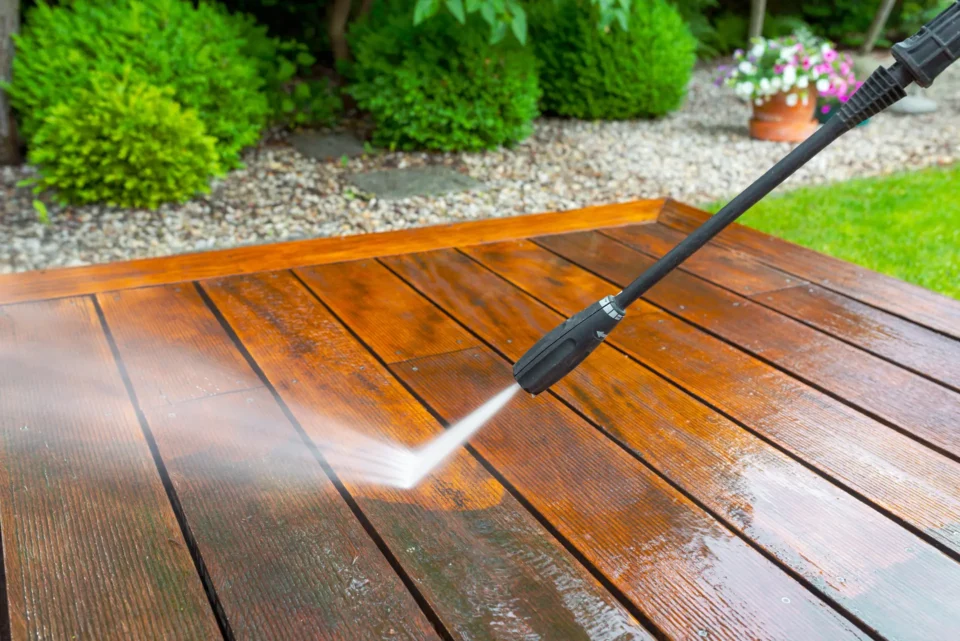
Residential pressure washing is designed for homes, while commercial pressure washing is built for larger properties, heavier buildup, and more demanding cleaning schedules. The right service depends on your property type, surface materials, traffic level, safety needs, and the size of the job.
Homeowners usually need careful cleaning for siding, driveways, decks, patios, and fences. Businesses often require broader service for storefronts, sidewalks, parking areas, loading zones, and multi-story surfaces. Understanding these differences helps property owners choose the correct process, equipment, and maintenance plan without paying for unnecessary cleaning work.
What Is The Difference Between Residential And Commercial Pressure Washing?
The main difference is the scale, cleaning intensity, and operational planning required for each property type.
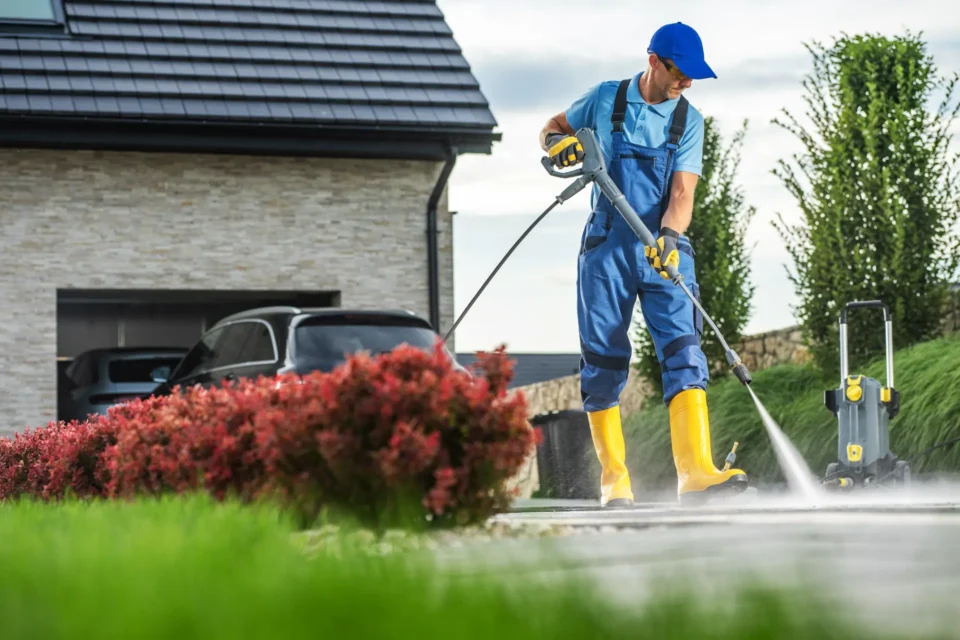
Residential pressure washing usually focuses on homes and smaller exterior areas. Common surfaces include vinyl siding, brick, driveways, patios, decks, fences, porches, and walkways.
The work requires lower pressure, suitable chemicals, and protection for landscaping, windows, paint, furniture, and fixtures.
Residential Cleaning Priorities
Home cleaning centers on curb appeal, maintenance, and protection.
Technicians must understand which materials can tolerate direct pressure and which need soft washing. Vinyl siding, stucco, painted surfaces, and roofing areas can be damaged when pressure is too high.
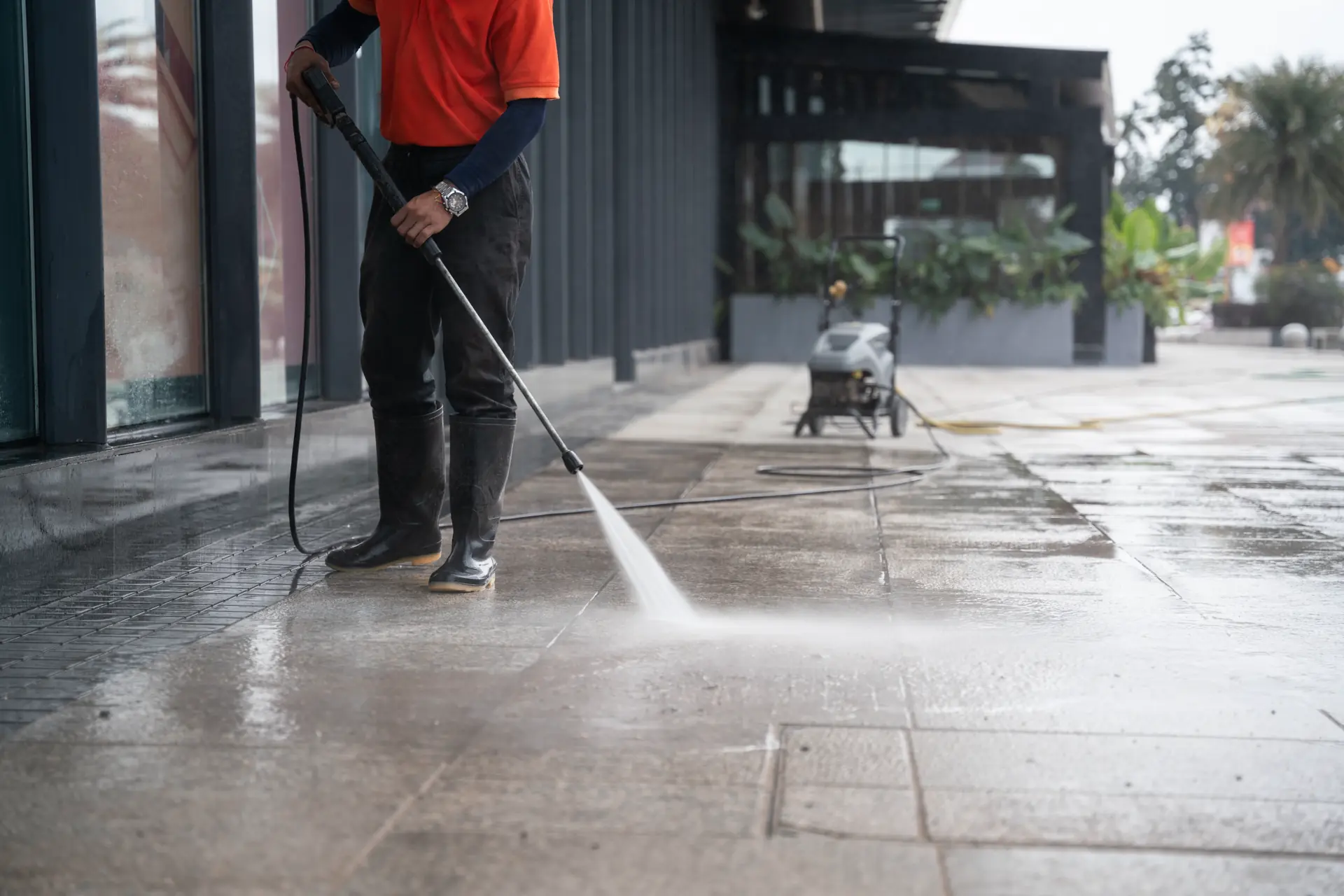
Commercial pressure washing serves larger or higher-use properties. These jobs may include storefronts, offices, warehouses, sidewalks, loading docks, and multi-unit properties.
Commercial work often involves larger crews, stronger equipment, traffic control, water recovery, safety planning, and cleaning outside normal business hours.
The service must account for customers, employees, tenants, deliveries, and regulations.
Is Commercial Pressure Washing More Expensive Than Residential Services?
Commercial pressure washing is often more expensive because the jobs are larger, more complex, and more demanding.
Pricing may reflect square footage, surface type, stain severity, equipment requirements, water access, labor hours, and safety measures.
A small storefront may cost less than a large home, but most commercial projects involve more area and buildup.
Factors That Affect Commercial Pricing
Access is a major factor. Multi-story walls, parking structures, rooftops, and enclosed service areas may require lifts, extension systems, additional hoses, or specialized safety equipment.
Cleaning frequency also affects cost. A property cleaned regularly is usually easier to maintain than one with years of grease, gum, algae, oil, and traffic residue.
Commercial contracts may offer predictable pricing through scheduled service.
Residential pricing usually covers one visit or a smaller service package. Cost depends on home size, surfaces, and condition.
Property owners should compare the scope of work, not only the total price.
What Types Of Properties Require Commercial Pressure Washing?
Properties with high traffic, large exterior areas, public access, or strict appearance standards usually require commercial service.
Retail centers need clean sidewalks, entrances, signs, loading areas, and storefronts. Restaurants often need grease removal around dumpsters, delivery zones, patios, and service areas.
Office buildings benefit from regular cleaning around entrances, walkways, parking areas, and exterior walls.
Common Commercial Property Types
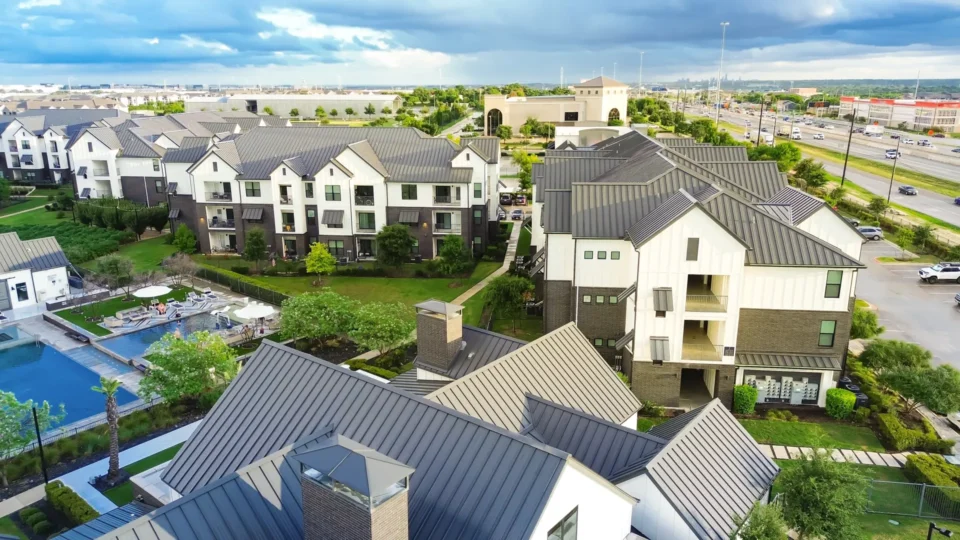
Apartment communities and condominiums often need building washing, breezeway cleaning, pool deck service, sidewalk cleaning, and common-area maintenance.
Warehouses and industrial facilities may require cleaning for loading docks, concrete floors, exterior walls, equipment zones, and vehicle areas.
Medical offices, schools, churches, hotels, and public properties also benefit because visitors notice exterior conditions quickly.
Commercial service is especially important where dirt creates safety concerns. Grease, algae, and residue can make walking surfaces slippery.
Clean surfaces also support tenant satisfaction and customer confidence.
How Often Should Commercial Buildings Be Pressure Washed?
Most commercial buildings should be pressure washed at least once or twice per year. High-traffic or food-service properties may need cleaning more often.
The correct schedule depends on climate, traffic, moisture, tree cover, and business type.
Entrances and sidewalks may need quarterly cleaning because people use them daily.
Create A Surface-Specific Schedule
Different areas should not follow the same schedule.
Dumpster pads, restaurant service zones, and loading areas may need monthly or quarterly cleaning. Building exteriors may only need annual service.
Parking garages often require periodic cleaning because oil, tire residue, dirt, and moisture build up quickly. Professional parking garage and garage cleaning can help address buildup in these high-use areas.
Properties in humid climates may develop algae and mildew faster. Shaded walls and walkways usually need attention before sunny areas.
Routine inspections help schedule service before stains become severe.
A consistent plan reduces emergency cleaning before inspections, events, or busy seasons.
What Equipment Is Used For Commercial Pressure Washing?
Commercial pressure washing uses equipment designed for higher output, longer operating periods, and larger surface areas.
Professional machines often produce greater water flow, improving rinsing speed and debris removal.
Hot-water systems are commonly used for grease, oil, food residue, and industrial buildup.
Specialized Tools Improve Results
Surface cleaners help wash large concrete areas evenly. They reduce streaking and create a more consistent finish than a standard wand.
Extension poles, lifts, and long hose systems improve access to upper walls, signs, canopies, and remote sections of a property.
Chemical application systems allow technicians to apply detergents at controlled strengths.
Water recovery equipment may be required where runoff must be collected or directed properly.
Commercial crews may use cones, barriers, protective equipment, and lighting for after-hours work.
Equipment must match the property, contamination, and surroundings.
Proper pressure washing maintenance helps avoid costly equipment damage, especially when commercial machines are used for longer hours and more demanding jobs.
Can Residential Pressure Washing Companies Handle Commercial Jobs?
Some residential pressure washing companies can handle commercial jobs, but capability depends on experience, equipment, insurance, staffing, and project size.
A successful home cleaner may still lack resources for a shopping center, warehouse, or multi-story building.
Questions To Ask Before Hiring
Ask whether the company has completed similar commercial projects.
Confirm that it carries suitable liability insurance and workers’ compensation coverage.
Find out whether the team can work around business hours, customer traffic, tenant access, and delivery schedules.
The company should also explain how it handles runoff, safety zones, equipment placement, and surface protection.
For smaller offices, storefronts, and low-rise buildings, an experienced residential provider may be capable.
For complex facilities, choose a contractor with a documented commercial process and enough equipment to complete the work efficiently.
Which Pressure Washing Service Is Best For My Property?
The best service depends on property use, size, and surfaces.
Choose residential service for a house, townhouse, private driveway, deck, patio, fence, or small detached building.
Choose commercial service for customer-facing properties, multi-unit buildings, industrial sites, parking areas, large concrete surfaces, or locations with heavy daily traffic.
Match The Service To The Risk
Consider access, water flow, surface sensitivity, public safety, and scheduling.
A private home usually needs careful protection of landscaping and delicate materials. A business may need traffic control, after-hours service, hot-water cleaning, and faster production.
For pressure washing in Rock Hill, SC, local conditions also matter. Humidity, pollen, shade, and seasonal growth can affect how often surfaces need cleaning.
A professional inspection can identify the correct method and help prevent pressure or chemical damage.
Key Takeaways
Residential and commercial pressure washing serve different property needs. Residential work focuses on homes, smaller surfaces, and careful protection of landscaping and finishes. Commercial work handles larger areas, heavier buildup, public access, and more complex scheduling.
Cost depends on size, surface type, equipment, labor, and safety requirements. Commercial properties usually need cleaning at least once or twice each year, while high-traffic areas may need more frequent service.
Choose a provider with the right experience, insurance, equipment, and process for your specific property and cleaning goals over time today.
Keep Every Surface Working For Your Property
Power Clean Pressure Washing helps homeowners and business owners choose a cleaning plan based on the property, not a one-size-fits-all package.
The team evaluates surface materials, buildup, access, safety concerns, and scheduling needs before recommending service.
A residential job may require soft washing and detailed surface protection. A commercial project may need stronger equipment, larger crews, and coordinated access.
Scheduling the correct service protects exterior materials, improves appearance, and makes routine maintenance easier to manage.