

Professional pressure washing is usually worth it when you want safer cleaning, better results, and less risk of property damage. DIY cleaning may cost less upfront, but mistakes with pressure, chemicals, ladders, or surface type can become expensive. For homeowners comparing DIY vs. professional pressure washing, the right choice depends on surface condition, height, stains, equipment experience, and time. A small patio may be manageable. A two-story house, stained driveway, roofline, or delicate siding often deserves a trained cleaner who knows the correct method and pressure for each surface.
Is It Cheaper To Pressure Wash Your House Yourself?
DIY pressure washing is usually cheaper at first because you are not paying for professional labor. You may only pay for machine rental, fuel, cleaning solution, and gear.
Upfront Cost vs. Real Cost
A rental machine may look affordable for a weekend. The final cost can increase when you add detergents, hoses, nozzles, surface cleaners, safety glasses, gloves, transportation, and extra rental time.
Time Has Value
Pressure washing takes more than spraying water. You need to prepare the area, protect plants, move furniture, apply solution, rinse correctly, clean equipment, and return the rental.
A professional crew can often finish faster because they have commercial-grade equipment and a proven process.
When DIY May Make Sense
DIY may work for a small, low-risk surface like a lightly dirty patio, trash bin area, or short sidewalk.
For siding, second-story areas, heavy algae, oil stains, or large driveways, hiring a professional pressure washing service is usually safer and more efficient.
What Are The Risks Of DIY Pressure Washing?
The main risks of DIY pressure washing are surface damage, water intrusion, injury, poor cleaning results, chemical misuse, and wasted time. Pressure washers are powerful tools, not garden hoses.
Pressure Can Be Dangerous
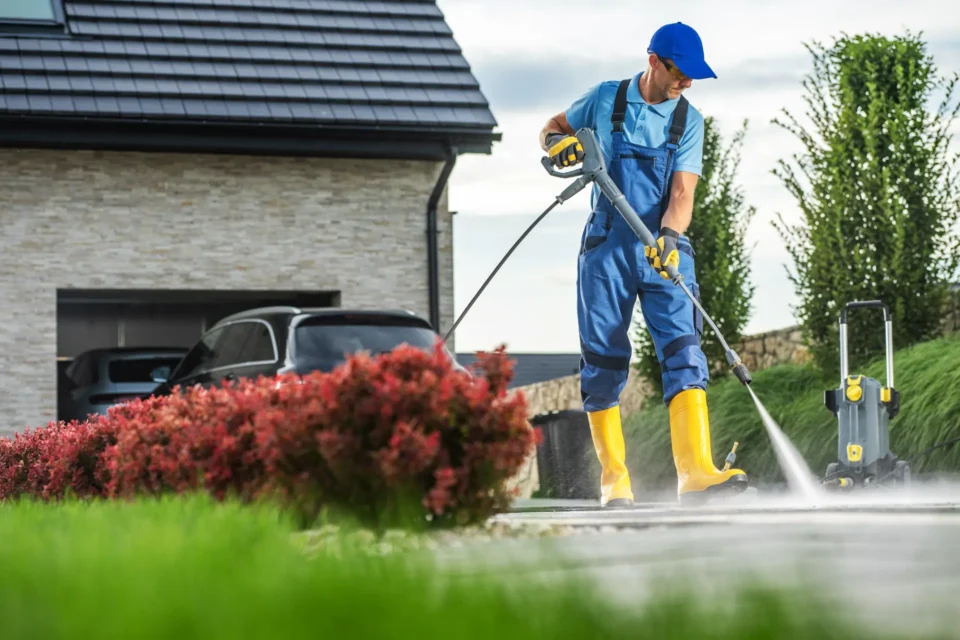
A pressure washer can cut skin, damage eyes, and create unsafe sprayback. Beginners may underestimate how quickly the water stream can cause harm.
Ladders add another risk. Using a pressure washer on a ladder can make balance difficult because the spray has force.
Chemicals Can Cause Problems
Cleaning solutions help remove algae, mildew, dirt, and stains. Used incorrectly, they can harm plants, discolor surfaces, irritate skin, or leave residue.
Poor Technique Leaves Streaks
Uneven cleaning can create lines, stripes, wand marks, and patchy areas. This is common on concrete, siding, fences, and decks.
Can Pressure Washing Damage Siding Or Concrete?
Yes, pressure washing can damage siding, concrete, wood, brick, paint, trim, seals, screens, and windows if the pressure or technique is wrong. Some surfaces should be soft washed.
Siding Damage
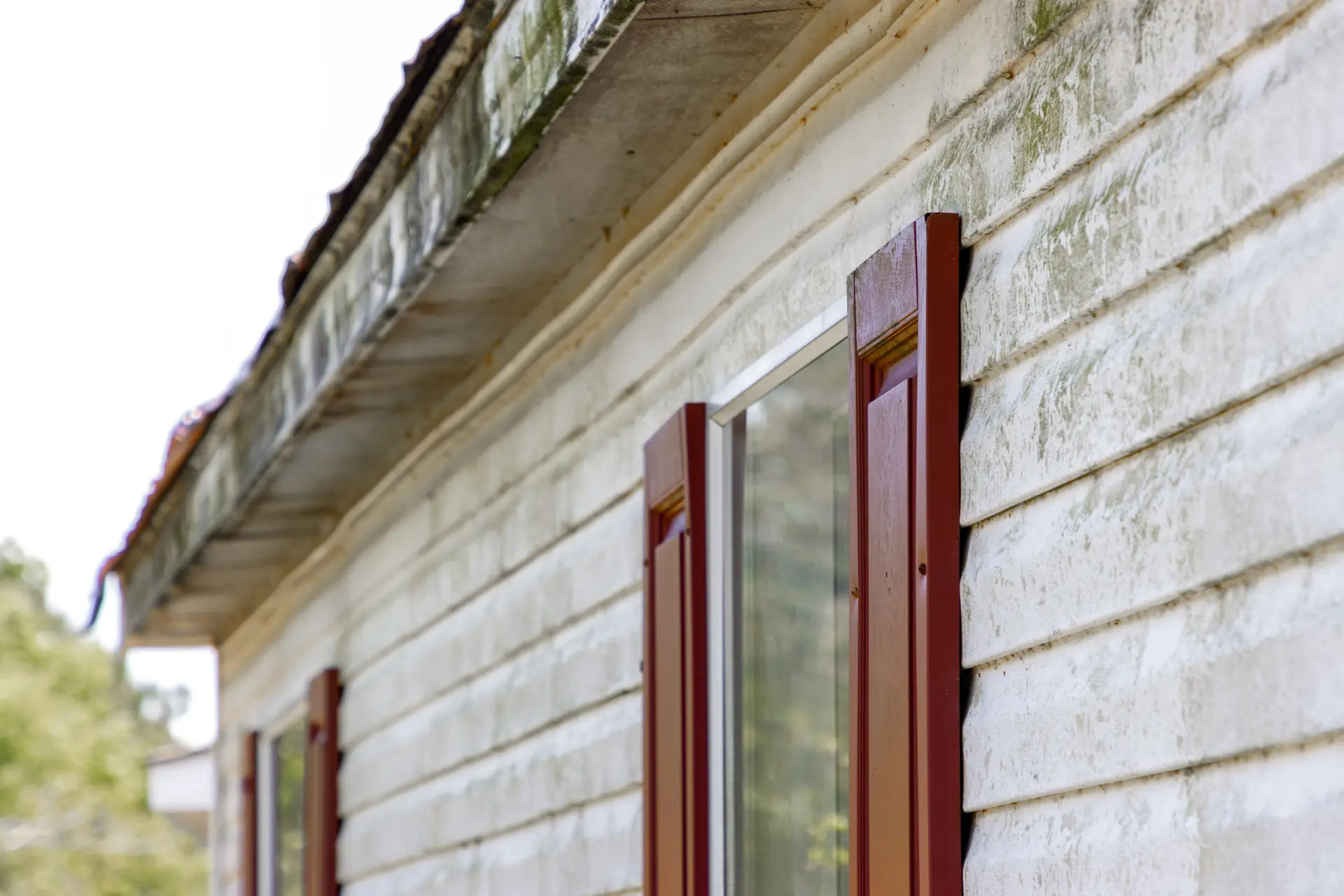
High pressure can force water behind vinyl siding, loosen panels, strip paint, damage caulking, and push moisture into wall cavities.
Soft washing is often better for house exteriors because it uses cleaning solution and low pressure. Learn more about how exterior cleaning protects paint and siding.
Concrete Damage
Concrete seems strong, but it can still be damaged. Too much pressure can etch lines into the surface, expose aggregate, or worsen weak spots.
Wood and Deck Damage
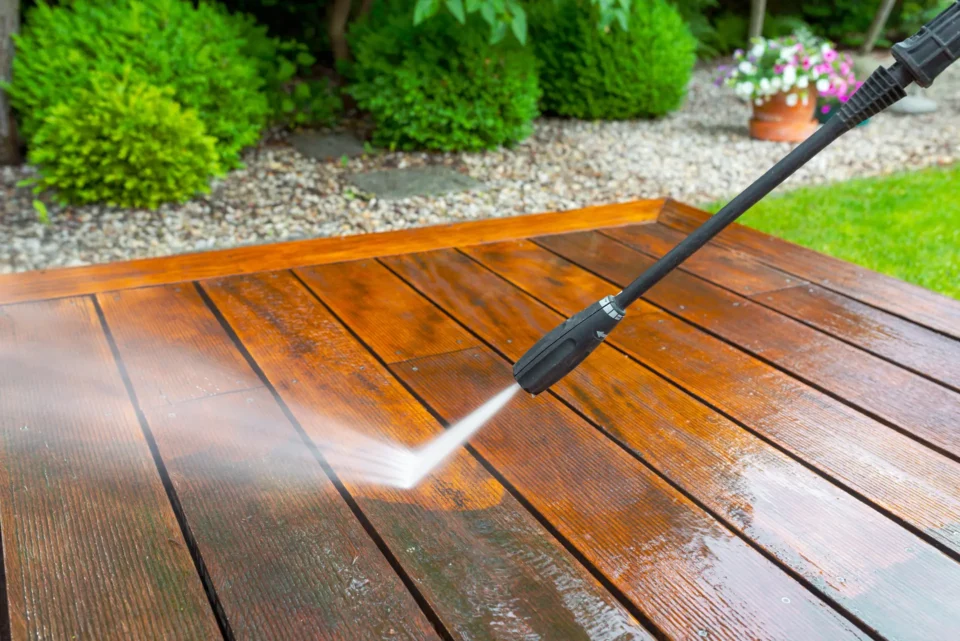
Wood can splinter, fuzz, gouge, or absorb too much water when cleaned incorrectly. A deck may look worse after DIY washing if the wand is too close. Professional deck cleaning uses techniques designed to avoid unnecessary damage.
This is where DIY vs. professional pressure washing becomes a risk decision, not just a price decision.
How Much Money Can You Save By Renting A Pressure Washer?
Renting a pressure washer may save money on small projects, but the savings depend on rental cost, supplies, project size, time, and results. If you redo the work or repair damage, DIY can cost more.
What Rental Savings Look Like
A rental may cost less than hiring a professional for one small job. However, the rented machine may be less powerful, slower, or missing the right attachments.
Hidden DIY Costs
DIY costs may include machine rental, cleaning solution, fuel, protective gear, hoses, nozzles, transportation, additional rental days, and plant protection supplies.
When Savings Disappear
Savings disappear when the job takes too long, stains do not come out, siding streaks, concrete is etched, or water enters the home.
For large homes or stained surfaces, professional pressure washing in Rock Hill, SC is often the better long-term investment.
Why Do Homeowners Hire Professional Pressure Washing Companies?
Homeowners hire professional pressure washing companies because they want safer methods, better equipment, stronger results, and less hassle. They also want someone who knows which surfaces need pressure and which need soft washing.
Professionals Use the Right Method
Not every surface should be blasted with high pressure. Siding, stucco, painted surfaces, roofs, wood, and older masonry may need lower pressure and proper solution.
Professionals choose the method based on the material.
Equipment Quality Matters
Professional equipment often cleans faster and more evenly than rental machines. Surface cleaners help avoid streaks on driveways and patios. Soft-wash systems help clean siding safely.
Better tools can create better results with less surface stress.
Professionals Protect the Property
A good technician checks water access, electrical areas, plants, doors, windows, fragile trim, furniture, and drainage before cleaning.
Does Professional Pressure Washing Last Longer Than DIY Cleaning?
Professional pressure washing can last longer than DIY cleaning when the surface is treated correctly and rinsed thoroughly. The result depends on cleaning method, solution strength, surface condition, shade, moisture, and local environment.
Better Removal of Organic Growth
Algae, mildew, and mold often need more than water pressure. If organic growth is only blasted off the surface, it can return quickly.
Professional cleaning often uses solutions designed to treat growth at the source. Learn more about the science behind soft washing and microorganism removal.
Proper Rinsing Matters
Leaving residue behind can attract dirt or discolor surfaces. Rinsing too aggressively can cause damage.
Local Conditions Affect Results
For professional pressure washing in Rock Hill, SC, warm, humid weather can encourage algae and mildew growth.
Is Pressure Washing Difficult For Beginners?
Pressure washing can be difficult for beginners because the equipment, nozzles, pressure settings, chemicals, and surface reactions take practice. It looks simple until streaks, damage, or incomplete cleaning appear.
Nozzle Choice Matters
Different nozzles create different spray angles and force. The wrong nozzle can damage a surface quickly.
A narrow tip can cut into wood or concrete. A wider tip may clean too slowly.
Distance and Movement Matter
Holding the wand too close can cause damage. Holding it too far away may not clean well.
Moving unevenly creates stripes. Stopping in one spot can leave marks.
Surface Knowledge Matters
Concrete, siding, brick, pavers, wood, vinyl, and painted trim all respond differently. A beginner may use one method everywhere, which can lead to poor results.
Safety Matters
Wet surfaces become slippery. Hoses create trip hazards. Overspray can hit windows, people, pets, cars, outlets, and landscaping.
Make Exterior Cleaning Safer And Easier
At Power Clean Pressure Washing, I help homeowners clean exterior surfaces without guesswork every season. I choose the right method for the material, whether that means soft washing siding or using controlled pressure on concrete cleaning.
If you are comparing DIY vs. professional pressure washing, I can help you decide what is safe to handle yourself and what is better left to a professional. My goal is simple. I want your home to look cleaner without unnecessary risk to your siding, concrete, plants, or property.
DIY pressure washing may save money on small, simple jobs, but it carries real risks when surfaces are delicate, stained, tall, or heavily soiled. Professional cleaning offers safer methods, better equipment, stronger stain treatment, and more consistent results. The best choice depends on your surface, skill level, available time, and tolerance for risk. For large homes, siding, driveways, decks, and stubborn buildup, professional pressure washing provides better long-term value than renting equipment and hoping the outcome is right.