

You probably don’t think about your air ducts very often.
They’re hidden behind drywall, above ceilings, under floors—quietly doing their job. When your HVAC system kicks on, cool or warm air flows through them, and life goes on.
But here’s the catch: your HVAC system is only as efficient as the pathway that delivers that air.
If the ductwork is clogged with dust, debris, or buildup, it’s like asking your lungs to breathe through a straw. The system can still function—but it works harder, runs longer, and costs more to operate.
Let’s talk about the often-overlooked connection between HVAC efficiency and clean ducts—and why what’s inside those hidden channels matters more than most homeowners realize.
How Do Clean Air Ducts Impact HVAC System Efficiency?
Think of your HVAC system as a delivery network.
The furnace or air conditioner produces conditioned air. The ductwork distributes it throughout your home. If those ducts are clean and clear, air flows smoothly and evenly.
When ducts are clean, you get:
- Consistent airflow across rooms
- Balanced temperatures throughout the house
- Reduced strain on the blower motor
- Shorter system run times
Air moves freely, which means your system doesn’t have to compensate.
Now imagine those ducts lined with thick dust buildup, pet hair, construction debris, mold growth, and insulation fragments. Airflow becomes restricted.
That restriction forces your HVAC system to:
- Run longer cycles
- Work harder to maintain thermostat settings
- Increase internal pressure
Over time, that extra effort translates into reduced efficiency.
Clean ducts support smooth airflow. Smooth airflow supports optimal performance.
It’s a simple chain reaction.
Can Dirty Ductwork Cause Higher Energy Consumption in HVAC Systems?
Short answer? Yes.
Energy consumption often rises when ductwork is compromised.
Here’s why.
When ducts are dirty or partially blocked, airflow resistance increases. Your HVAC blower motor must push harder to move air through the system.
This results in:
- Longer run times
- Higher electricity usage
- Increased wear on components
It’s similar to driving with a partially clogged air filter in your car. The engine compensates, but it burns more fuel.
Additionally, dirty ducts can contribute to uneven heating or cooling.
If certain rooms receive less airflow, homeowners may:
- Lower the thermostat further
- Raise the heat higher
- Run the system longer
That thermostat adjustment increases energy usage, even though the root cause isn’t temperature—it’s airflow.
There’s also the issue of leakage.
When buildup occurs around joints or seals, it can weaken connections over time. Combined with pressure changes, this may increase duct leakage, allowing conditioned air to escape into unconditioned spaces like attics or crawlspaces.
Escaped air equals wasted energy.
The system keeps working, but you’re not getting the full benefit.
What Role Does Duct Cleanliness Play in Indoor Air Circulation and Performance?
Air circulation isn’t just about temperature. It’s about distribution.
Your HVAC system is designed to circulate air continuously—especially when running in fan mode. Clean ducts allow that circulation to happen efficiently and evenly.
When ductwork is clean:
- Air reaches every register consistently
- Return vents pull air back effectively
- Humidity levels stabilize more easily
- Air feels fresher and less stagnant
But when ducts accumulate debris, circulation becomes uneven.
Certain areas may feel stuffy, warmer than others, dustier, and less comfortable.
Poor circulation often leads homeowners to believe their system is failing, when in reality the issue lies within the distribution network.
Duct cleanliness also impacts filtration performance.
If dust buildup accumulates inside ducts, even a high-quality air filter can’t prevent re-circulation of settled particles. Each time the system cycles on, some of that debris may be disturbed and redistributed.
This can lead to:
- Increased dust on furniture
- Allergy irritation
- Reduced indoor air quality
Performance isn’t just about producing air. It’s about delivering it cleanly and consistently.
Does Duct Buildup Reduce Heating and Cooling Effectiveness?
Absolutely.
Heating and cooling effectiveness depends on airflow volume and distribution.
Duct buildup can reduce both.
Here’s how.
1. Restricted Airflow
When dust and debris narrow the internal diameter of duct channels, airflow capacity decreases.
This results in:
- Reduced supply air reaching rooms
- Longer heating or cooling cycles
- Inconsistent comfort
The system may technically be producing the correct temperature, but it’s not reaching you efficiently.
2. Increased Static Pressure
Static pressure measures resistance within ductwork.
Higher resistance strains:
- Blower motors
- Fans
- Internal components
Excessive static pressure shortens equipment lifespan and reduces overall performance.
3. Reduced Heat Exchange Efficiency
In heating mode, airflow across the heat exchanger must remain balanced. Restricted ducts can disrupt that balance.
In cooling mode, evaporator coils rely on proper airflow to remove heat effectively.
If airflow is compromised, efficiency drops.
4. Strain on System Components
When duct buildup forces longer run times, components experience:
- More wear and tear
- Higher operating temperatures
- Increased breakdown risk
The system may still function—but at reduced effectiveness.
Heating and cooling aren’t just about output temperature. They’re about how efficiently that temperature is delivered.
The Hidden Cost of Ignoring Duct Cleanliness
It’s easy to overlook ducts because they’re out of sight.
But neglected ductwork can contribute to:
- Higher utility bills
- Increased repair frequency
- Shortened HVAC lifespan
- Reduced indoor comfort
In some cases, dirty ducts may even mask underlying issues like poor insulation, air leaks, and mold growth. Routine inspection and cleaning help maintain system integrity.
That doesn’t mean ducts need constant attention. But periodic assessment ensures buildup doesn’t reach problematic levels.
Homes with pets, recent renovations, high dust environments, and allergy-sensitive occupants may benefit from more frequent evaluations.
Efficiency is a System-Wide Effort
Improving HVAC efficiency isn’t just about upgrading equipment.
You can install the most advanced, high-SEER system available—but if the ductwork is compromised, efficiency gains shrink.
Efficiency depends on:
- Clean filters
- Proper duct design
- Sealed joints
- Clear airflow pathways
Every component matters.
Clean ducts are part of that equation.
Signs Your Ducts May Be Affecting HVAC Efficiency
Not sure whether duct buildup is impacting performance?
Here are a few indicators:
- Uneven temperatures between rooms
- Visible dust blowing from vents
- Increased allergy symptoms indoors
- Higher-than-usual energy bills
- System running longer than expected
While these signs don’t automatically confirm dirty ducts, they’re worth investigating.
Professional inspection can determine whether cleaning is appropriate or if other adjustments are needed.
Clear Pathways Mean Clear Performance
Your HVAC system works hard year-round.
It heats in winter. It cools in summer. It manages humidity. It circulates air.
But its efficiency depends on clean pathways.
Ducts are like the arteries of your home’s climate system. When they’re clear, everything flows smoothly.
When they’re clogged, performance suffers quietly—and costs rise gradually.
Maintaining clean ductwork isn’t just about cleanliness. It’s about preserving system health.
Restore Airflow and Efficiency with Power Clean Pressure Washing
If you suspect your ductwork or ventilation pathways may be affecting HVAC performance, professional cleaning can make a measurable difference.
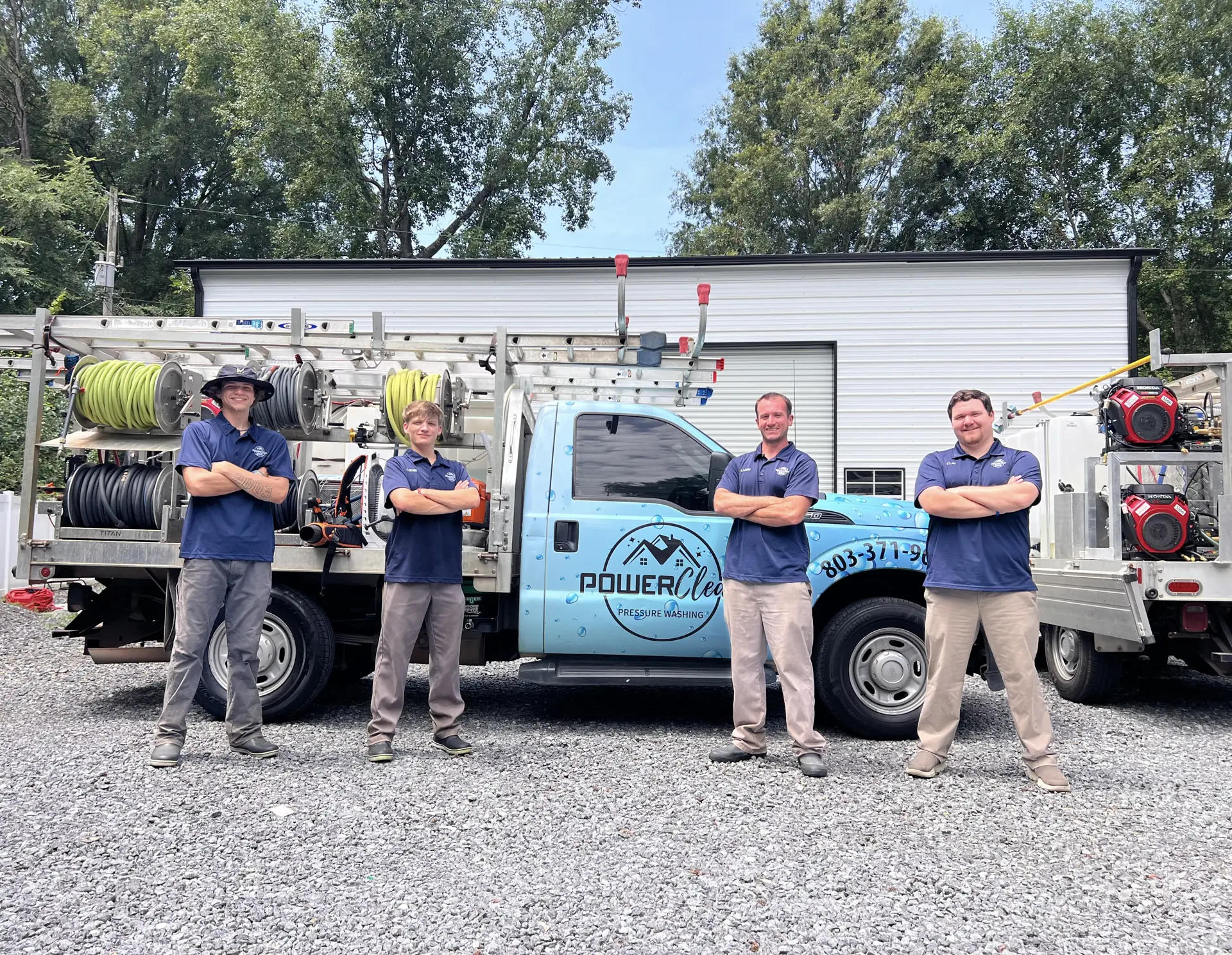
At Power Clean Pressure Washing, we specialize in thorough cleaning services that support better airflow, improved efficiency, and cleaner indoor environments. Our team helps homeowners address buildup that may be quietly impacting comfort and energy usage.
Don’t let hidden debris slow your system down. Let’s clear the way for better performance and cleaner air.