
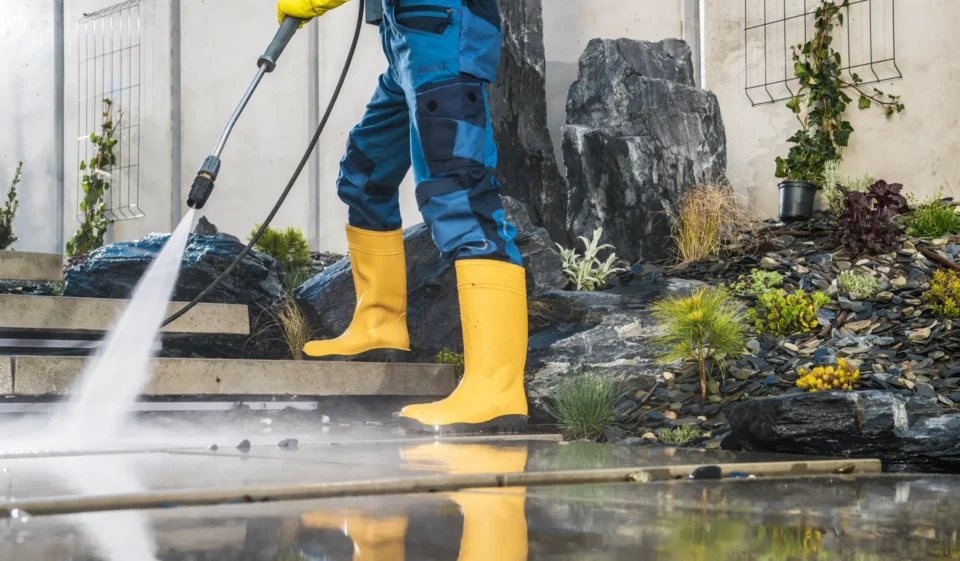
Dirty siding, stained concrete, algae growth, and faded surfaces are clear signs your property may need professional pressure washing services. Scheduling cleaning early can protect exterior materials, improve curb appeal, and prevent buildup from becoming harder to remove.
A neglected exterior can make a well-maintained property look older than it is. Moisture, traffic residue, mildew, pollen, and grime settle gradually, so the decline is easy to miss.
These signs show when cleaning should become a priority and why prompt attention can preserve value, safety, appearance, and long-term surface condition overall.
What Are The Signs That A House Needs Pressure Washing?
The most obvious signs include dark siding, green growth, dirty walkways, oil-stained concrete, and dull outdoor surfaces.
1. Your Siding Looks Dull Or Streaked
Siding naturally collects pollen, dust, road film, insect residue, and airborne dirt. Over time, the original color looks muted, and vertical streaks may appear beneath gutters, windows, and roof edges.
These streaks often indicate water runoff carrying dirt across the surface.
2. Green Or Black Growth Is Spreading
Green patches often suggest algae. Black spotting may be mildew, mold, or deeply embedded organic growth. These areas commonly appear on shaded walls, north-facing siding, fences, and damp walkways.
3. Your Driveway Has Noticeable Stains
Tire marks, oil spots, rust, dirt, and leaf stains can make concrete look neglected. Professional concrete cleaning can help address buildup on driveways, walkways, and other hard surfaces.
4. Outdoor Areas Feel Slippery
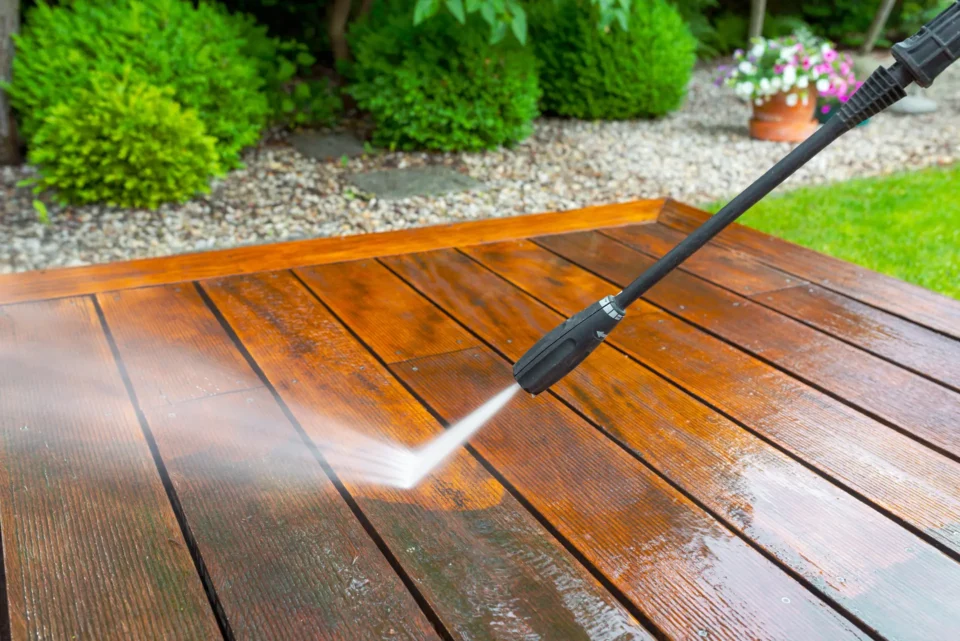
Patios, steps, decks, and shaded paths may develop a slick film. Slippery surfaces create a safety concern, especially after rain.
5. The Property Looks Older Than It Should
When several exterior areas appear faded or stained, the entire property can look worn. Regular exterior cleaning can help maintain a cleaner, more consistent appearance across multiple surfaces.
Can Mold And Algae Damage My Home’s Exterior?
Mold and algae can damage exterior materials when they remain in place for long periods. They hold moisture against siding, wood, roofing edges, masonry, and painted surfaces.
Moisture is the main concern. Damp surfaces dry more slowly, which can contribute to paint failure, wood decay, staining, and premature wear.
Mold may also spread into cracks, seams, and shaded areas where moisture lingers.
Why Growth Should Be Removed Early
Early removal protects the surface and limits how far the contamination spreads.
Using the correct pressure matters. Too much force can damage siding, loosen paint, scar wood, and drive water behind exterior materials. Experienced technicians adjust pressure, water flow, and cleaning solutions based on the surface. They also protect nearby landscaping, windows, doors, fixtures, and electrical components during the cleaning process.
For delicate exterior materials, soft washing may provide a safer low-pressure approach for removing organic growth without relying on excessive force.
Does A Dirty Driveway Lower Curb Appeal?
A dirty driveway can significantly lower curb appeal because it occupies a large, highly visible part of the property. Stains, dark patches, weeds, and tire marks often become the first things visitors notice.
Common Driveway Problems
Oil, rust, leaf tannins, dirt, mildew, and vehicle residue can settle into concrete. Because concrete is porous, these materials may soak below the surface.
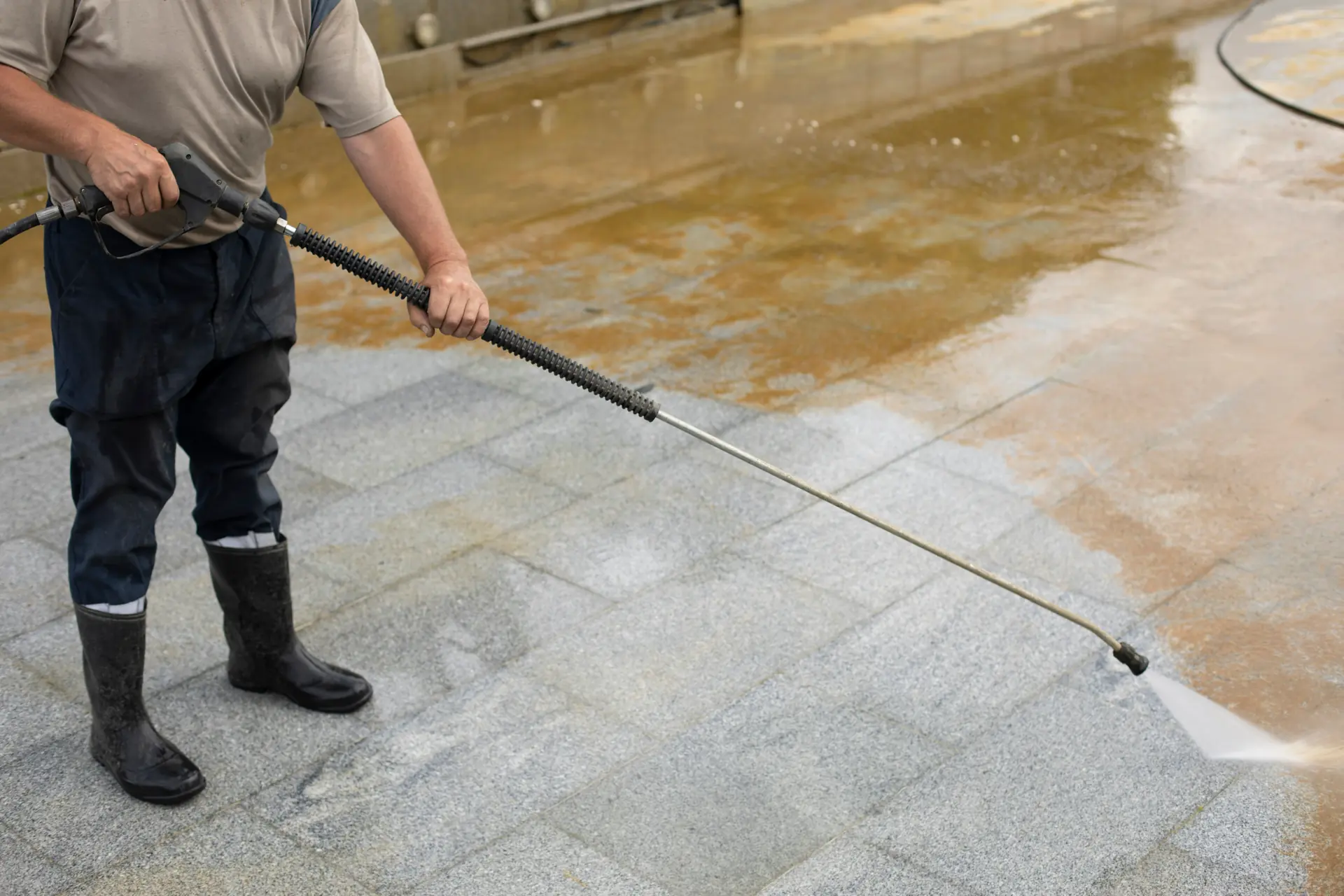
Professional equipment can lift buildup more evenly than a standard household washer. Surface cleaners also reduce streaks and patchy results. A consistent cleaning pattern prevents obvious lines and helps the driveway dry with a more balanced appearance.
Dirty driveways can also affect how a property is perceived, making driveway appearance and property value closely connected when exterior presentation matters.
When Should Stains Be Removed From Concrete Surfaces?
Concrete stains should be removed as soon as they become noticeable. Fresh stains are usually easier to treat than marks that have been exposed to heat, moisture, and repeated traffic.
Oil can penetrate deeper over time. Rust may spread around metal furniture, irrigation points, or drainage areas. Organic stains from leaves and soil can darken after repeated rain.
Do Not Wait For Stains To Become Permanent
Waiting can allow stains to bond with the concrete.
The correct cleaning method depends on the stain. Oil, rust, mold, paint, and organic residue require different products and techniques.
A professional assessment helps avoid damage caused by harsh chemicals or excessive pressure.
Property owners using regular property cleaning services can schedule concrete care before stains become deeply embedded. Routine service is especially useful for rental properties, commercial entrances, and homes with heavily used outdoor areas. It also creates a predictable maintenance schedule, making exterior care easier to budget and coordinate throughout the year more effectively each season.
Can Pressure Washing Help Prevent Property Damage?
Pressure washing can help prevent property damage by removing substances that trap moisture, weaken finishes, or make surfaces unsafe.
These contaminants can wear down coatings and create conditions for algae, mildew, and mold.
Cleaning Supports Preventive Maintenance
Regular cleaning makes it easier to inspect the property. Cracks, loose paint, damaged mortar, failing caulk, and drainage problems are easier to see on a clean surface.
Removing grime can also extend the useful life of paint, sealants, and exterior finishes. Proper exterior cleaning can help protect paint and siding by reducing the buildup that contributes to premature wear.
However, prevention depends on proper technique. High pressure is not suitable for every material. Soft washing may be safer for siding, roofing areas, painted surfaces, and certain masonry.
Professional cleaners match the method to the surface, which reduces the risk of etching, splintering, water intrusion, or finish damage. This careful approach protects both the material and the surrounding structure.
Is Discoloration On Siding A Sign Of Mold Growth?
Discoloration on siding can be a sign of mold growth, but it may also come from algae, mildew, pollen, dirt, oxidation, or water runoff.
Green buildup often points to algae. Black spotting may suggest mildew or mold. Brown streaks can come from rust, roof runoff, or decomposing organic material.
White chalky residue may be oxidation, especially on older vinyl or painted metal.
Why Proper Identification Matters
Different causes require different treatments. Applying heavy pressure to oxidation can leave uneven marks. Using the wrong chemical on painted siding may cause fading or damage.
Mold and mildew should be treated with suitable cleaning solutions, not pressure alone. The solution helps break down the growth so it can be rinsed safely.
Check gutters, downspouts, landscaping, roof runoff, and shaded areas.
Homeowners seeking professional pressure washing in Rock Hill, SC should choose a provider familiar with local humidity, pollen, and seasonal growth patterns.
How Long Should You Wait Before Scheduling Professional Cleaning?
You should not wait once stains, algae, slippery areas, or heavy discoloration become visible. Early cleaning is usually easier, safer, and more effective.
Most properties benefit from exterior cleaning every one to two years, but timing depends on shade, tree cover, traffic, humidity, surface type, and exposure. Annual inspections can help owners decide whether full cleaning or targeted treatment is needed.
Properties near busy roads may collect grime faster. Homes surrounded by trees may develop pollen, leaf stains, and algae more often.
Schedule Sooner When Conditions Are Worsening
Book cleaning sooner if growth is spreading, surfaces feel slick, concrete stains are darkening, or siding no longer responds to light rinsing.
You should also schedule service before painting, sealing, listing a property for sale, or hosting an important event. Clean surfaces improve preparation and appearance.
Key Takeaways
Visible algae, dark siding, stained concrete, slippery walkways, and a generally dull exterior are strong signs that professional cleaning is needed.
Acting early helps protect surfaces, improve curb appeal, reveal hidden maintenance issues, and reduce long-term wear. Mold, mildew, oxidation, and organic stains require different treatments, so correct identification matters. Avoid using excessive pressure on delicate materials.
A professional service can match the cleaning method to each surface. Schedule cleaning when buildup appears rather than waiting for permanent staining, safety concerns, or costly exterior repairs later on unnecessarily over time.
Restore A Cleaner, Safer Exterior With Power Clean Pressure Washing
Power Clean Pressure Washing helps property owners remove buildup before it affects appearance, safety, or surface condition. The team evaluates siding, concrete, walkways, patios, and other exterior areas before selecting the appropriate cleaning method.
A professional approach reduces damage risks and creates even results. If your property shows algae, stains, discoloration, or slippery buildup, scheduling service now can prevent the problem from becoming harder to manage.