


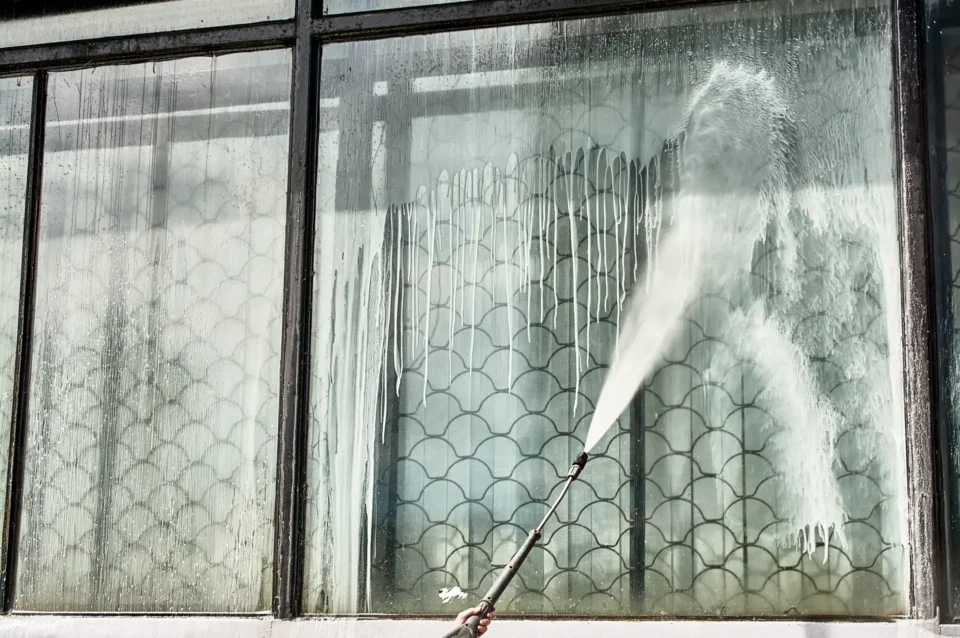
The best time for window cleaning usually depends on weather conditions, seasonal debris, pollen levels, and how quickly windows accumulate dirt throughout the year. Most homeowners schedule professional cleaning during spring and fall because moderate temperatures and stable weather help produce longer-lasting results.
Regular window washing services improve curb appeal, indoor natural light, and glass longevity. Understanding how climate and seasonal conditions affect window cleanliness can help homeowners choose the most effective cleaning schedule for their property.
What Season Is Ideal For Professional Window Cleaning?
Spring and fall are commonly considered the most effective seasons for professional window cleaning.
Spring Removes Winter Buildup
Spring cleaning helps remove dirt, pollen, salt residue, and debris left behind after winter weather.
Windows often collect:
- Dust
- Water spots
- Tree pollen
- Road residue
- Moisture stains
Professional cleaning restores visibility and improves exterior appearance after colder months.
Fall Prepares Windows for Winter
Fall window cleaning removes summer dirt accumulation before colder weather arrives.
Clean windows entering winter may help maximize natural sunlight and improve overall appearance during the holiday season.
Moderate Temperatures Improve Results
Spring and fall temperatures allow cleaning solutions to work effectively without drying too quickly on the glass.
This reduces streaking and water spotting.
Summer Cleaning Still Has Benefits
Summer remains a suitable time for window washing services, especially for homes exposed to:
- Heavy pollen
- Coastal moisture
- Construction dust
- Tree sap
- Frequent storms
Scheduling flexibility often matters more than season alone.
Winter Cleaning Depends on Conditions
Window cleaning may still be possible during mild winter conditions, although freezing temperatures can create safety and performance challenges.
Professional assessment helps determine suitable cleaning conditions.
Is It Better To Clean Windows In Spring Or Fall?
Both seasons offer advantages depending on environmental conditions and homeowner priorities.
Benefits of Spring Window Cleaning
Spring cleaning helps remove debris accumulated during winter.
This often includes:
- Pollen buildup
- Rain spotting
- Dust accumulation
- Residue from seasonal storms
Spring cleaning also improves visibility and natural indoor lighting.
Benefits of Fall Window Cleaning
Fall cleaning prepares windows before winter weather limits cleaning opportunities.
Many homeowners schedule cleaning during fall to maintain a cleaner appearance throughout the colder season.
Seasonal Allergens Influence Timing
Pollen-heavy areas may require more frequent spring cleaning because airborne particles quickly settle on glass surfaces.
Properties near trees often experience faster buildup.
Personal Preferences Matter
Some homeowners prefer cleaning before outdoor entertaining seasons, while others prioritize post-summer cleanup.
The ideal schedule depends on property location, environmental exposure, and maintenance goals.
Combining Both Seasons Often Works Best
Many homeowners schedule cleanings twice annually during spring and fall for more consistent results.
This approach supports better long-term window maintenance and complements broader exterior cleaning efforts around the property.
For homeowners interested in reducing harsh chemical use during either seasonal cleaning, eco-friendly window washing services can provide another option while still targeting common buildup such as pollen, dirt, and water spots.
Homeowners considering window washing in Fort Mill, SC often benefit from seasonal scheduling because of changing pollen levels and regional weather conditions.
Can Weather Conditions Affect Window Cleaning Results?
Weather significantly affects cleaning performance and result longevity.
Direct Sunlight Can Cause Streaking
Cleaning windows in intense direct sunlight may cause water and cleaning solutions to dry too quickly.
Rapid evaporation often leaves streaks or residue behind.
Wind Creates Additional Challenges
Strong winds may blow dust, pollen, and debris onto freshly cleaned windows.
Wind also affects ladder safety and overall cleaning efficiency.
Humidity Impacts Drying Times
High humidity may slow drying and increase spotting risks in some situations.
Professional cleaners adjust techniques based on environmental conditions.
Storm Activity Reduces Result Longevity
Heavy storms can quickly deposit dirt, rain spots, and debris back onto glass surfaces.
Homes near construction zones or heavily traveled roads may experience faster re-soiling after storms.
Mild Conditions Usually Produce Better Results
Moderate temperatures, low wind, and stable weather generally provide the best cleaning environment.
Professional scheduling often considers forecast conditions carefully.
The best time for window cleaning often depends more on weather stability than season alone.
Should You Avoid Window Washing During Rainy Seasons?
Rain itself does not always ruin freshly cleaned windows, but timing still matters.
Rain Does Not Automatically Dirty Clean Windows
Professionally cleaned windows often resist rain spotting better because dirt and residue have already been removed.
Rainwater alone usually does not create major staining on clean glass.
Dirt and Pollen Cause Most Spotting
Window spotting often occurs when rain mixes with:
- Dust
- Pollen
- Air pollution
- Tree sap
- Surface contaminants
Clean windows typically remain clearer after rainfall than dirty windows.
Heavy Storms Can Reduce Cleaning Longevity
Frequent storms may shorten how long windows remain spotless, especially in areas with heavy debris exposure.
This may require more frequent maintenance scheduling.
Safety Conditions Matter Most
Severe weather creates safety concerns for technicians working on ladders or elevated surfaces.
Professional companies may reschedule during unsafe weather conditions.
Rainy Climates May Require Flexible Scheduling
Homes located in humid or rainy regions often benefit from customized maintenance schedules based on local climate patterns.
Professional recommendations help optimize cleaning frequency.
Reliable window washing services often adjust scheduling around weather forecasts to improve overall cleaning results and safety.
How Often Should Windows Be Cleaned Throughout The Year?
Window cleaning frequency depends on environmental exposure and homeowner preferences.
Twice-Yearly Cleaning Is Common
Many residential properties benefit from professional cleaning every six months.
Spring and fall scheduling often provides balanced maintenance.
Some Homes Need More Frequent Cleaning
Certain conditions increase cleaning needs, including:
- Coastal salt exposure
- Heavy pollen
- Construction dust
- Nearby trees
- High-traffic roads
- Frequent storms
These homes may benefit from quarterly service.
Commercial Properties Often Require More Frequent Cleaning
Businesses often clean windows more regularly to maintain professional appearance and visibility.
Storefronts and office buildings may schedule monthly or bi-monthly service. Businesses can also benefit from routine commercial pressure washing to maintain a professional exterior.
Interior Windows Need Attention Too
Interior glass accumulates fingerprints, dust, cooking residue, and pet-related smudges over time.
Routine interior cleaning improves overall appearance and indoor light quality.
Preventive Maintenance Helps Protect Glass
Regular cleaning helps reduce buildup that may eventually damage glass surfaces or window frames.
Mineral deposits and environmental contaminants can become harder to remove over time.
A customized maintenance plan often provides the most effective long-term results for window washing in Fort Mill, SC homes and businesses.
Does Temperature Impact How Well Windows Get Cleaned?
Temperature directly affects cleaning solution performance and drying speed.
Extreme Heat Can Reduce Cleaning Quality
Hot glass surfaces may cause cleaning products to dry too quickly before technicians can remove residue completely.
This often increases streaking risk.
Freezing Temperatures Create Challenges
Cold weather may cause water and cleaning solutions to freeze during application.
Freezing conditions can also create slippery surfaces and equipment hazards.
Moderate Temperatures Improve Efficiency
Mild weather generally supports more controlled drying and cleaner finishes.
Most professional cleaners prefer moderate temperature ranges for optimal results.
Surface Temperature Matters More Than Air Temperature
Glass exposed to direct sunlight may become much hotter than surrounding air temperatures.
Professional cleaners often adjust work schedules based on sun exposure patterns.
Professional Techniques Adapt to Conditions
Experienced technicians use specialized tools and techniques to manage varying weather and temperature conditions effectively.
This helps improve consistency and safety throughout the cleaning process.
The best time for window cleaning often combines moderate temperatures with low wind and stable weather conditions for longer-lasting clarity.
Additional Benefits of Routine Window Cleaning
Professional window cleaning offers more than cosmetic improvements.
Improved Natural Light
Clean windows allow more sunlight into interior spaces, improving brightness and visibility. As discussed in Why Window Washing Is the Secret to Transforming Your Home’s Natural Light, cleaner glass can significantly improve indoor illumination.
There are also energy-efficient window cleaning benefits for homes to consider. Keeping glass free of heavy grime and residue helps homeowners make better use of available daylight, which can reduce the need for artificial lighting during brighter parts of the day.
Better Curb Appeal
Spotless windows improve overall property appearance and create a more polished exterior. Combined with services like house washing, clean windows contribute to a stronger overall curb appeal.
Early Detection of Window Problems
Routine cleaning may help identify:
- Broken seals
- Cracked glass
- Frame deterioration
- Moisture damage
Early detection supports faster repairs.
Longer Window Lifespan
Removing dirt, hard water deposits, and environmental contaminants may help preserve glass surfaces and window materials over time.
Preventive maintenance supports long-term durability.
Key Takeaways
The best time for window cleaning usually occurs during spring and fall when moderate temperatures and stable weather improve cleaning performance and result longevity. Weather conditions, pollen, humidity, and environmental exposure all affect scheduling needs. Routine window washing services help improve appearance, natural light, and long-term window maintenance throughout the year.
Keep Your Windows Looking Their Best Year-Round
At Power Clean Pressure Washing, we help homeowners maintain cleaner, brighter windows with professional exterior cleaning solutions tailored to seasonal conditions and property needs. We understand how weather, pollen, and environmental buildup affect glass clarity throughout the year.
Whether you need routine maintenance or seasonal window washing in Fort Mill, SC, our team is committed to delivering dependable service, professional results, and safer cleaning solutions that help protect your property’s appearance and long-term value.