
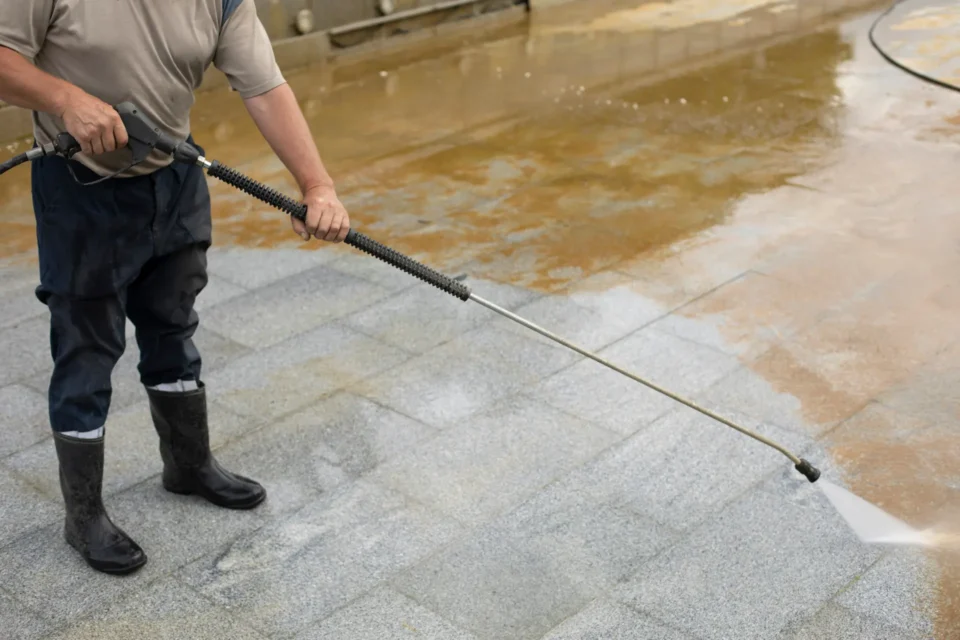
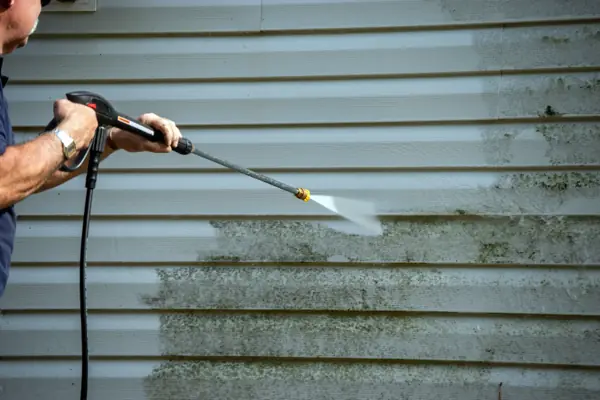
If you’re thinking about cleaning your home’s exterior, you’ve probably asked: what can actually be cleaned with pressure washing? The short answer is that many surfaces can be safely cleaned, but only when the right techniques and pressure levels are used.
Not all materials are created equal. While some surfaces can handle high pressure, others require a softer approach to avoid damage. Understanding safe pressure washing surfaces is key to getting great results without costly mistakes.
Let’s break down exactly what can be pressure washed, what should be avoided, and how to do it safely.
Can You Pressure Wash Siding, Brick, and Concrete Safely?
Yes, these are some of the most common safe pressure washing surfaces, but each requires a slightly different approach.
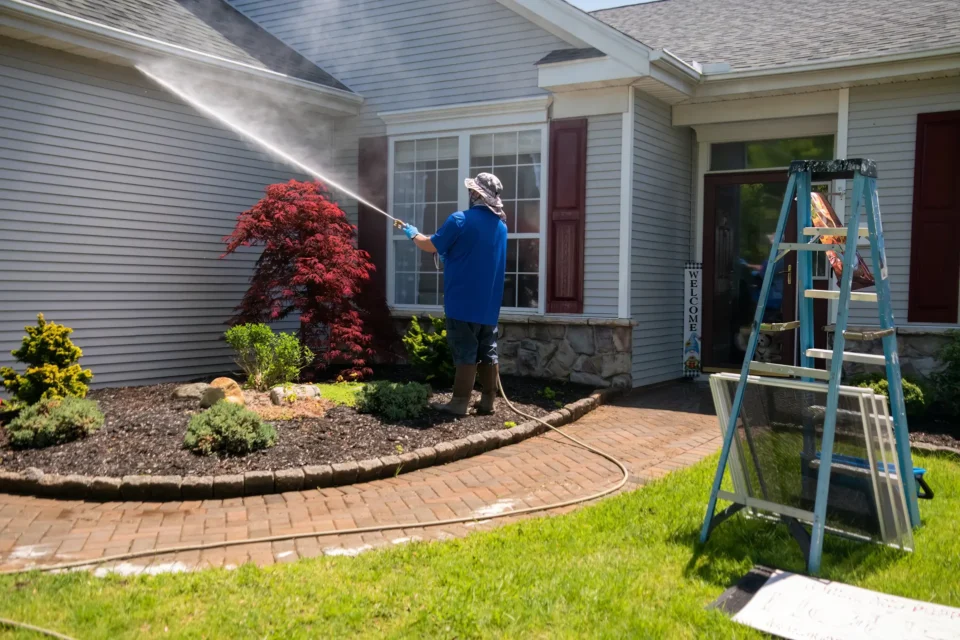
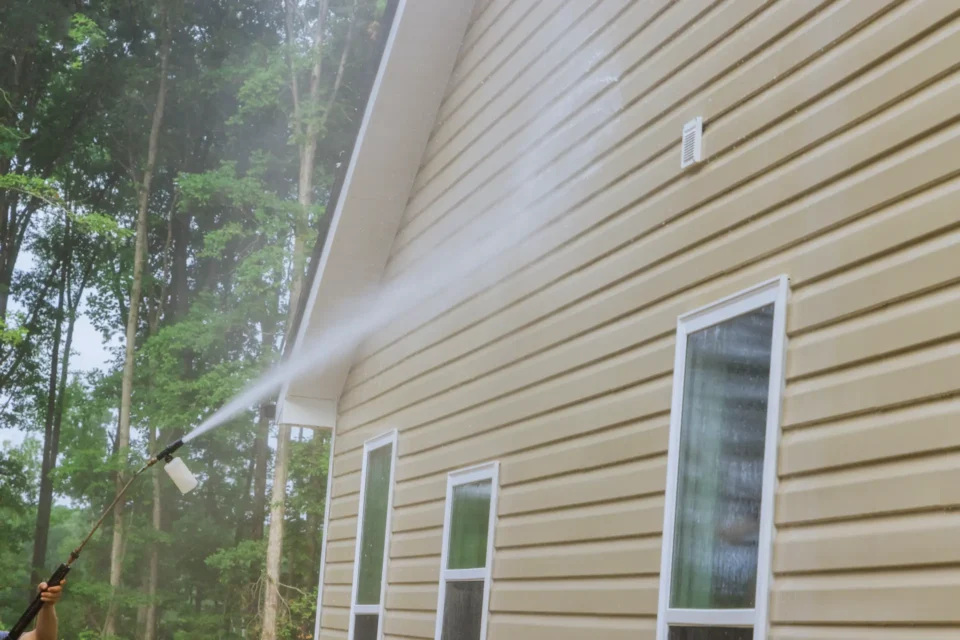
Siding
Most siding types, including vinyl and fiber cement, can be cleaned with pressure washing services when done correctly.
Best Practices
- Use moderate pressure
- Spray at a downward angle
- Avoid forcing water behind panels
Siding is one of the most popular surfaces when it comes to what can be pressure washed, but improper technique can lead to moisture damage.
Brick
Brick is durable, but still needs careful handling.
What to Watch For
- Older brick and mortar can be fragile
- High pressure can erode joints
Safe Approach
- Use lower pressure
- Consider soft washing for delicate areas
Brick can absolutely be included in safe pressure washing surfaces, but condition matters.
Concrete
Concrete is one of the toughest materials and handles pressure well.
Ideal for Pressure Washing
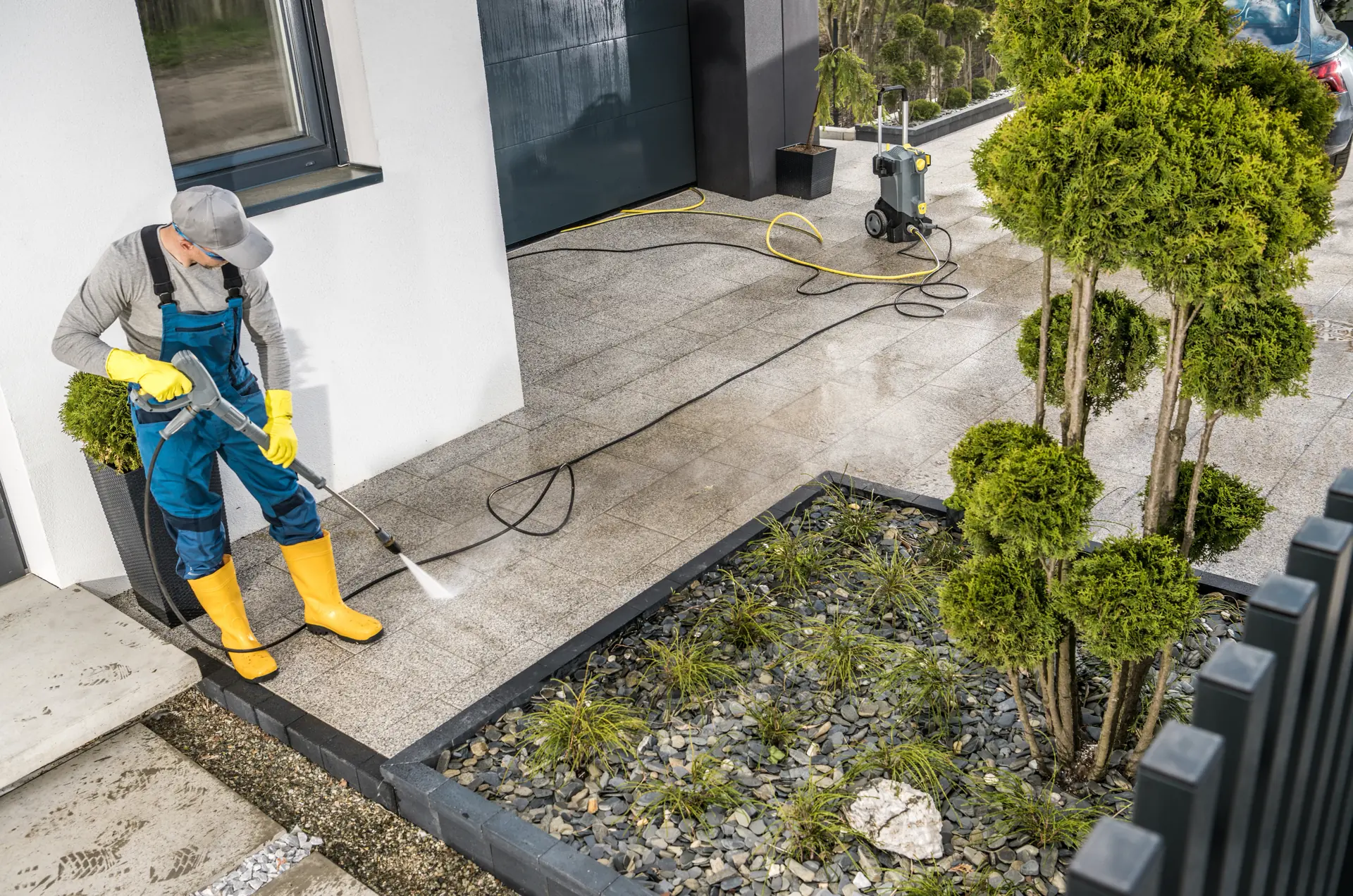
- Driveways
- Sidewalks
- Patios
Benefits
- Removes oil stains
- Clears dirt and grime
- Restores appearance
Concrete is one of the easiest examples of what can be pressure washed safely with higher PSI.
Is It Safe to Pressure Wash Wood Decks and Fences?
Yes, but wood requires a much gentler approach.
Why Wood is Sensitive
Wood is softer than concrete or brick, which means:
- High pressure can gouge the surface
- Improper cleaning can splinter the wood
Safe Cleaning Methods
For wood decks and fences:
- Use low to medium pressure
- Keep the nozzle at a safe distance
- Follow the grain of the wood
When to Use Soft Washing
In many cases, Pressure Washing Services will use soft washing instead of high pressure to:
- Protect the wood
- Achieve a more even clean
Wood is part of safe pressure washing surfaces, but only with proper technique.
What Surfaces Should Never Be Pressure Washed?
Not everything should be cleaned with high pressure.
Surfaces to Avoid
Some surfaces are too delicate, including:
- Asphalt shingles
- Old or damaged siding
- Painted surfaces with peeling paint
- Electrical panels or outlets
Why These Surfaces are Risky
Using high pressure on these materials can:
- Cause structural damage
- Remove protective coatings
- Lead to water intrusion
Better Alternatives
For these areas, professionals often use:
- Soft washing
- Specialized cleaning solutions
Knowing what NOT to include in what can be pressure washed is just as important as knowing what can.
Can Roofs Be Pressure Washed Without Damage?
Technically yes, but it’s usually not recommended.
The Problem with High Pressure on Roofs
Using high pressure on roofing materials can:
- Strip away protective granules
- Shorten the lifespan of shingles
- Cause leaks
The Safer Option: Soft Washing
Professional Pressure Washing Services typically use:
- Low-pressure cleaning
- Specialized detergents
When Roof Cleaning is Safe
Roofs can be cleaned safely when:
- The correct method is used
- Pressure is kept low
- Proper techniques are applied
While roofs fall under safe pressure washing surfaces, they require a specialized approach. This is also why understanding the science of pressure washing and the role of lower-pressure methods matters before cleaning more delicate materials.
Is Pressure Washing Safe For Windows and Doors?
Windows and doors can be cleaned, but caution is required.
Risks to Windows
High pressure can:
- Crack glass
- Damage seals
- Force water inside
Risks to Doors
Pressure washing doors can:
- Damage paint or finishes
- Push water into frames
Safe Cleaning Tips
When cleaning windows and doors:
- Use low pressure
- Maintain a safe distance
- Avoid direct high-pressure spray
Professional pressure washing services in Rock Hill, SC know how to handle these areas without causing damage.
What Psi is Safe For Different Surfaces?
PSI (pounds per square inch) determines how powerful your pressure washer is. Choosing the right PSI is critical for safe pressure washing surfaces.
Recommended PSI Levels
- Wood: 500–1,200 PSI
- Siding: 1,000–1,500 PSI
- Brick: 1,500–2,500 PSI
- Concrete: 2,500–3,000+ PSI
Why PSI Matters
Using the wrong PSI can:
- Damage surfaces
- Reduce cleaning effectiveness
- Create uneven results
Professional Advantage
Experienced providers of pressure washing services in Rock Hill, SC adjust PSI based on:
- Surface type
- Condition
- Cleaning needs
This ensures safe and effective results every time.
Know What to Clean and How to Clean It Right
Understanding what can be pressure washed and how to do it safely is essential for protecting your home. From siding and concrete to wood and brick, many surfaces can benefit from proper cleaning, but only when the right pressure and techniques are used.
Using too much pressure or targeting the wrong materials can lead to costly damage. That’s why knowing safe pressure washing surfaces and when to use softer methods is key to getting the best results. For example, older painted exteriors may need extra caution because the EPA’s lead-safe renovation guidance warns that disturbing paint in pre-1978 homes can create hazardous lead dust.
Protect Your Home with Expert Cleaning Solutions
Keeping your home’s exterior clean isn’t just about appearance, it’s also about protecting the surfaces over time. Different materials need different care, especially when dealing with stains, buildup, or regular maintenance.
At Power Clean Pressure Washing, we specialize in professional pressure washing Services in Rock Hill, SC that safely and effectively clean your home’s exterior.
Whether you’re dealing with stubborn stains, buildup, or routine maintenance, our team knows exactly how to handle every surface with care. If you want to understand why lower-pressure methods are often the safer choice for delicate materials, our blog on how microorganisms react to low-pressure treatments offers helpful insight.