
When Can You Use Your Driveway After Pressure Washing?
Just had your driveway pressure washed and wondering when you can use it again? That’s a common question, especially when you want to park your car or walk on it right away.
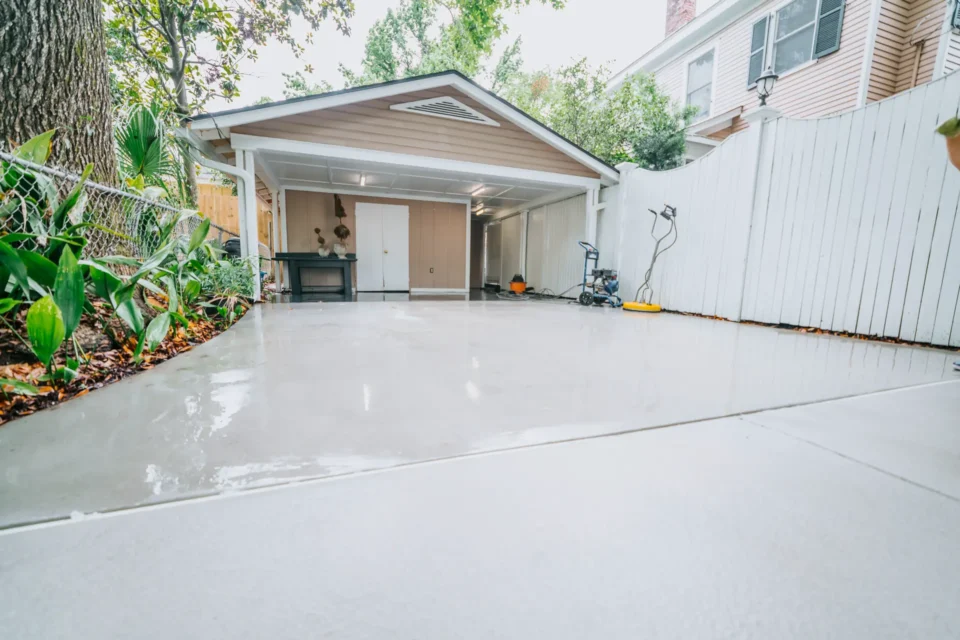
While professional pressure washing gives your driveway a fresh, clean look, it also leaves the surface wet for a while. How long it takes to dry depends on a few factors like weather, sunlight, and the material of your driveway.
Knowing when it’s safe to use again can help you avoid marks, stains, or undoing that clean finish. Let’s break down what you need to know so you can enjoy your clean driveway without any guesswork.
So, How Long Should You Wait?
The waiting time depends on how you plan to use the driveway.
- Foot traffic: 2 to 6 hours
- Light use (bikes, small items): 6 to 12 hours
- Vehicles: 24 to 48 hours
Even if the surface looks dry, moisture can still be trapped in the pores of concrete or asphalt. Using it too soon, especially with heavy weight, can lead to marks, stains, or surface wear.
A good rule is simple: if you’re unsure, wait longer. It’s always better than risking damage.
Can You Walk on a Driveway Right After Pressure Washing?
Not immediately. You can usually walk on your driveway within a few hours, but not right away.
Why You Should Wait:
- The surface is still wet and slippery
- Dirt and residue may still be settling
- You can leave footprints or marks on damp concrete
Pro Tip:
If you need to walk across it sooner, wear clean, soft-soled shoes and avoid dragging anything across the surface.
How Soon Can You Park a Car on a Pressure-Washed Driveway?
Parking too soon is one of the most common mistakes homeowners make.
Recommended Waiting Time:
- At least 24 hours
- 48 hours if humidity is high or weather is cool
Why Waiting Matters:
- Tires can leave marks on damp concrete
- Moisture trapped underneath can weaken the surface
- Oil or dirt from your vehicle can stick more easily
If your driveway was also treated with cleaning solutions, giving it extra time ensures everything has fully settled and dried. This is especially important since surfaces like driveways can absorb moisture deeper than expected.
How Long Does It Take for a Driveway to Dry After Pressure Washing?
Drying time can vary, but here’s a general idea:
- Concrete driveway: 12 to 24 hours
- Asphalt driveway: 24 to 48 hours
- Paver driveway: 24 hours (longer if sand joints are wet)
Keep in mind that “surface dry” doesn’t always mean “fully dry.” The deeper layers can still hold moisture, especially after a deep clean. This is why many homeowners rely on professional concrete cleaning services for proper results and drying guidance.
What Factors Affect Drying Time?
1. Weather Conditions
Sunny, warm days help your driveway dry much faster. Cloudy or rainy weather slows everything down.
2. Humidity Levels
High humidity means moisture stays in the air longer, which delays evaporation.
3. Surface Material
- Concrete dries faster than asphalt
- Pavers may hold moisture between joints
4. Shade vs. Sunlight
Driveways in direct sunlight dry quicker than those shaded by trees or buildings.
5. Airflow
A breezy day can speed up drying, while still air can slow it down.
6. Cleaning Method Used
If detergents or chemicals were used, the surface may take longer to fully dry compared to water-only cleaning. This ties into the broader benefits of professional exterior cleaning, where proper techniques help ensure safe and effective results.
Do You Need to Seal Your Driveway After Pressure Washing?
Short Answer: It’s not required, but highly recommended
Sealing your driveway after pressure washing helps protect the surface and keeps it looking clean longer. In fact, many homeowners consider it part of a long-term strategy similar to how pressure washing boosts curb appeal.
Benefits of Sealing:
- Protects against stains (oil, grease, dirt)
- Prevents water penetration and cracks
- Enhances appearance
- Extends the lifespan of your driveway
When to Seal:
Wait at least 24 to 72 hours after pressure washing before applying a sealant. The surface must be completely dry for proper adhesion.
What Should You Spray on Your Driveway Before Pressure Washing?
Pre-treating your driveway makes a big difference in the final result.
Common Pre-Treatment Solutions:
- Degreasers for oil and automotive stains
- Mildew or mold cleaners for organic growth
- General concrete cleaners for dirt buildup
Why Pre-Treatment Matters:
- Loosens stubborn stains
- Reduces the need for high pressure
- Helps achieve a more even, thorough clean
Example:
If your driveway has oil spots, applying a degreaser and letting it sit for 10–15 minutes can make pressure washing far more effective. This approach aligns with the science behind how high-pressure systems clean beyond the surface.
Final Thoughts
Using your driveway too soon after pressure washing can lead to marks, stains, or even surface damage. While you can usually walk on it within a few hours, it’s best to wait at least 24 to 48 hours before parking a vehicle.
Drying time depends on weather, materials, and how the cleaning was done, so giving it extra time is always a safe choice.
If you want long-lasting results, consider sealing your driveway after it’s fully dry and using proper pre-treatment before cleaning. It’s one of the easiest ways to protect your investment and maintain your home’s appearance, especially when you understand how dirty driveways impact property value.
Get a Professional Driveway Clean That Keeps Your Home Looking Its Best
If you’re looking for a professional, hassle-free clean, Power Clean Pressure Washing is here to help. From deep cleaning to proper care and maintenance, our team ensures your driveway not only looks great but stays that way longer.
Learn more about our experience on our About Us page or reach out today to schedule your next service.