
Thinking About Painting Your House? Don’t Skip the Prep Work
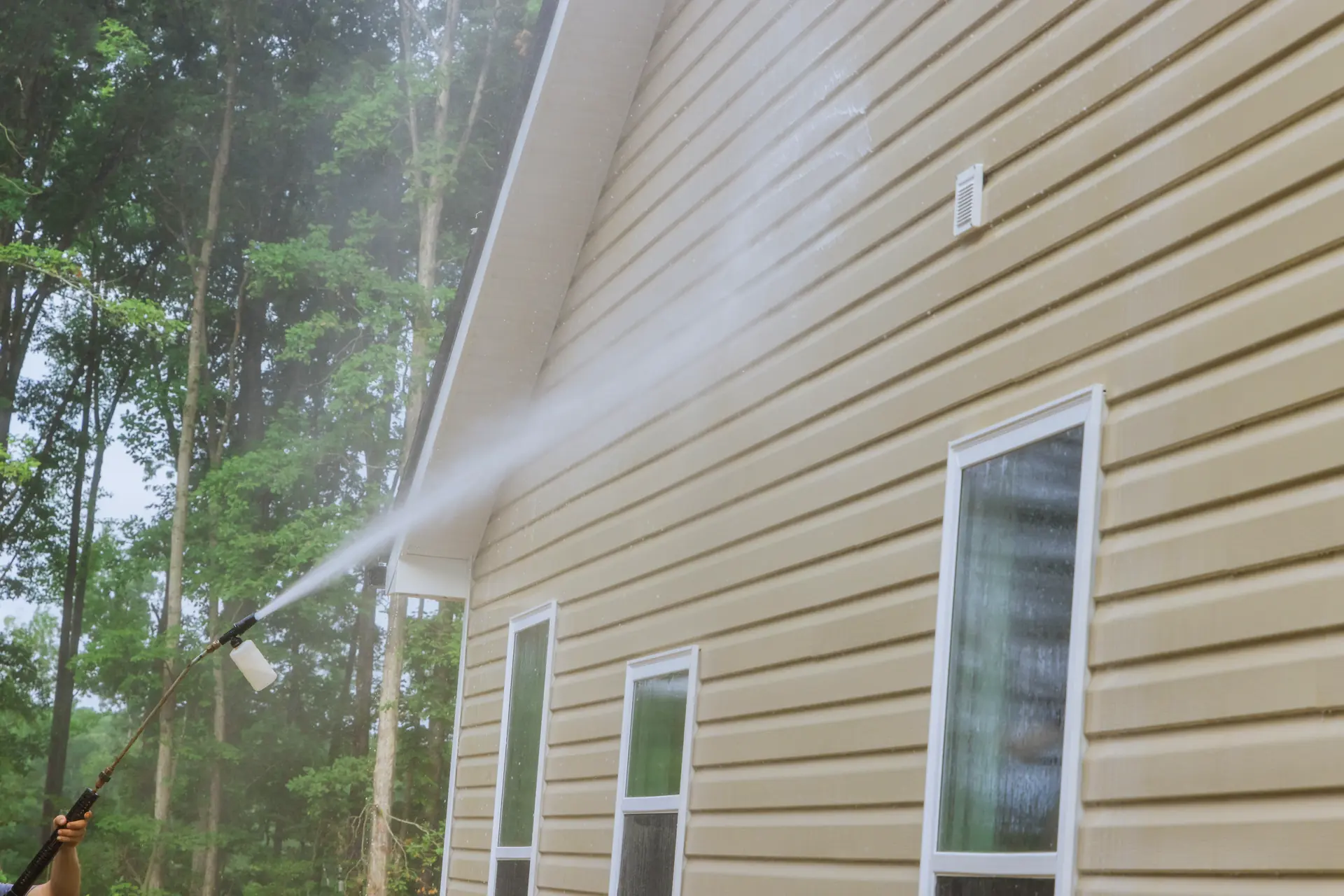
Thinking about painting your house? Don’t skip the prep work. One of the most important steps before painting is making sure your surfaces are clean and ready to hold new paint. Pressure washing and house washing both play a major role in getting exterior surfaces ready for a fresh coat.
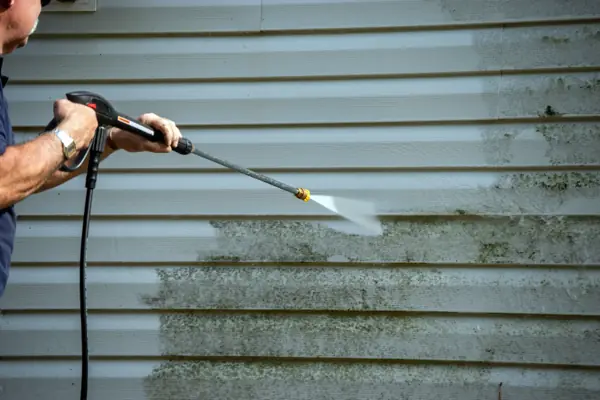
Dirt, mold, and old residue can keep paint from sticking properly, which can lead to peeling or uneven results. That’s where pressure washing comes in. It helps create a smooth, clean surface so your paint job lasts longer and looks better. As explained in how exterior cleaning protects paint and siding, proper cleaning is not just about appearance. It also helps protect the materials underneath.
If you want a finish that actually holds up over time, it’s worth understanding why this step matters before you pick up a brush.
Do You Need Pressure Washing Before Painting Your House?
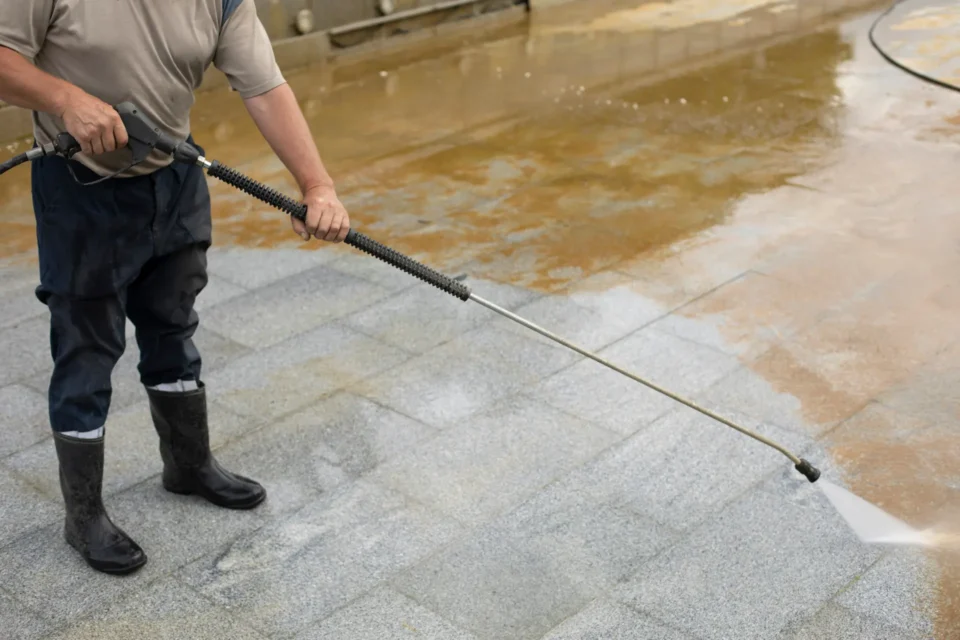
Pressure washing is one of the most important steps in preparing your home for a new coat of paint. It clears away years of buildup that can interfere with how well paint adheres. For many homeowners, professional exterior cleaning is the difference between a paint job that lasts and one that starts failing early.
Why It Matters
- Removes dirt, dust, and debris
- Eliminates mold, mildew, and algae
- Strips away loose or peeling paint
- Creates a clean, smooth surface for better adhesion
Even if your home looks relatively clean, there’s often a layer of invisible contaminants that can affect the outcome of your paint job.
Skipping proper cleaning is one of the fastest ways to waste time and money on repainting.
Can You Paint Over a Dirty or Unwashed Exterior Surface?
Technically, yes, you can paint over a dirty surface. But it’s not a good idea.
What Happens When You Do
- Paint doesn’t stick properly
- Dirt acts as a barrier between the surface and paint
- You may see uneven coverage or blotchy results
- The paint may peel or crack sooner
Example
Imagine painting over dust. Instead of bonding to the wall, the paint bonds to the dust layer, which can easily come off over time. The same issue shows up with grime, algae, and buildup that often collect on siding and trim. This is one reason soft washing is often used alongside pressure washing for a safer, more complete clean.
Common Issues
- Flaking within months
- Reduced durability
- Poor overall appearance
Painting over an unwashed surface might save time upfront, but it almost always leads to more work later.
Is Pressure Washing Necessary Before Painting a House?
Short answer: It’s highly recommended
While not always mandatory, pressure washing is considered best practice by professionals.
When It’s Especially Necessary
- The house has visible dirt, stains, or discoloration
- There is mold, mildew, or algae present
- The previous paint is peeling or chalking
- The home hasn’t been cleaned in years
Benefits of Pressure Washing Before Painting
- Improves paint adhesion
- Helps paint last longer
- Provides a cleaner, more professional finish
Can You Skip It?
In rare cases, such as newly built homes or recently cleaned surfaces, you may not need full pressure washing. However, some form of cleaning is still essential. Homeowners who ignore prep work often run into the same issues discussed in why pressure washing has become the silent home value booster, where surface condition directly affects long-term results and property appearance.
What Happens If You Don’t Pressure Wash Before Painting?
Skipping pressure washing can lead to several problems that affect both appearance and durability.
1. Poor Paint Adhesion
Paint needs a clean surface to bond effectively. Dirt and grime prevent this, causing the paint to sit on top rather than stick.
2. Peeling and Cracking
When paint doesn’t adhere properly, it can peel, bubble, or crack much sooner than expected.
3. Trapped Contaminants
Mold, mildew, and algae can continue growing underneath the paint, eventually breaking through the surface. In some cases, these issues are similar to what property owners see with neglected siding and exterior buildup described in spring stains that weren’t there last year.
4. Uneven Finish
You may notice streaks, patches, or inconsistent color because the surface wasn’t properly prepared.
5. Shorter Lifespan
A paint job that should last 7–10 years may only last a few years without proper prep.
Real-World Impact
Skipping pressure washing might save a day of work, but it can cost you thousands in repainting sooner than planned.
Are There Alternatives to Pressure Washing Before Painting?
Yes, there are alternatives, but they may not be as effective or efficient.
1. Hand Scrubbing
You can clean surfaces manually using brushes, water, and cleaning solutions.
Pros:
- More control over delicate areas
- Lower risk of surface damage
Cons:
- Time-consuming
- Less effective on large surfaces
- May not remove deep buildup
2. Soft Washing
Soft washing uses low-pressure water combined with cleaning solutions.
Best for:
- Delicate surfaces like siding or stucco
- Areas with mold or mildew
This method is especially useful when surfaces need a gentler approach, and soft washing treatments can help address organic growth without the risks of excessive force.
3. Chemical Cleaning
Special cleaning agents can break down dirt and organic growth without high pressure.
Pros:
- Effective at killing mold and algae
- Safer for certain materials
Cons:
- Requires proper handling
- May still need rinsing
Which Option Is Best?
For most homes, a combination of pressure washing and soft washing provides the best results. It ensures a deep clean without damaging sensitive areas.
How Long Should You Wait to Paint After Pressure Washing a House?
Recommended wait time: 24 to 72 hours
After pressure washing, your home needs time to fully dry before painting.
Why Drying Time Matters
- Moisture trapped in surfaces can affect paint adhesion
- Wet surfaces can lead to bubbling or peeling
- Paint may not cure properly
Factors That Affect Drying Time
- Weather (sunny vs. cloudy)
- Humidity levels
- Surface material (wood takes longer than vinyl)
- Airflow and ventilation
General Guidelines
- Warm, dry weather: 24 hours may be enough
- Cool or humid conditions: 48–72 hours is safer
Pro Tip
If the surface feels even slightly damp, wait longer. Painting too soon can undo all the preparation work.
Key Takeaway
Pressure washing before painting your house is one of the most important steps you can take to ensure a smooth, long-lasting finish. While it may seem like an extra task, it plays a major role in helping paint adhere properly, preventing peeling, and improving the overall look of your home.
Painting over a dirty surface can lead to uneven results and costly repairs down the line. Whether you use pressure washing, soft washing, or a combination of both, proper preparation is what separates a short-term fix from a durable, professional-quality paint job. If you want a better understanding of how cleaning impacts curb appeal and long-term maintenance, Power Clean Pressure Washing shares more insights across its service and blog resources.
Prep Your Home the Right Way for a Paint Job That Lasts
If you want to get your home truly ready for painting without the guesswork, Power Clean Pressure Washing is here to help. We provide thorough, safe, and effective cleaning that sets the foundation for a paint job that lasts.
Reach out today to learn more or schedule your service.