
Black streaks on asphalt shingles often indicate algae-related discoloration rather than a need for roof replacement. If the shingles remain in good condition, professional cleaning may improve their appearance. However, missing shingles, leaks, significant granule loss, or visible deterioration require an assessment by a qualified roofing contractor.
For homeowners deciding between roof cleaning or replacement for black streaks, the most important distinction is whether the discoloration is cosmetic or accompanied by actual roofing damage. A professional should identify the staining, evaluate the visible roof condition, and follow the shingle manufacturer’s approved cleaning recommendations before treatment.
What Usually Causes Black Roof Streaks?
Black roof streaks are commonly caused by airborne algae that develop on asphalt shingles, particularly in humid environments.
The Asphalt Roofing Manufacturers Association (ARMA) identifies Gloeocapsa magma, a type of blue-green algae, as a frequent cause of dark roof discoloration.
This organism produces dark pigments that protect it from ultraviolet radiation. As the algae spread across the shingle surface, the discoloration may appear as dark spots, irregular patches, or long black streaks.
Although these markings can make a roof look older, they do not automatically indicate structural damage.
Why Algae Develop on Asphalt Shingles
Airborne algae can settle on roofing materials and grow when environmental conditions support them.
Moisture, humidity, and limited sunlight can make particular roof sections more favorable for algae growth.
Common contributing conditions include:
- High humidity: Moist conditions support algae growth on exposed surfaces.
- Shaded roof sections: Areas receiving limited sunlight may remain damp longer.
- Overhanging trees: Tree coverage can reduce sunlight and contribute to moisture retention.
- Roof orientation: Certain slopes may experience more persistent dampness than others.
- Local environmental exposure: Airborne algae can spread between nearby buildings.
For homeowners in Rock Hill, SC, warm and humid weather can create conditions where roof discoloration becomes noticeable.
However, not every dark stain is caused by algae.
Are Black Streaks the Same as Mold or Moss?
No. Algae, mold, moss, and other surface deposits are different materials.
Black algae discoloration often appears as relatively flat staining across the shingles. Moss typically develops a more visible, raised growth pattern.
ARMA explains that while algae discoloration is generally an aesthetic concern, moss can affect shingle performance by contributing to lifted edges and moisture-related problems.
Soot, dirt, tree debris, and other deposits may also resemble algae staining.
A professional should identify the likely cause before selecting a cleaning method.
Does Roof Algae Mean the Shingles Are Damaged?
Not necessarily.
ARMA states that scientific evidence has not established that ordinary algae discoloration damages asphalt shingles.
The staining can affect the appearance of the roof without compromising the shingles’ protective function.
However, a roof can have algae and unrelated deterioration at the same time. Visible discoloration should therefore be considered separately from evidence of actual material damage.
Which Signs Suggest a Roofing Problem Instead?
Black streaks alone generally do not justify replacing an asphalt shingle roof.
However, certain conditions can indicate that the roofing system needs professional repair or replacement assessment rather than cosmetic cleaning.
Missing, Cracked, or Curling Shingles
Asphalt shingles protect the roof by overlapping and directing rainwater downward.
When shingles are missing, cracked, lifted, or curled, they may no longer provide the intended protection.
These problems can result from aging, weather exposure, installation defects, or storm damage.
If dark streaks appear alongside damaged shingles, a roofing contractor should evaluate those areas before cleaning begins.
Cleaning cannot restore missing material or correct damaged shingle connections.
Significant Granule Loss
Asphalt shingles contain protective mineral granules that help shield the underlying asphalt from sunlight and weather exposure.
Some granule shedding can occur during normal aging. However, extensive bare patches may indicate deterioration or damage.
A dark area caused by missing granules can look different from algae staining, but the distinction may be difficult to establish from the ground.
GAF identifies substantial granule loss as a condition requiring professional evaluation because exposed asphalt can deteriorate more rapidly.
A cleaning company should not treat exposed shingle material as an ordinary surface stain.
Interior Leaks and Water Damage
Water stains on ceilings, damp attic materials, or active leaks indicate a possible roofing or moisture problem that cleaning will not resolve.
Water may enter through damaged shingles, deteriorated flashing, roof penetrations, or other openings.
The location of an interior stain does not necessarily identify the exterior entry point.
If a homeowner notices black streaks and an interior leak, a roofing contractor should investigate the water intrusion before cosmetic cleaning is considered.
Sagging or Visible Structural Problems
An uneven or sagging roofline can indicate more serious underlying concerns.
These conditions may involve decking, framing, or other structural components. They require professional assessment rather than surface cleaning.
Homeowners should avoid walking on the roof or attempting to examine potentially unstable sections themselves.
When Is Cleaning an Appropriate Option?
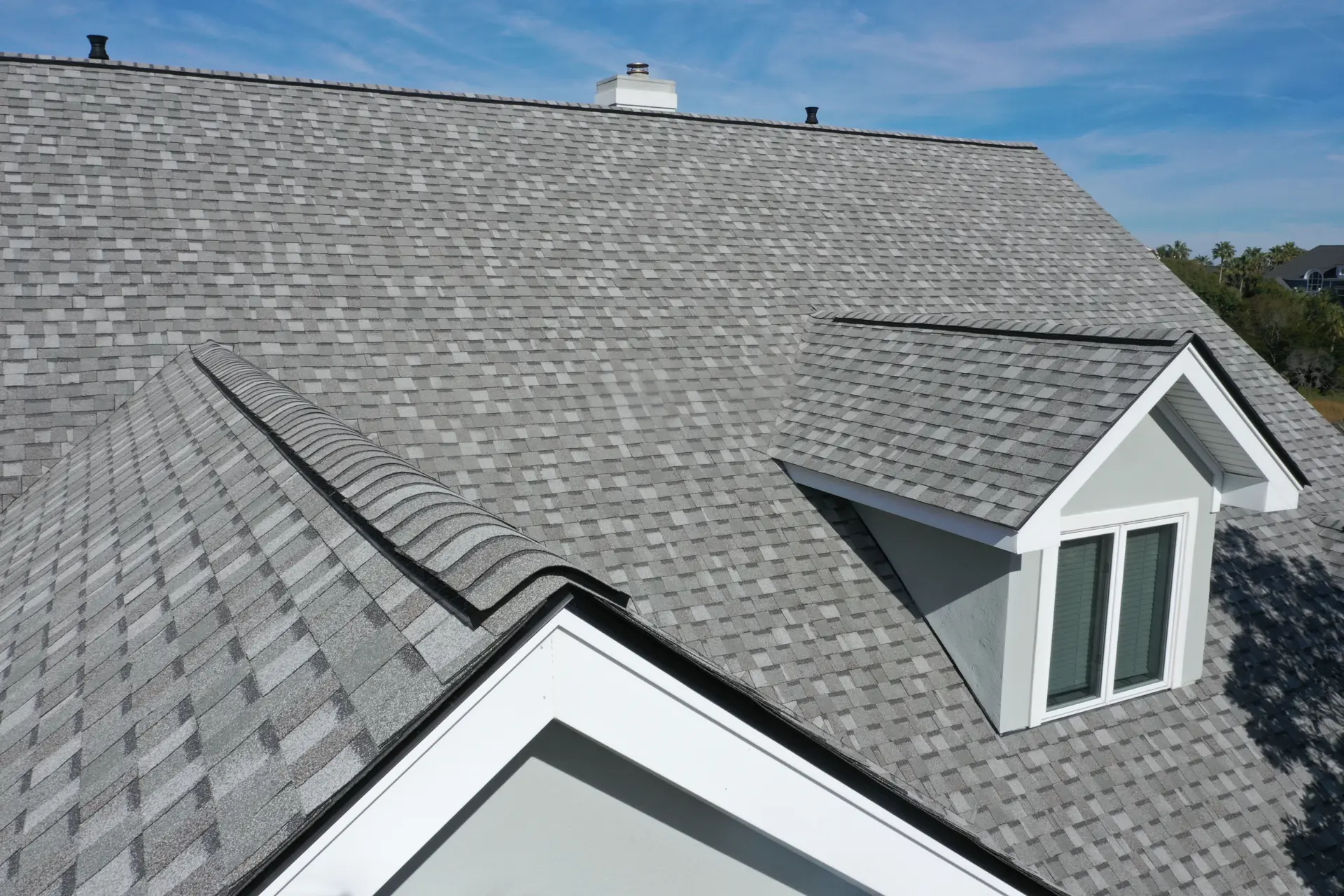
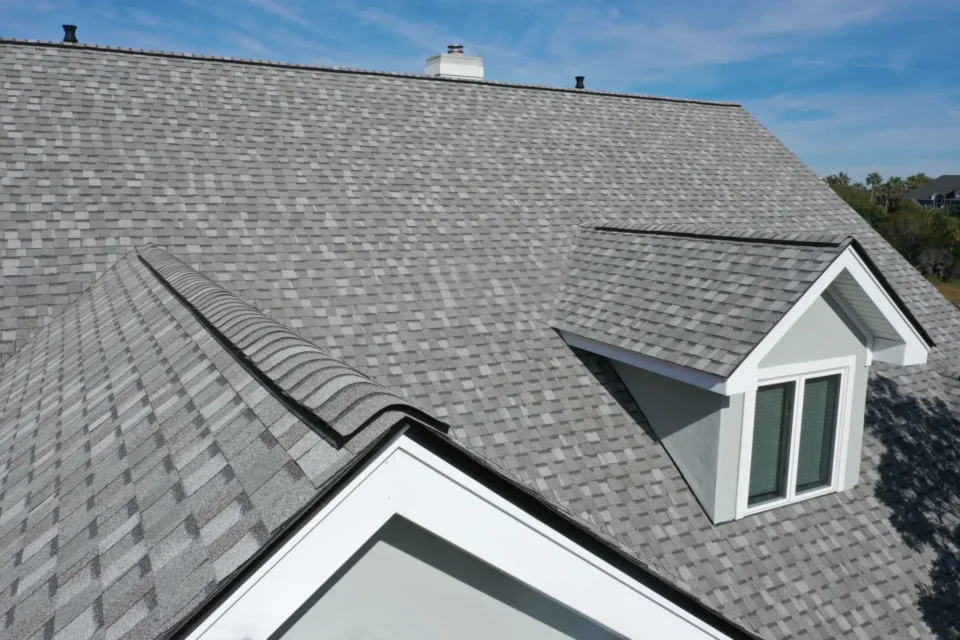
Professional roof cleaning may be appropriate when the discoloration is primarily algae-related and the asphalt shingles remain serviceable.
The purpose is to reduce visible staining without damaging the existing roof surface.
Cleaning should not be presented as a substitute for repairing worn or deteriorated roofing materials.
When the Roof Is Structurally Sound
A roof affected by algae may still have intact shingles, functioning flashing, and no evidence of water intrusion.
In that situation, replacing the entire roof solely because it looks dark may be unnecessary.
Professional cleaning can be considered after confirming that the proposed treatment is compatible with the roofing materials.
For example, a Rock Hill homeowner may notice dark streaks on a shaded roof slope while the remainder of the roof appears relatively clean.
If the shingles are otherwise in suitable condition, the discoloration may be addressed through an approved cleaning process.
Why Roof Age Is Not the Only Factor
An older roof is not automatically beyond cleaning, just as a newer roof is not automatically free from defects.
The decision depends on the condition of the shingles and surrounding roofing components.
A recently installed roof can develop algae staining under favorable environmental conditions. Conversely, a roof with relatively limited staining may have deterioration that requires repair.
The roofing system’s condition matters more than the color of its surface.
What Cleaning Can and Cannot Accomplish
An appropriate treatment may lighten algae discoloration and improve the appearance of the roof.
However, results depend on the staining, shingle type, and manufacturer-approved procedure.
Cleaning cannot:
- Replace missing shingles
- Restore lost protective granules
- Correct deteriorated flashing
- Repair damaged roof decking
- Resolve active roof leaks
- Reverse advanced shingle deterioration
Algae may also return over time because airborne organisms can recolonize roof surfaces.
Professional cleaning should not be described as a permanent solution or a guarantee of longer roof life.
What if Replacement Is Already Necessary?
When a roofer determines that the shingles have reached the end of their serviceable condition, spending money on cosmetic cleaning may provide limited value.
The property owner should prioritize the roofing contractor’s recommendations.
At Power Clean Pressure Washing, we provide professional roof cleaning in Rock Hill, SC using low-pressure methods for suitable roofing surfaces.
If a roof shows visible damage or suspected structural problems, those concerns should be evaluated by a qualified roofing contractor before cleaning proceeds.
Why Does the Shingle Manufacturer’s Cleaning Guidance Matter?
Asphalt roofing manufacturers specify how their products should be cleaned.
Following those requirements helps avoid unnecessary damage to the roofing surface.
ARMA recommends obtaining the manufacturer’s instructions before applying cleaning products or selecting a treatment method.
Why High-Pressure Washing Is Not Appropriate
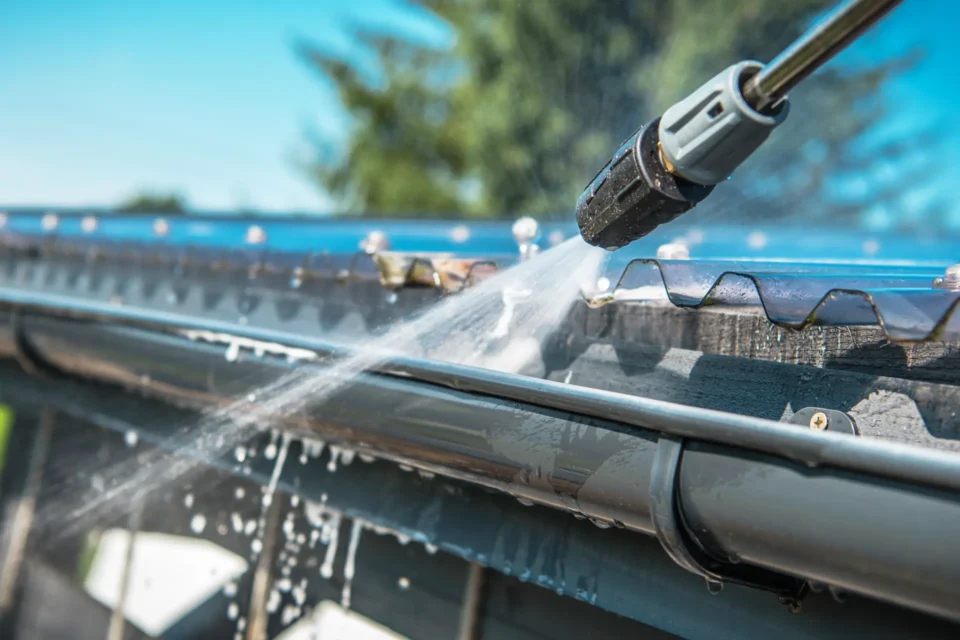
High-pressure washing can damage asphalt shingles by loosening or removing protective granules.
The force of a pressure washer may also disturb roofing materials.
ARMA specifically advises against using power washers, brushes, or brooms to remove algae from asphalt shingles.
Homeowners searching for a service to power wash a roof should understand that asphalt shingles require a different cleaning approach.
Equipment suitable for concrete driveways is not automatically appropriate for roofing materials.
How Low-Pressure Cleaning Differs
Soft washing generally uses low-pressure application methods and cleaning solutions selected for the surface being treated.
This differs from relying on forceful water pressure to remove discoloration.
ARMA describes an algae-cleaning procedure involving a sodium hypochlorite solution applied gently and rinsed using low-pressure water.
However, exact chemical concentrations and application instructions can vary among shingle manufacturers.
Professional cleaners should follow the applicable product guidance rather than applying one method to every roof.
Protecting Surrounding Property
Roof cleaning can involve solutions that require careful handling.
Runoff may contact gutters, siding, landscaping, and other exterior surfaces.
The cleaning provider should explain the precautions used to protect surrounding materials and manage rinse water appropriately.
Weather conditions also matter because strong winds or rainfall can interfere with controlled treatment.
At Power Clean Pressure Washing, we use soft washing for asphalt shingles rather than high-pressure cleaning.
Before scheduling treatment, homeowners should confirm that the proposed method is compatible with their roofing materials.
Does Roof Cleaning Affect Shingle Warranties?
Warranty terms depend on the manufacturer, product, and specific circumstances.
Using an unapproved cleaning method may create warranty concerns, but homeowners should not assume that any cleaning service automatically preserves or voids coverage.
The contractor should identify the applicable shingle requirements.
If the shingle manufacturer or product is unknown, additional investigation may be needed before treatment.
What Should Homeowners Ask Before Booking Roof Cleaning?
Before scheduling professional roof cleaning, homeowners should establish whether the staining is suitable for treatment and whether the provider uses appropriate methods.
A few specific questions can help distinguish a cleaning issue from a roofing concern.
Can the Staining Be Identified?
Ask whether the visible discoloration appears consistent with algae, moss, debris, or another condition.
A cleaning professional may recognize common surface growth, but suspected roofing deterioration should be referred to an appropriate contractor.
Photographs taken safely from the ground may help explain where the staining appears and whether it has changed.
Is the Roof Suitable for Cleaning?
Ask whether visible roof conditions raise concerns about proceeding.
Important observations include missing shingles, raised edges, damaged flashing, and apparent granule loss.
A roof cleaning assessment should not be confused with a comprehensive roofing inspection.
If substantial deterioration is suspected, a qualified roofer should determine whether cleaning is appropriate.
Which Cleaning Method Will Be Used?
A professional should be able to explain:
- Whether low-pressure application will be used
- How the treatment will follow manufacturer guidance
- What cleaning solution is proposed
- How nearby landscaping and exterior surfaces will be protected
- What appearance changes are reasonably expected
- Whether any visible damage requires a separate roofing assessment
Avoid choosing a cleaning company solely because it promises to remove every stain immediately.
The method should be appropriate for the roof, and the expected outcome should be realistic.
What if Stains Return?
Algae discoloration can recur after cleaning.
ARMA acknowledges that treatment results are temporary and that roof staining may return.
The timing varies with moisture, shade, weather, and other environmental conditions.
Homeowners should ask about the provider’s recommendations for evaluating future buildup without assuming that annual treatment or a fixed schedule is necessary for every property.
FAQs
Are Black Streaks on Shingles Algae?
Often, yes. Black streaks on asphalt shingles commonly result from algae such as Gloeocapsa magma. However, dirt, soot, moss, and other deposits can create similar discoloration. A professional should identify the likely cause before recommending treatment.
Can Roof Stains Be Cleaned Without Replacing Shingles?
Yes. When the shingles remain serviceable and the staining is primarily cosmetic, manufacturer-approved cleaning may improve their appearance. However, cleaning cannot repair damaged roofing materials, significant granule loss, or active leaks.
Does Roof Algae Always Mean Roof Damage?
No. ARMA identifies ordinary algae discoloration as primarily an aesthetic issue and states that scientific evidence has not established that it damages asphalt shingles. However, algae can appear on roofs that also have unrelated deterioration.
Can Asphalt Shingles Be Pressure Washed?
High-pressure washing should not be used on asphalt shingles. ARMA warns that pressure washers can remove protective granules and damage roofing materials. Cleaning should follow the shingle manufacturer’s approved low-pressure treatment instructions.
Should a Roof Be Replaced if Black Streaks Keep Returning?
Not solely because the staining returns. Algae can recolonize a roof after cleaning. Replacement should be based on the condition of the roofing system, not repeated cosmetic discoloration alone. A qualified roofer can evaluate suspected deterioration.
How Can Homeowners Tell Whether a Roof Needs Cleaning or Repair?
Flat, dark discoloration without visible damage may indicate algae suitable for cleaning. Missing shingles, curling, leaks, and significant granule loss suggest a need for roofing assessment. A qualified professional should determine the cause rather than relying on appearance alone.
Address Black Roof Streaks With Power Clean Pressure Washing
Black streaks do not necessarily mean your roof needs replacing. When algae is responsible and the shingles remain in suitable condition, professional cleaning may help improve the roof’s appearance without unnecessary replacement.
At Power Clean Pressure Washing, we offer roof cleaning services for homeowners in Rock Hill, Fort Mill, Tega Cay, and surrounding communities within our service area.
We use low-pressure soft washing methods for suitable roofing surfaces and can discuss your staining concerns before scheduling treatment. If visible damage suggests a roofing problem, a qualified roofing contractor should assess the condition first.
Call Power Clean Pressure Washing at (803) 371-9053 to request a roof cleaning estimate and discuss the black streaks affecting your home.