

HOA boards can reduce disruption during exterior cleaning by defining the work, dividing the property into manageable zones, and notifying residents about access, parking, and preparation requirements. The cleaning contractor should explain water access, pedestrian routing, equipment placement, and weather contingencies. A documented schedule helps residents plan around temporary restrictions while allowing crews to work efficiently.
Effective HOA exterior cleaning scheduling starts before the first cleaning appointment. For communities in Rock Hill, SC, the goal is to coordinate maintenance without unnecessarily interfering with daily routines. A clear scope, practical schedule, and consistent communication can make a community-wide project easier to manage.
Which Shared Areas Should the HOA Include?
Before requesting estimates, the board should identify which exterior areas need attention and determine who is responsible for maintaining them.
Some HOAs maintain only shared amenities and common spaces. Others oversee townhome exteriors, condominium buildings, or additional structures.
The association’s governing documents and maintenance agreements should guide these decisions.
Identify the Common Areas That Need Cleaning
Common areas may include:
- Clubhouses and community buildings
- Sidewalks and pedestrian pathways
- Shared driveways and parking areas
- Pool decks and amenity spaces
- Community entrances and signage
- Mail kiosks and guardhouses
- Fences and perimeter walls
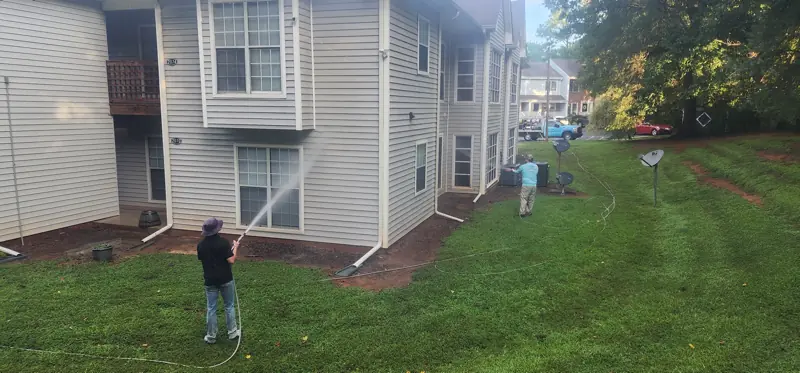
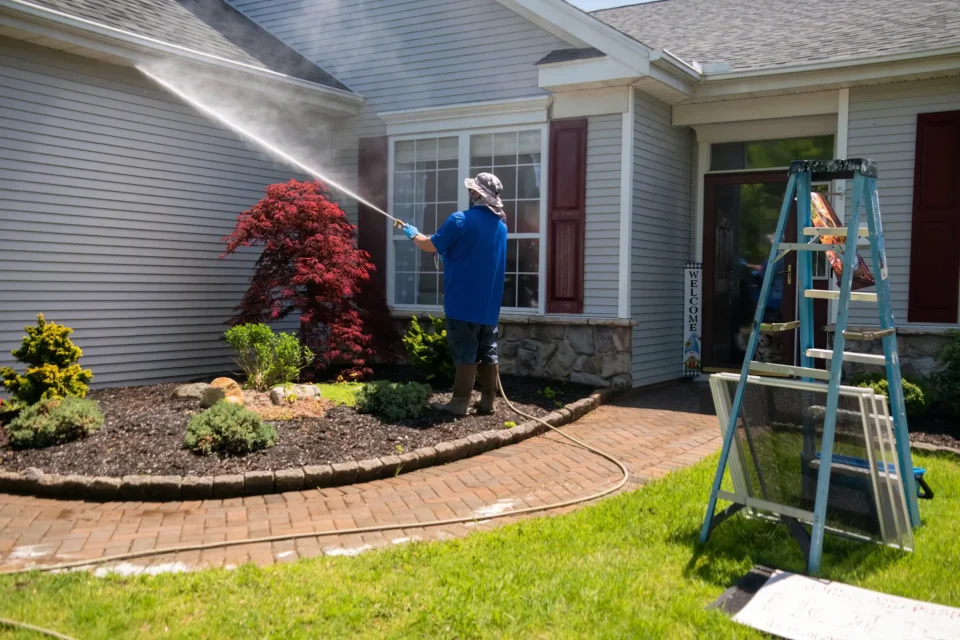
- Exterior walls on association-maintained buildings
Not every surface necessarily requires the same cleaning method.
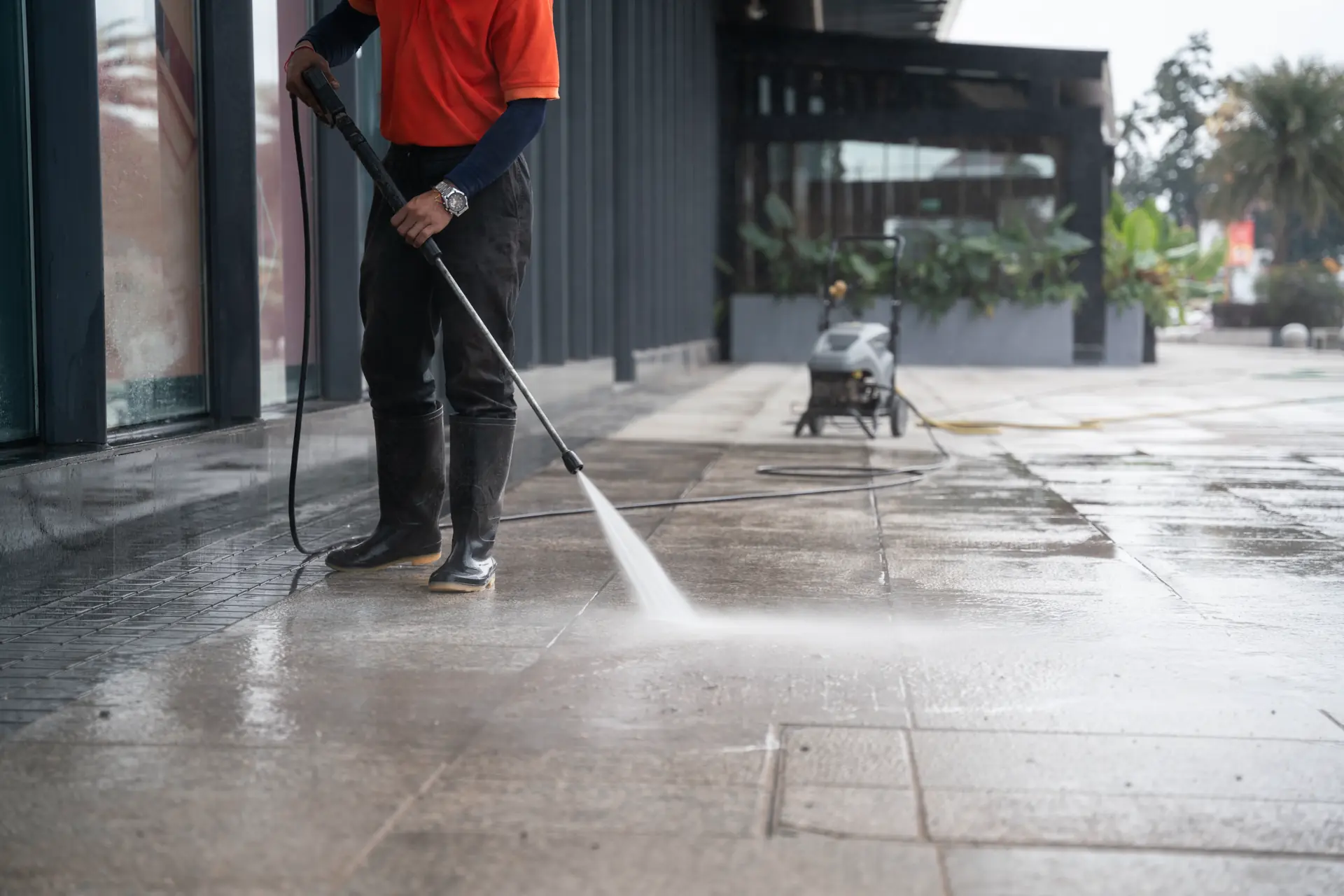
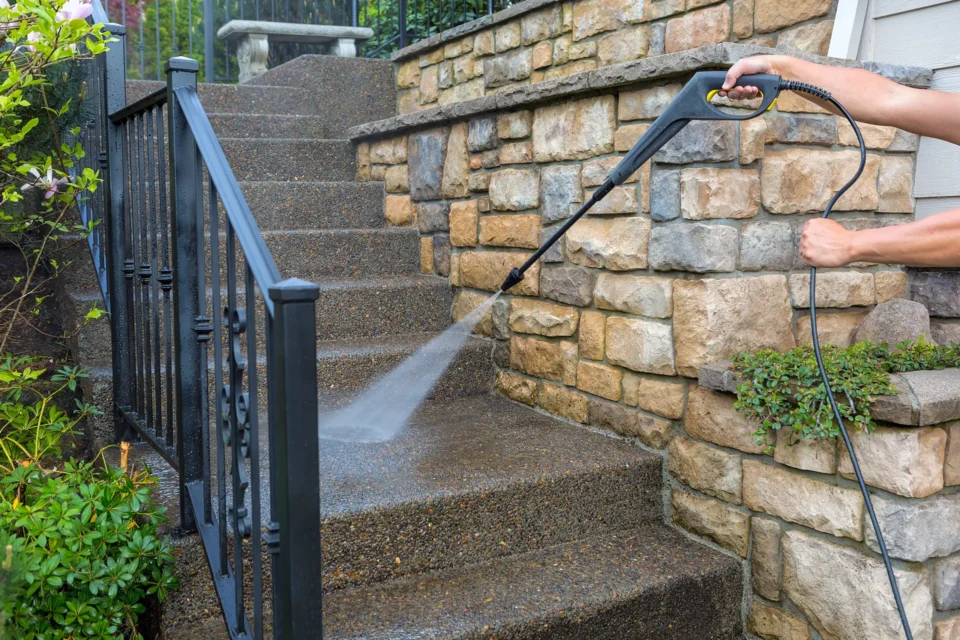
Concrete sidewalks may be suitable for a pressure washing approach, while certain siding materials require lower-pressure techniques.
At Power Clean Pressure Washing, we provide HOA exterior cleaning services in Rock Hill and surrounding communities. Our published services include building soft washing, concrete cleaning, amenity structures, fences, and other shared exterior areas.
The specific scope should be established during the estimate process.
Separate Common Property From Individual Units
One important scheduling question is whether the association has authority to arrange cleaning on individual homes.
For example, a townhome community may have maintenance responsibilities that differ from those of a neighborhood with detached, individually maintained houses.
The board should review applicable documents before adding private patios, driveways, or home exteriors to the project.
If resident permission or separate authorization is necessary, those requirements should be addressed before scheduling.
A contractor should not be expected to resolve disagreements about property maintenance responsibilities.
Prioritize Areas With the Greatest Impact
A community does not always need to clean every exterior surface during one project.
Boards may prioritize heavily used walkways, main entrances, shared buildings, or surfaces with visible buildup.
Other areas may be suitable for a later phase.
This approach can help the association align its maintenance priorities with available funding and resident access needs.
How Can Work Be Phased by Building or Zone?
Dividing a community into smaller cleaning zones can make scheduling more manageable.
Instead of restricting several buildings or parking areas simultaneously, the contractor may be able to complete one section before moving to another.
However, the number of phases and their duration depend on the property layout and work involved.
Create a Practical Zone Map
A zone map should show the locations included in each stage.
For a townhome or condominium community, zones might be organized by building number or street.
For a neighborhood with several amenities, the schedule might separate the clubhouse, pool area, entrance, and parking facilities.
Each zone should identify:
- Surfaces included in the work
- Planned cleaning dates
- Expected working hours
- Parking restrictions
- Pedestrian access changes
- Water access points
- Areas requiring resident preparation
These details help residents understand which activities may affect them directly.
Coordinate Work Around Community Activity
Consider when residents typically use the affected spaces.
Cleaning a clubhouse entrance during a scheduled association meeting may be inconvenient.
Similarly, washing a busy parking area during a period of high vehicle turnover may create avoidable complications.
Ask whether the contractor can accommodate the property’s regular activity patterns.
The best schedule balances resident needs with realistic working conditions.
Avoid promising that all work can occur outside peak hours unless the contractor confirms that arrangement.
Build Flexibility Into the Schedule
Weather, equipment access, and unexpected property conditions can affect exterior cleaning.
Rain or unsafe working conditions may require changes.
Additional buildup or previously unidentified surfaces may also affect the time needed.
A phased plan should explain how postponed work will be rescheduled and how residents will receive updates.
At Power Clean Pressure Washing, we offer phase-by-phase HOA cleaning programs for larger communities.
Our team can discuss how the work may be divided based on the property, approved scope, and available scheduling options.
What Should Resident Notices Explain?
Resident communication is a central part of successful HOA cleaning.
Even a well-organized project can create frustration when people are unaware of temporary parking restrictions or access changes.
Notices should provide specific, actionable information.
How Much Notice Should Residents Receive?
There is no universal notice period that applies to every HOA exterior cleaning project.
Requirements may depend on association governing documents, property management policies, contracts, and applicable local rules.
Boards should confirm their obligations before choosing a notification schedule.
Providing advance notice gives residents time to move vehicles, prepare outdoor areas, and make alternative arrangements when necessary.
A reminder closer to the work date may also help.
However, the association should not assume that a particular number of days satisfies every legal or contractual requirement.
Include Essential Information
A resident notice should clearly state:
- Which buildings or common areas will be cleaned
- The planned date or date range
- Expected working hours
- Whether parking spaces must be cleared
- Which entrances or pathways may be temporarily unavailable
- Whether outdoor furniture or personal belongings need moving
- How pets should be managed near the work area
- Whom residents should contact with questions
Avoid using only broad announcements such as “pressure washing will happen next week.”
Residents need enough detail to understand how the project affects their property and routines.
Explain What Residents Should Prepare
Preparation requirements vary by the areas being cleaned.
For example, residents may need to remove personal items from shared patios or keep windows closed during nearby exterior washing.
They may also need to relocate vehicles or avoid particular pathways.
The contractor should confirm the necessary preparations before the HOA sends instructions.
Do not ask residents to perform work that has not been established as necessary.
Choose a Consistent Communication Method
HOAs may communicate through email, resident portals, posted notices, or property management announcements.
A combination of methods may be appropriate when residents have different communication preferences.
The important point is consistency.
Use the same zone names and dates across notices, schedules, and updates.
Designate an HOA representative or property manager to coordinate changes with the contractor.
This reduces the likelihood of residents receiving conflicting information.
How Should Parking and Pedestrian Access Be Managed?
Exterior cleaning often involves hoses, equipment, water, and temporarily wet surfaces.
These conditions require planning around how people and vehicles move through the community.
Resident access should be addressed before work begins rather than improvised after equipment is in place.
Plan Temporary Parking Restrictions
Parking lot cleaning may require certain spaces to remain clear.
The board should confirm how many spaces must be unavailable and for approximately how long.
If alternative parking exists, explain where residents may park during the work.
However, do not promise replacement parking unless it has been identified and authorized.
Communities with assigned parking or limited visitor spaces may require additional coordination.
For larger projects, cleaning parking areas in sections may be more practical than attempting to clear the entire lot at once.
Maintain Appropriate Pedestrian Routes
Sidewalks, building entrances, and common walkways require particular attention.
Wet surfaces, cleaning hoses, and active equipment can interfere with pedestrian movement.
The contractor and property manager should agree on temporary work boundaries and any necessary alternate routes.
These routes must account for residents with mobility limitations.
If accessible paths will be affected, applicable accessibility and property requirements should be reviewed before work begins.
No contractor should promise uninterrupted access when the work requires a temporary restriction.
Instead, the project plan should explain how access will be managed.
Protect Essential Access
Emergency access, fire lanes, and other critical routes should be considered during scheduling.
Cleaning equipment and parked work vehicles must be positioned appropriately.
The board should also identify deliveries, waste collection, school transportation, and other regular community activities that could conflict with cleaning.
The contractor should explain how work areas will be secured and reopened once conditions are suitable.
Discuss Water Use and Runoff
Water access should be established before the project starts.
Ask whether the contractor requires access to association water connections or has other arrangements.
Runoff also matters, especially near storm drains, landscaped areas, and parking lots.
The U.S. Environmental Protection Agency provides pollution-prevention guidance explaining why contaminated wash water should be prevented from entering storm drainage systems.
Applicable wastewater requirements depend on the location and work involved.
The contractor should explain how water and cleaning residues will be managed.
What Should the Contractor’s Schedule and Quote Include?
A detailed estimate helps the board compare proposals and understand the work residents will experience.
A quoted price alone is not enough to establish whether two companies are proposing the same service.
The schedule and scope should be reviewed together.
Require a Clearly Defined Scope
A written proposal should identify the areas being cleaned, applicable methods, and any exclusions.
It should also address whether specialized services are included.
For example, cleaning a clubhouse exterior does not automatically mean roof cleaning, gutter cleaning, and window cleaning are included.
Similarly, commercial pressure washing of a parking area may not include unrelated maintenance or parking lot striping.
Clarifying these distinctions prevents misunderstandings after work begins.
Confirm Scheduling and Site Requirements
Ask the contractor to document:
- Proposed work dates or scheduling windows
- Expected duration of each phase
- Working hours
- Required parking restrictions
- Water and equipment access
- Resident preparation requirements
- Weather rescheduling procedures
- Any anticipated temporary closures
The contractor should identify assumptions that could affect the proposed schedule.
For example, a quote may depend on vehicles being moved before the crew arrives.
The board should understand those conditions before approving the project.
Review Insurance and Project Documentation
HOA boards and management companies may require insurance documentation before authorizing work.
Power Clean Pressure Washing’s published HOA service information states that we can provide certificates of insurance to management companies before work begins.
Boards should verify that the documentation meets their requirements.
Also ask how completed work will be confirmed.
Power Clean offers before-and-after documentation upon request for HOA projects.
The agreement should identify any documentation the board expects to receive.
Establish One Point of Contact
A designated HOA representative can coordinate access, resident questions, and schedule changes.
The contractor should also identify the person responsible for project communication.
This arrangement helps keep decisions organized.
For example, if a scheduled zone cannot be cleaned because vehicles remain parked there, the contractor needs someone authorized to discuss the next step.
A clear communication process is more useful than expecting individual residents to negotiate changes directly with the crew.
Understand the Total Project Cost
The quote should identify what is included in the approved price.
Ask whether separate charges may apply to additional surfaces, return visits, changes in scope, or unusual access conditions.
If the association is considering recurring HOA cleaning, discuss how future visits would be scheduled and priced.
Power Clean offers annual, seasonal, and phased HOA cleaning arrangements. The specific terms should be confirmed in the written proposal.
FAQs
How Do HOAs Schedule Pressure Washing?
HOAs should identify the surfaces requiring cleaning, confirm maintenance responsibilities, request a contractor assessment, and organize the work into practical zones. A written schedule should address access, parking, resident notices, and weather-related changes.
How Much Notice Should Residents Receive Before Cleaning?
The appropriate notice period depends on the association’s governing documents, management policies, and applicable requirements. Give residents enough time to prepare for temporary access or parking restrictions, and confirm whether additional reminders are needed.
Can Exterior Cleaning Be Done in Phases?
Yes. Many HOA projects can be divided by building, street, parking area, or amenity. Power Clean Pressure Washing offers phased cleaning programs for larger communities. The schedule depends on property access, work scope, and contractor availability.
What Should an HOA Pressure Washing Quote Include?
The proposal should identify cleaning areas, methods, exclusions, pricing, work phases, estimated scheduling, water access, parking restrictions, and weather contingencies. Boards should also review insurance documentation and completion reporting.
Can Apartment Complexes Use the Same Scheduling Approach?
Yes. Many principles also apply when planning pressure washing for apartment complexes. Property managers can organize work by building or zone, coordinate resident notices, and manage temporary parking restrictions. Actual procedures depend on the property’s layout and management requirements.
Can Cleaning Continue While Residents Use Common Areas?
Sometimes, but access may need to be temporarily restricted near active work areas. The contractor should identify where equipment, hoses, water, or other conditions make normal use inappropriate. Resident safety and necessary access arrangements take priority over convenience.
Does Every HOA Need the Same Cleaning Schedule?
No. Property size, exterior materials, usage, weather exposure, and maintenance priorities vary. A smaller community may need a different approach from a large townhome development with multiple buildings and amenities.
Plan HOA Exterior Cleaning With Power Clean Pressure Washing
Coordinating community cleaning does not have to mean scheduling every building and shared area at once.
At Power Clean Pressure Washing, we work with HOA boards and property managers to plan exterior cleaning projects around property conditions, maintenance priorities, and available scheduling options.
Our services include building soft washing, sidewalk and concrete cleaning, shared amenity areas, and other exterior surfaces. We serve communities in Rock Hill, Fort Mill, Tega Cay, Lake Wylie, and nearby areas.
We can discuss phased work, site access, and the information needed for a written scope.
Call (803) 371-9053 or request a free HOA exterior cleaning estimate to arrange a property review.
Share your community’s layout, maintenance needs, and scheduling concerns so we can discuss a practical approach to the project.