

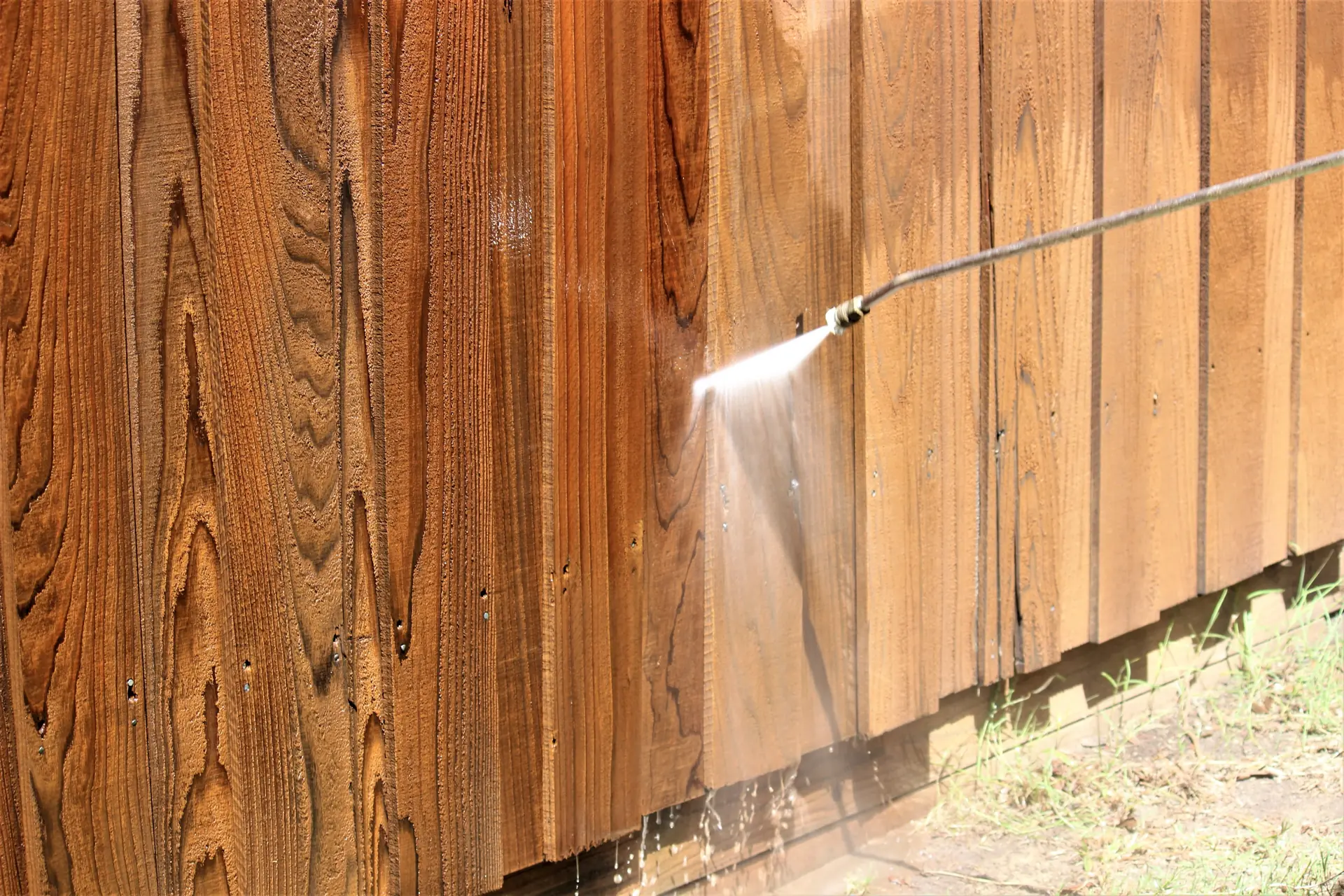
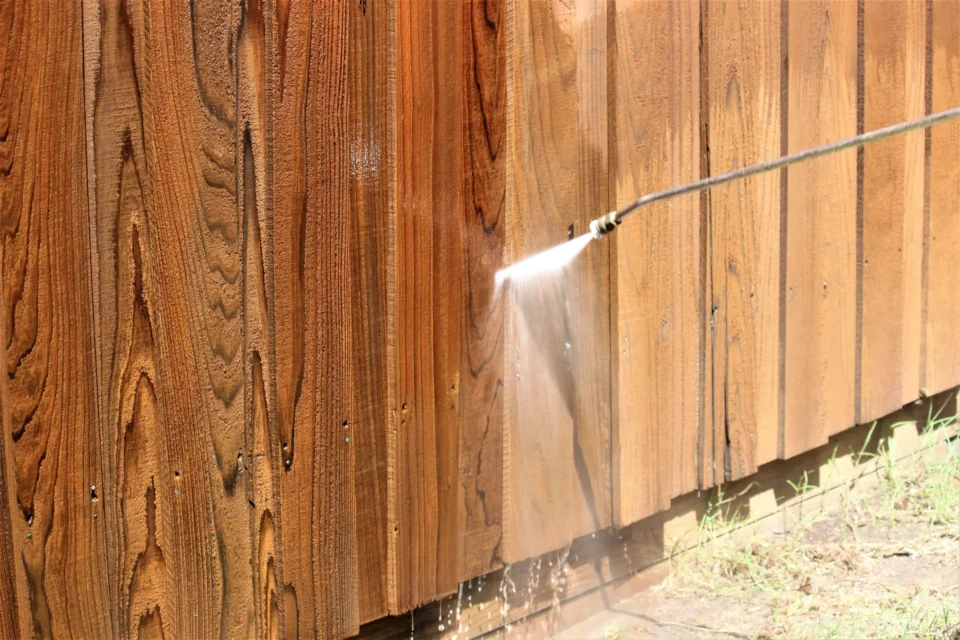
The best way to restore an old or dirty fence is to clean it thoroughly, remove organic growth, repair weak areas, let it dry, and prepare the surface before staining or sealing. Professional Fence Cleaning Services can restore appearance while protecting the fence from weathering, moisture, and surface damage.
A neglected fence can make a well-kept property look older. Dirt, mildew, algae, fading, and loose boards often build up slowly. Proper restoration improves curb appeal, extends service life, and helps prevent avoidable replacement costs for homeowners, businesses, and property managers.
Is Pressure Washing The Best Way To Clean A Fence?
Pressure washing can be an effective way to clean a fence, but it must be controlled.
The best method depends on the material, age, condition, and buildup.
Wood Fences Need Lower Pressure
Wood can be damaged by excessive force.
High pressure may splinter boards, raise the grain, or leave wand marks. A professional approach uses proper distance, nozzle selection, and cleaning solutions when needed. Using experienced Pressure Washing professionals helps minimize the risk of surface damage.
Vinyl Fences Clean More Easily
Vinyl fencing often responds well to soft washing or low-pressure cleaning.
Because vinyl is less porous than wood, surface grime, algae, and mildew can often be removed without aggressive pressure.
Pressure Alone Is Not Always Enough
Water pressure does not always remove deep organic staining.
A proper cleaning process may include pre-treatment, dwell time, rinsing, and inspection.
Technique Protects The Surface
The goal is to clean the fence without weakening it.
Experienced technicians adjust pressure and cleaning methods to match the surface. This reduces damage and improves results.
Following practical Fence Cleaning and Restoration Tips helps protect both appearance and structure.
Can Fence Restoration Improve Curb Appeal?
Fence restoration can improve curb appeal because fencing frames the property.
A clean, well-maintained fence makes outdoor areas look organized.
First Impressions Improve
Dirty fencing can make a home or business appear neglected.
Restoration removes discoloration, streaking, mildew, and weathered buildup that distract from exterior finishes. A properly cleaned fence can dramatically improve curb appeal, as discussed in Fence Cleaning: The Overlooked Upgrade That Transforms Curb Appeal.
Outdoor Spaces Look Finished
A restored fence improves patios, lawns, gardens, pools, and entry areas.
It creates a cleaner boundary and helps the entire property feel more intentional.
Restoration Can Delay Replacement
Many fences look worn before they are structurally beyond repair.
Cleaning, minor repairs, sanding, and staining may restore beauty and performance without the cost of full replacement.
Property Value Perception Matters
Curb appeal influences how people view property maintenance.
A clean fence suggests that the owner pays attention to exterior care, which can support a stronger overall impression.
Commercial Properties Benefit Too
Businesses also benefit from fence restoration.
Clean fencing around parking areas, storage spaces, patios, or service zones helps maintain a professional exterior appearance.
Should You Use Chemicals When Cleaning A Fence?
Cleaning products can be useful, but they should be selected and applied carefully.
The goal is to remove staining and growth without damaging the fence, plants, soil, or nearby surfaces.
Cleaning Solutions Break Down Growth
Mold, mildew, algae, and grime often bond to the surface.
Appropriate cleaners loosen buildup so it can be removed with less pressure. This is especially important for wood fences.
Not Every Product Is Appropriate
Some harsh chemicals can discolor wood, harm plants, corrode hardware, or leave residue.
Professional cleaners choose products based on material, staining, and surrounding conditions.
Plant Protection Matters
Landscaping should be protected before cleaners are applied.
This may include pre-wetting plants, controlling runoff, and rinsing surrounding areas after cleaning.
Dwell Time And Rinsing Matter
Cleaning solutions need time to work.
Rushing the process can create uneven results. Leaving products on too long may affect the surface. After cleaning, the fence should be rinsed thoroughly so residue does not interfere with stain adhesion.
Professional Judgment Reduces Risk
Chemical use is not automatically harmful when handled correctly.
The key is choosing the right product, using the proper dilution, and applying it with care. Professional Soft Washing is often an effective solution for treating organic growth while protecting delicate surfaces.
How Do You Remove Mold And Mildew From A Fence?
Mold and mildew are common on fences exposed to shade, moisture, poor airflow, or nearby vegetation.
Removing them requires more than spraying the surface with water.
Identify The Moisture Source
Before cleaning, consider why growth developed.
Overhanging trees, irrigation overspray, damp soil, and limited sunlight can all contribute to recurring mold and mildew.
Apply The Right Cleaner
A suitable cleaning solution helps break down organic growth.
This allows the surface to be rinsed with controlled pressure rather than excessive force.
Use Gentle Agitation
Some areas may require light brushing.
This can loosen stubborn buildup around knots, seams, and textured surfaces.
Rinse From Top To Bottom
Rinsing should follow a controlled pattern.
Working from top to bottom helps prevent streaking and removes loosened contaminants from the fence.
Allow Proper Drying
After mold and mildew removal, the fence must dry fully.
Moisture trapped under stain or sealer can affect adhesion and appearance.
Prevent Future Growth
Trim nearby vegetation, improve airflow, adjust sprinklers, and schedule periodic cleaning.
Homeowners seeking Fence Restoration in Fort Mill, SC benefit from maintenance that addresses cleaning and prevention.
Is Sanding Necessary After Cleaning A Fence?
Sanding is not always required, but it can be important after cleaning certain fences.
The need depends on the surface condition and the planned finish.
Wood Grain May Rise
Water can raise the grain of wood, especially when older boards are washed.
Light sanding helps smooth rough areas and prepares the surface for stain.
Splinters Should Be Addressed
If the fence feels rough after cleaning, sanding may improve safety and appearance.
This is useful around gates, railings, and frequently touched areas.
Stain Adherence Can Improve
A smooth, clean surface allows stain to absorb more evenly.
Uneven texture may cause blotchy results or inconsistent color.
Excessive Sanding Is Not Always Needed
The goal is not to remove unnecessary material.
Light preparation is often enough unless the fence has heavy damage, coating buildup, or rough weathering.
Inspect Before Deciding
After the fence dries, inspect boards closely.
Look for rough fibers, peeling coating, splintering, soft spots, and uneven color before deciding.
What’s The Next Step After Cleaning Before Staining?
After cleaning, the fence should be inspected, dried, repaired, and prepared before stain or sealer is applied.
Skipping these steps can reduce the quality and lifespan of the finish.
Let The Fence Dry Completely
Drying is essential.
Wood that still contains moisture may not absorb stain properly, and trapped moisture can lead to premature finish failure.
Check For Damage
Inspect the fence for cracked boards, rot, loose fasteners, leaning posts, and damaged gates.
These issues should be corrected before any finish is applied.
Confirm Surface Readiness
The fence should be clean, dry, smooth, and free of residue.
Remaining dirt, cleaner, or loose fibers can affect stain performance.
Choose The Right Stain
Different stains provide different levels of color, transparency, and protection.
The best option depends on material, appearance, sun exposure, and maintenance goals.
Apply Evenly
Proper application helps prevent streaks, lap marks, and uneven color.
Professional application often produces consistent appearance and long-term protection.
Bring Your Fence Back With Careful Restoration
At Power Clean Pressure Washing, we understand that a fence can affect the entire look of a property.
We help property owners restore dirty, weathered, and stained fences with careful cleaning methods that protect the surface while improving appearance. Whether your fence needs mold removal, surface cleaning, or preparation before staining, we provide dependable Wood Cleaning & Restoration services that help exterior spaces look cleaner, sharper, and better maintained.
Final Thoughts
Fence restoration works best when cleaning, mold removal, drying, repairs, sanding, and staining preparation are handled in the proper order. Pressure washing can help, but technique and surface protection matter. The right process improves curb appeal, extends fence life, and reduces premature replacement costs. Using trusted Fence Cleaning and Restoration Tips helps property owners avoid damage and achieve cleaner results. Professional guidance is valuable when dealing with older wood, heavy mildew, surface roughness, or preparation before stain or sealer application for lasting, cleaner, more attractive, dependable results and long-term protection.