
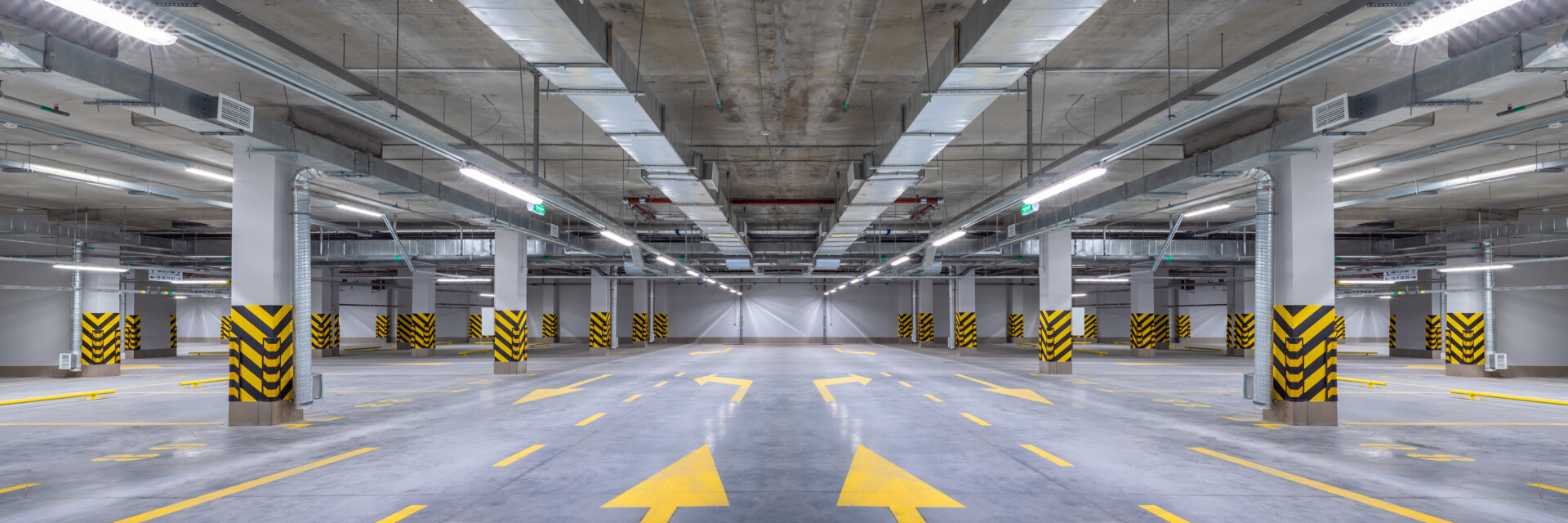
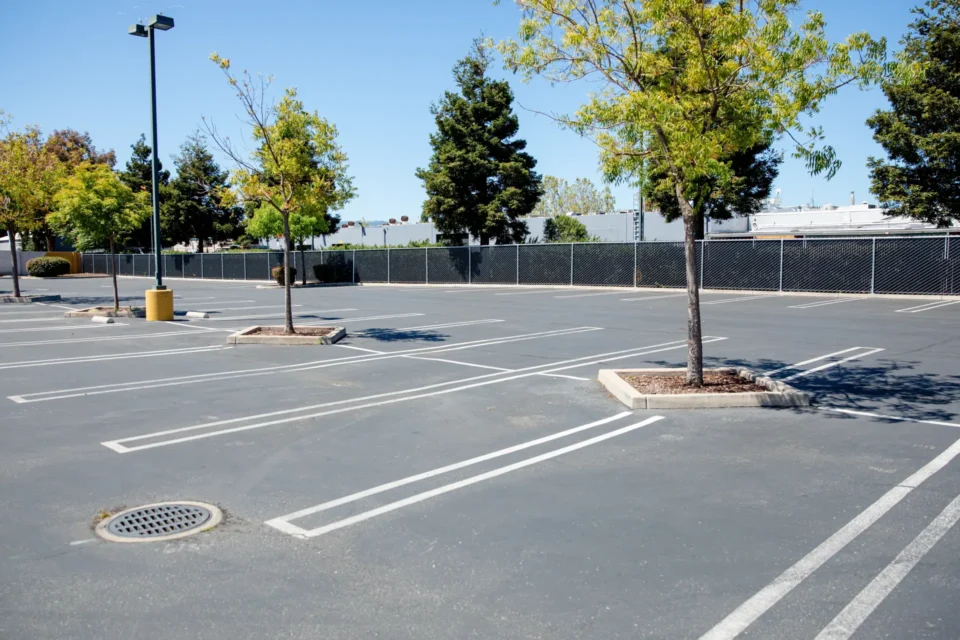
Parking Lot Re-Striping should be performed when pavement markings begin to fade, lose visibility, or no longer meet safety and accessibility standards. The Best Time for Line Striping is typically during periods of dry weather and moderate temperatures that allow paint to adhere and cure properly.
Parking lot markings play an important role in traffic flow, pedestrian safety, parking organization, and property appearance. Faded or damaged striping can create confusion, reduce curb appeal, and increase liability risks. Understanding when to schedule re-striping helps property owners maintain a safe, professional, and well-organized parking environment throughout the year.
How Often Should Parking Lot Lines Be Repainted?
The frequency of parking lot striping depends on several factors, including traffic volume, weather exposure, paint quality, and pavement condition.
While there is no universal schedule, most properties benefit from routine evaluations to determine when markings need attention.
Annual Evaluations Are Recommended
Property owners should inspect parking lot markings at least once each year.
Regular evaluations help identify fading, wear patterns, and safety concerns before they become more significant issues.
High-Traffic Lots May Need More Frequent Service
Parking lots that experience constant vehicle traffic often experience faster paint deterioration.
Retail centers, medical facilities, schools, restaurants, and office complexes may require more frequent re-striping than lower-traffic properties. Properties such as parking lots often need consistent upkeep to maintain organization and visibility.
Weather Exposure Accelerates Wear
Sunlight, rain, temperature fluctuations, and snow removal activities can contribute to fading.
Parking lots exposed to harsh environmental conditions may require maintenance sooner than sheltered locations.
Paint Quality Makes A Difference
Higher-quality striping materials generally provide longer-lasting visibility.
Professional contractors often recommend products based on traffic conditions, pavement age, and environmental exposure.
Routine Maintenance Extends Performance
Addressing faded markings before they disappear completely helps maintain organization and safety.
Regular maintenance can also reduce the need for more extensive corrective work later.
Compliance Should Be Considered
Parking lots must often comply with accessibility requirements and local regulations.
Routine inspections help ensure markings remain visible and compliant with applicable standards.
What Weather Conditions Are Best For Line Striping?
Weather conditions have a significant impact on the success and durability of parking lot striping.
Proper environmental conditions allow paint to adhere correctly and cure as intended.
Dry Pavement Is Essential
Paint should be applied to a clean, dry surface.
Moisture can interfere with adhesion and reduce the longevity of pavement markings.
Contractors typically avoid striping immediately after rainfall or surface washing.
Moderate Temperatures Produce Better Results
Extreme temperatures can affect paint performance.
Most striping products perform best within manufacturer-recommended temperature ranges that support proper drying and curing.
Low Humidity Can Be Beneficial
High humidity may slow drying times and affect application quality.
Moderate humidity levels often create more favorable conditions for consistent results.
Wind Conditions Matter
Strong winds can introduce debris onto freshly painted surfaces and affect paint application.
Calmer weather often helps contractors achieve cleaner and more accurate striping.
Seasonal Planning Improves Results
Scheduling projects during favorable weather periods helps maximize durability and appearance.
Property owners often coordinate maintenance projects around predictable seasonal conditions.
Professional Scheduling Reduces Risk
Experienced contractors monitor weather forecasts carefully before beginning work.
This planning helps avoid unnecessary delays and supports better overall performance.
The Best Time for Line Striping often occurs when dry conditions and stable temperatures are expected for several consecutive days.
Can You Re-stripe Over Old Parking Lot Lines?
In many situations, parking lots can be re-striped over existing markings.
However, the condition of the old striping and the desired layout often determine the best approach.
Re-Striping Existing Layouts
If the parking lot layout remains unchanged, contractors can often apply new paint directly over faded markings.
This approach restores visibility while maintaining the existing traffic flow pattern.
Surface Preparation Remains Important
Even when repainting existing lines, the pavement must be properly prepared.
Cleaning removes dirt, debris, oil, and contaminants that could affect adhesion. For commercial properties, commercial pressure washing can help support cleaner exterior surfaces before maintenance work begins.
Layout Changes May Require Removal
If parking spaces, traffic lanes, or directional markings are being redesigned, old striping may need to be removed.
This helps prevent confusion and ensures the new layout remains clearly visible.
Pavement Condition Must Be Evaluated
Cracked, deteriorated, or damaged pavement may affect striping performance.
Contractors often assess pavement condition before recommending the most effective solution.
Visibility Is The Primary Goal
The objective of re-striping is to improve clarity and safety.
Whether repainting existing markings or creating a new layout, visibility should remain the top priority.
Professional Assessment Provides Guidance
Each parking lot is unique.
A professional evaluation helps determine whether repainting, removal, or redesign will produce the best long-term results.
What Are Signs That Your Parking Lot Needs Re-striping?
Recognizing early signs of deterioration helps property owners address problems before safety and appearance are affected.
Several indicators suggest it may be time to schedule re-striping services.
Faded Parking Space Lines
Parking spaces become less organized when striping loses visibility.
Drivers may park inconsistently, reducing efficiency and increasing congestion.
Difficult-To-Read Directional Markings
Arrows, stop bars, crosswalks, and directional indicators play important roles in traffic control.
When these markings fade, confusion and safety concerns can increase.
Accessibility Markings Are Less Visible
Accessible parking spaces require clear and visible markings.
Fading can affect compliance and create challenges for visitors who depend on designated parking areas.
Property Appearance Has Declined
Parking lots contribute significantly to first impressions.
Fresh striping helps create a clean, organized, and professional appearance for customers, tenants, and visitors.
Uneven Wear Patterns
Some areas experience greater traffic exposure than others.
Uneven fading may indicate that specific sections require maintenance sooner than the rest of the lot.
Increased Safety Concerns
Poor visibility can affect vehicle movement and pedestrian navigation.
Restoring clear pavement markings helps improve safety throughout the property.
Businesses seeking professional parking lot striping services often schedule maintenance once these warning signs begin to appear.
Is Summer The Best Season For Parking Lot Striping?
Summer is often considered one of the most favorable times for striping projects, but it is not the only suitable season.
The best timing depends on weather conditions, project requirements, and property operations.
Warm Temperatures Support Curing
Many striping materials perform well during warmer months.
Consistent temperatures help paint cure properly and support durable results.
Longer Daylight Hours Increase Efficiency
Extended daylight provides contractors with more working time.
This can improve scheduling flexibility and project efficiency.
Increased Scheduling Demand
Summer is a popular season for pavement maintenance.
Property owners may need to schedule services in advance to secure preferred project dates.
Spring And Fall Can Also Be Effective
Moderate temperatures during spring and fall often create excellent striping conditions.
These seasons may offer greater scheduling flexibility compared to peak summer demand.
Winter Conditions May Create Challenges
Cold temperatures, moisture, and unpredictable weather can complicate striping projects.
Contractors typically evaluate conditions carefully before proceeding during colder months.
Weather Matters More Than The Calendar
While summer offers advantages, suitable weather conditions remain the most important factor.
Professional contractors prioritize environmental conditions over specific dates on the calendar.
Does Traffic Volume Affect When To Re-stripe?
Traffic volume plays a significant role in determining when parking lot striping should be refreshed.
Properties with heavier usage generally experience faster wear.
Constant Vehicle Activity Accelerates Fading
Frequent tire contact gradually wears away paint.
Busy parking lots often require more frequent maintenance than lower-traffic properties.
Peak Business Hours Influence Scheduling
Contractors frequently schedule projects during off-peak periods to minimize disruptions.
Evening, weekend, or phased scheduling may be used depending on business operations.
Customer Experience Should Be Considered
Clear markings improve navigation and parking efficiency.
Maintaining visible striping supports a positive experience for customers and visitors.
Safety Requirements Remain Ongoing
Traffic volume affects both wear and safety concerns.
High-use parking lots benefit from proactive maintenance to maintain visibility and organization.
Preventive Maintenance Saves Money
Waiting until markings disappear completely can create additional challenges.
Routine maintenance often provides a more cost-effective solution than extensive corrective work.
Long-Term Planning Supports Better Results
Property managers who incorporate striping into regular maintenance schedules often achieve more consistent performance and appearance.
Traffic patterns should be considered when establishing maintenance timelines.
Protect Your Property’s Professional Appearance
At Power Clean Pressure Washing, we understand that first impressions matter. Clean pavement, visible markings, and organized parking areas contribute to a safer and more professional-looking property.
We help property owners maintain attractive and functional exterior surfaces through reliable service and attention to detail. Whether improving curb appeal, supporting safety, or preparing a property for visitors, we believe proactive maintenance creates long-term value. Proper parking lot care helps protect your investment while enhancing the experience of everyone who visits your property.
Final Thoughts
Parking Lot Re-Striping should be scheduled when markings begin to fade, visibility decreases, or safety concerns emerge. The Best Time for Line Striping is typically during dry weather with moderate temperatures that support proper adhesion and curing.
Factors such as traffic volume, pavement condition, seasonal weather, and regulatory compliance all influence timing. Routine inspections and proactive maintenance help preserve parking lot organization, improve safety, enhance appearance, and extend the effectiveness of pavement markings. Consistent upkeep ensures visitors can navigate your property safely and efficiently throughout the year.