
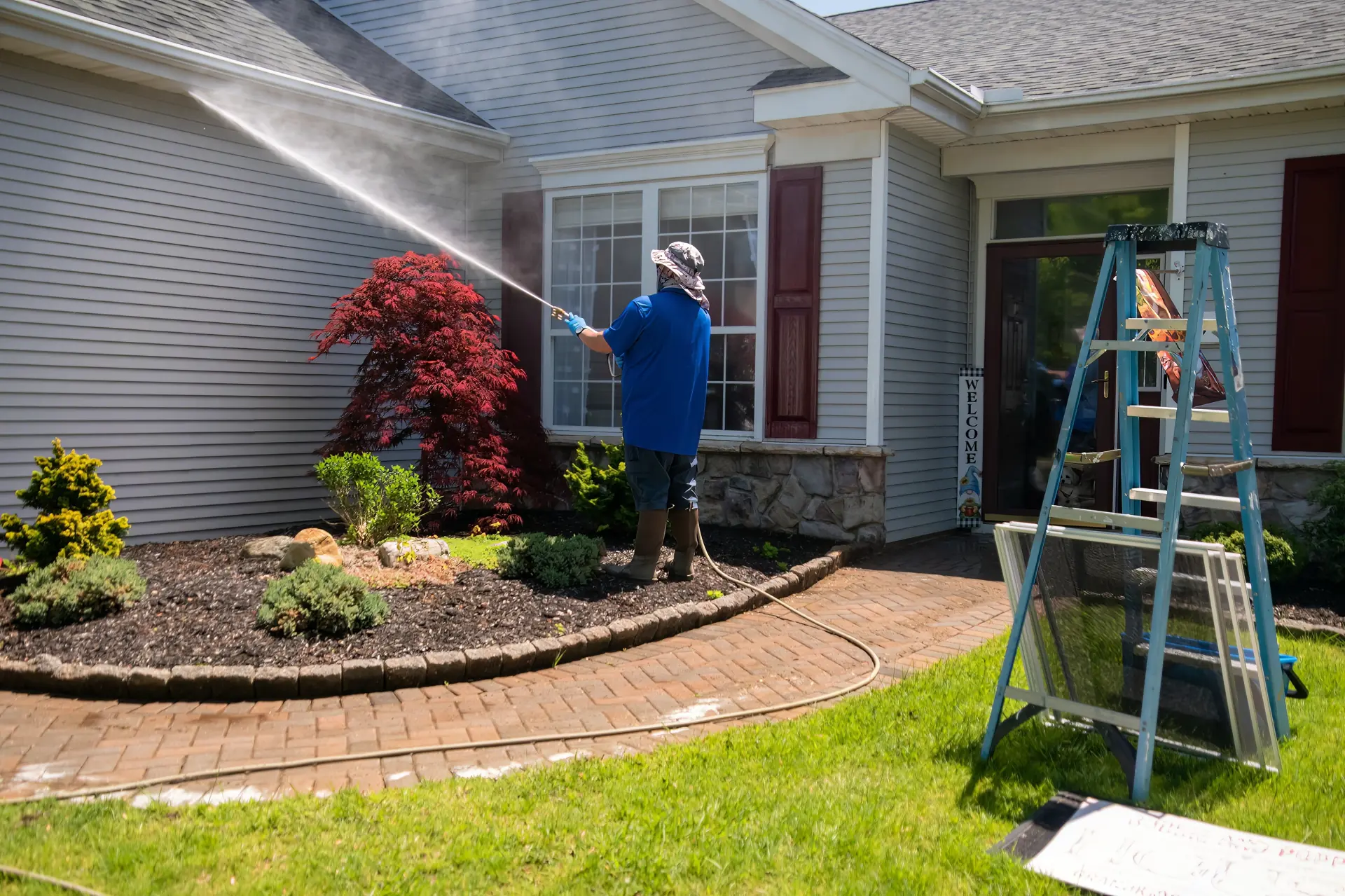
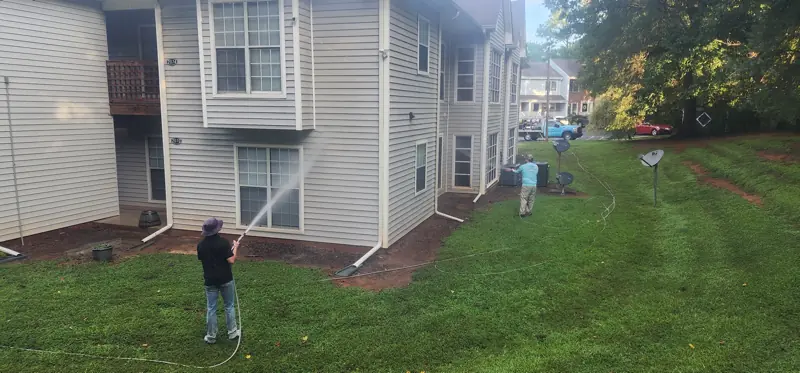
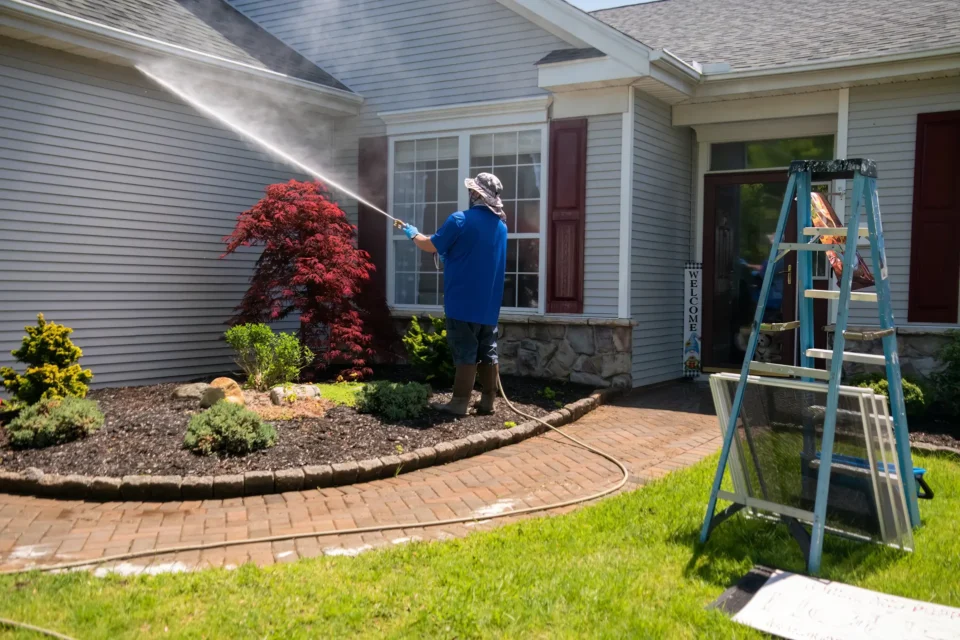
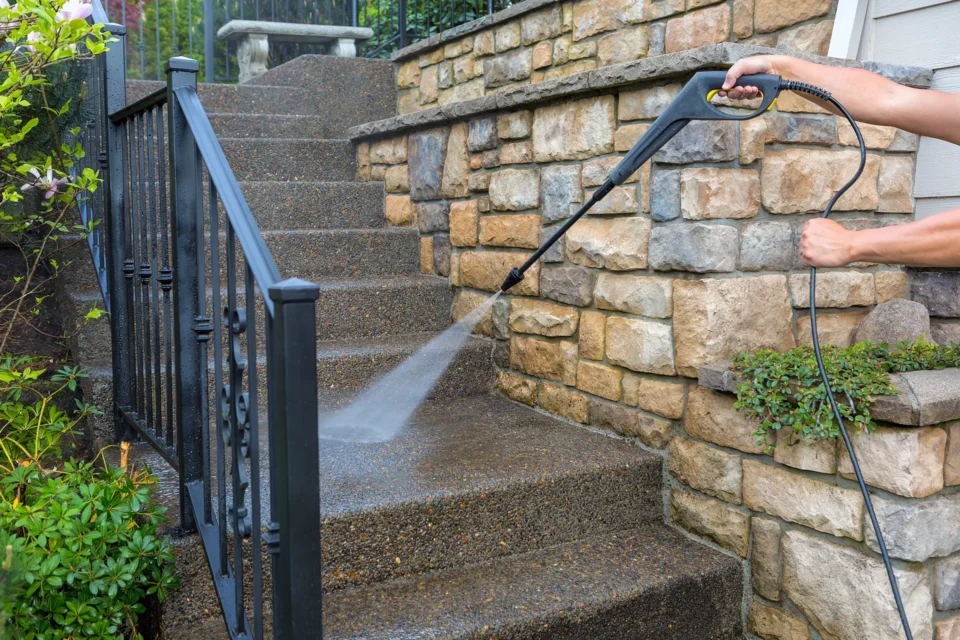
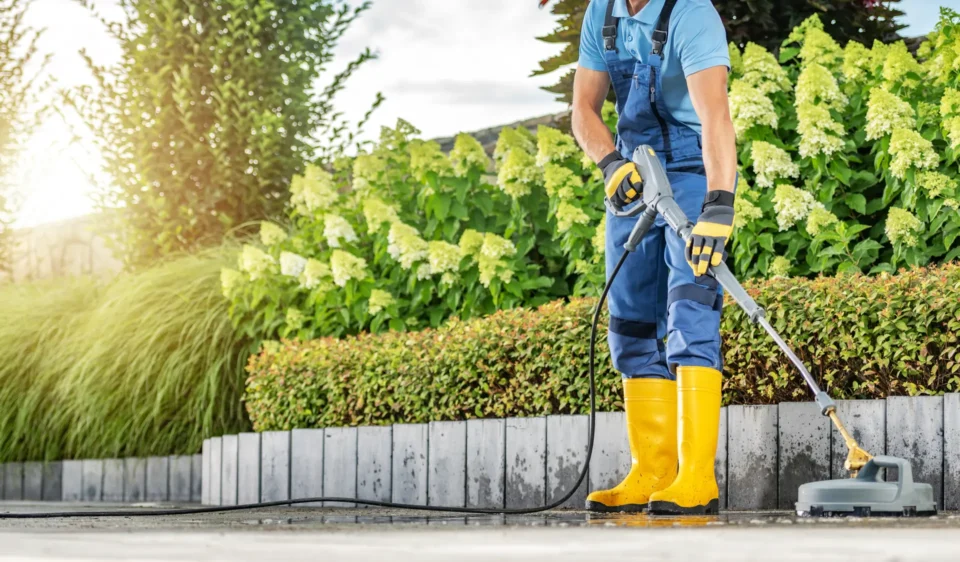
A clean exterior looks great, but using the wrong pressure can do more harm than good. Many homeowners wonder whether exterior pressure washing in Fort Mill, SC is safe for their siding or roof, and the answer depends on how the job is done. Too much force, the wrong angle, or poor technique can lead to pressure washing siding damage and even create roofing problems.
In this blog, we’ll break down what is safe, what is risky, and why roof pressure washing safety matters more than most people realize. Knowing the difference can help you protect your home while still getting it clean.
Can High Pressure Damage Vinyl Siding or Shingles?
Yes—and it’s one of the most common risks in improper cleaning.
Vinyl siding and asphalt shingles are built to withstand weather exposure, but they are not designed to handle concentrated high-pressure water streams.
How vinyl siding gets damaged:
- Water is forced behind panels, leading to hidden moisture buildup
- Panels loosen or crack under excessive force
- Warping can occur, especially in older siding
How shingles get damaged:
- Protective granules are stripped away
- Shingles may lift or shift out of place
- Water can seep underneath, leading to leaks
This type of damage is often linked directly to pressure washing siding damage, especially when homeowners use powerful machines without adjusting the settings.
Another issue is that damage isn’t always visible right away. Moisture trapped behind siding can lead to mold growth inside walls, which becomes a much bigger problem over time. According to the EPA’s mold guidance, hidden moisture is one of the leading causes of indoor mold issues.
Is Soft Washing Safer Than Pressure Washing For Roofs?
Yes—and in most cases, it’s the safest and most effective method.
Soft washing uses low pressure combined with specialized cleaning solutions to remove contaminants at the root level.
What soft washing removes:
- Algae streaks
- Moss growth
- Mold and mildew
- Organic buildup
Why it’s safer:
- No forceful water penetration
- No risk of shingle displacement
- Preserves roofing materials
When it comes to roof pressure washing safety in Fort Mill, SC, soft washing is the industry standard. It doesn’t just clean the surface—it eliminates the underlying cause of stains, which helps keep roofs cleaner for longer. Learn more about how this method works through soft washing services.
Using high pressure on a roof, on the other hand, can significantly reduce its lifespan.
What Pressure Level Is Safe For House Exteriors?
There’s no universal setting—every surface is different.
One of the biggest misconceptions in exterior pressure washing is that more pressure equals better cleaning. In reality, using the wrong pressure is the fastest way to cause damage.
Safe pressure guidelines:
- Vinyl siding: 1,200–1,500 PSI
- Wood siding: 500–1,200 PSI
- Brick: 2,000–3,000 PSI
- Stucco: Low pressure only
- Roofs: Soft wash (no high pressure)
But pressure alone isn’t the only factor.
Professionals also adjust:
- Spray angle (to avoid forcing water inward)
- Nozzle type (wider sprays reduce impact)
- Distance from surface (too close increases force dramatically)
Improper settings are a leading cause of pressure washing siding damage, especially in DIY scenarios. This is why professional pressure washing services are often the safer option.
Can Pressure Washing Strip Paint or Finishes?
Yes—and whether that’s good or bad depends on the goal.
Pressure washing can remove:
- Old or peeling paint
- Deck stains
- Sealants
- Surface coatings
When it becomes a problem:
- Painted siding loses its finish prematurely
- Decorative coatings are damaged
- Surfaces become uneven in appearance
When it’s useful:
- Preparing for repainting
- Removing failing finishes
This is why controlled exterior pressure washing in Fort Mill, SC is so important. Professionals know when to preserve a surface and when to strip it. For deeper insight into surface care, see how exterior cleaning protects paint and siding.
Improper use is a major contributor to pressure washing siding damage, especially on older homes where surfaces are already weakened.
How Do Professionals Prevent Surface Damage?
It’s all about precision, not power.
Professional pressure washing isn’t just about blasting away dirt—it’s about understanding surfaces and using the right approach for each one.
Key methods professionals use:
1. Detailed surface inspection
They identify material type, age, and condition before starting.
2. Pressure control
Pressure is carefully adjusted to match the surface.
3. Soft washing integration
Used for roofs and delicate materials to ensure safety.
4. Proper technique
Spraying at angles that prevent water intrusion.
5. Equipment selection
Using the right nozzles and tools for each job.
These steps significantly reduce the risk of pressure washing siding damage and ensure proper roof pressure washing safety in Fort Mill, SC.
Professionals also understand how different contaminants behave, which allows them to clean more effectively without relying on excessive force.
Is DIY Pressure Washing More Likely to Cause Damage?
In most cases, yes—and often unintentionally.
DIY pressure washing may seem simple, but it comes with risks, especially for homeowners without experience.
Common DIY mistakes:
- Using too much pressure
- Holding the nozzle too close
- Using the wrong spray tip
- Cleaning at incorrect angles
- Ignoring surface-specific needs
These mistakes are the leading causes of pressure washing siding damage.
Another issue is inconsistency. DIY cleaning often results in uneven finishes, missed spots, or streaking.
While renting a machine may seem like a cost-saving option, repairs caused by improper cleaning can quickly outweigh those savings.
Professional exterior pressure washing offers:
- Consistent results
- Safer cleaning methods
- Long-term protection for your home
Final Thoughts
Pressure washing doesn’t have to be risky—but it does require the right knowledge and technique. When done correctly, it enhances your home’s appearance, protects surfaces, and extends the lifespan of your siding and roof.
The key is knowing when to use pressure and when to rely on safer alternatives like soft washing. Avoiding pressure washing siding damage and maintaining proper roof pressure washing safety in Fort Mill, SC comes down to experience, not just equipment.
Get a Cleaner Home the Smart Way in Rock Hill, SC
At Power Clean Pressure Washing, we specialize in safe, effective house washing services that deliver results without risking damage. Whether you’re dealing with buildup on your siding or concerned about proper roof pressure washing safety in Fort Mill, SC, our team uses the right methods for every surface.
Skip the guesswork and protect your home with professionals who know exactly how to get it done right.