

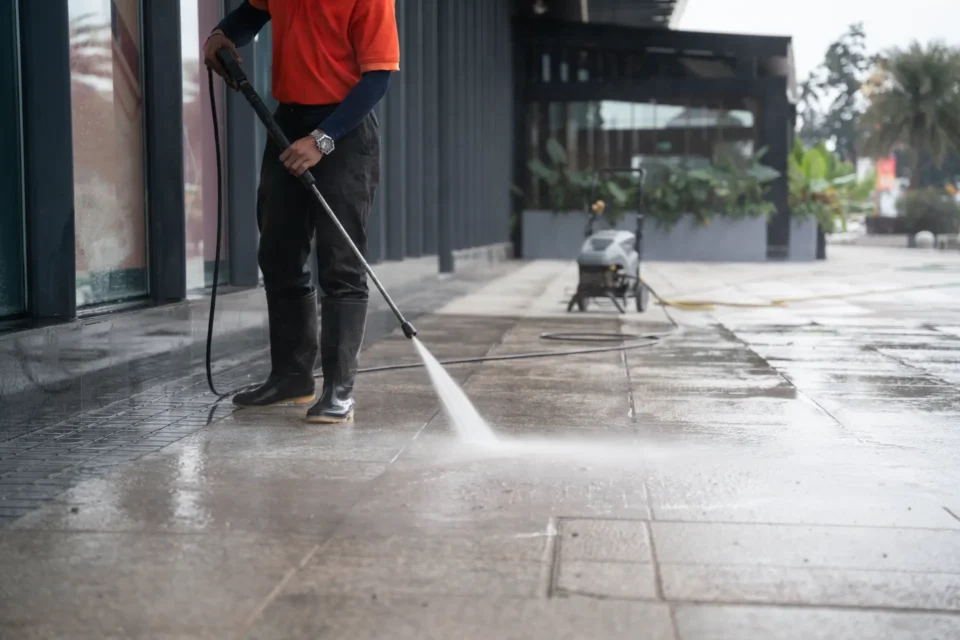
After spending time and effort on driveway pressure washing, it can be frustrating to find that your driveway still looks dirty. Whether you’re dealing with stubborn oil stains, grime, or just general dirt buildup, sometimes driveway pressure washing doesn’t achieve the results you’re expecting. Why is pressure washing not working as well as you’d hoped? What’s causing the stains to remain or come back?
In this blog, we’ll explore common reasons why your driveway might still be dirty after pressure washing, from the type of stains to the limitations of the technique itself. By understanding these driveway cleaning problems in Fort Mill, SC, you’ll be able to better address and prevent them in the future, ensuring that your driveway looks pristine after cleaning.
Why Doesn’t Pressure Washing Remove All Stains?
While pressure washing is an effective way to clean many outdoor surfaces, it’s not a one-size-fits-all solution. There are several reasons why pressure washing might not remove all stains:
- Type of Stains: Some stains, such as oil, grease, rust, or mildew, may require more than just high-pressure water to fully clean. These stains can deeply penetrate the surface of the driveway, and without additional treatments, they might not be fully removed.
- Surface Material: The condition and material of the surface being cleaned play a significant role. Older or porous surfaces, like concrete driveways, may have absorbed stains into the material, making them harder to remove with just water pressure.
- Water Pressure Limits: While pressure washing uses high water pressure, it still relies on the power of water to clean. If the pressure is not high enough or if the nozzle is too far from the surface, the effectiveness of cleaning may be diminished.
In these cases, specialized cleaning treatments or methods might be necessary for more effective results. Pressure washing alone won’t always remove all stains, especially stubborn or deeply embedded ones. Similar issues can occur when sidewalk stains won’t come off, particularly when contaminants have penetrated porous concrete or bonded with the surface over time.
Do Oil Stains Require Special Treatment Beyond Pressure Washing?
Yes, oil stains on your driveway often require special treatment beyond pressure washing. Oil has a tendency to seep deep into concrete, and it’s notoriously difficult to remove with water pressure alone. Here’s why:
- Absorption into Concrete: Concrete is porous, meaning oil can soak deep into the material. Pressure washing may remove some of the surface-level oil, but the deeper oil penetration may still be visible.
- Specialized Oil Removers: For more effective cleaning, oil stain removers and degreasers are often needed. These solutions are designed to break down the oil, making it easier to remove. After applying the oil remover, pressure washing can help lift the oil and wash it away.
- Scrubbing May Be Required: In addition to applying a stain remover, scrubbing the area before or after pressure washing can help lift stubborn oil stains. Pressure washing alone isn’t always effective for oil stains unless combined with a chemical solution or scrubbing.
Thus, oil stains require extra care and special treatment to fully remove them from your driveway. Relying solely on driveway pressure washing without addressing the oil specifically may leave marks behind.
Can Old Stains Become Permanent on Concrete?
Yes, older stains on concrete can become permanent over time, especially if they have been allowed to set and penetrate deep into the surface. Here’s why:
- Stain Penetration: As stains age, they can seep further into the concrete’s porous surface. Over time, these stains can become more difficult to remove, even with professional pressure washing services.
- Surface Damage: If concrete has been subjected to repeated staining and cleaning, the surface may become rougher or more porous, making it harder for pressure washing to remove stains completely. The concrete may absorb stains deeper, making future cleaning more challenging.
- Oxidation and Discoloration: Some stains, like rust, can cause oxidation and lead to permanent discoloration. According to the U.S. Environmental Protection Agency, certain contaminants and chemical reactions can permanently alter surfaces, making removal more difficult.
For older stains, it may take more than just pressure washing to restore the driveway. Specialized treatments may be needed to lift these stains, or in some cases, replacement of the affected area might be necessary.
Is Pre-Treatment Necessary For Deep Cleaning Driveways?
Yes, pre-treatment is often necessary for deep cleaning driveways, especially when dealing with tough stains or grime buildup. Here’s why pre-treatment is important:
- Breaking Down Stubborn Stains: Pre-treatment solutions, such as degreasers, stain removers, or cleaning agents, are designed to break down tough dirt, grease, and grime before the pressure washing process. This makes the cleaning more effective and ensures that deeper stains are addressed.
- Improved Efficiency: By applying a pre-treatment, you allow the chemicals to loosen the dirt, algae, or oil before high-pressure water is used. This reduces the time and effort needed during the pressure washing process, as it helps to lift the contaminants more effectively.
- Targeted Cleaning: Pre-treatment is especially important when dealing with specific stains like oil, rust, or mold. These stains require specialized treatments that pressure washing alone may not address.
If you’ve tried pressure washing and still have stubborn stains, it’s likely that pre-treatment is needed to tackle those tough spots more effectively.
Why Do Stains Come Back After Pressure Washing?
One of the frustrating aspects of pressure washing not working as expected is when stains come back shortly after the cleaning. Here are some reasons why stains may reappear:
- Incomplete Stain Removal: Pressure washing may not remove all the stain, especially for deeply embedded stains like oil or rust. Once the driveway dries, any remaining stain can resurface, making it appear as though the pressure washing didn’t work.
- Dirty Water: In some cases, water used during pressure washing can wash dirt into porous surfaces, causing stains to come back. This is especially true if the driveway has not been pre-treated or if the water isn’t properly flushed away.
- Weather and Environmental Factors: Environmental conditions, such as rain, can cause dirt, algae, or moss to quickly return to a driveway. This is particularly common in damp or humid areas where organic growth can quickly regrow after being washed away.
To prevent stains from coming back after pressure washing, it’s important to apply proper treatments, allow time for drying, and consider sealers or protective coatings that can help maintain cleanliness for a longer period. Allowing adequate drying time also matters, which is why knowing how soon you can use your driveway after pressure washing can help protect the freshly cleaned surface from new tire marks, dirt, and contaminants.
Does Water Pressure
Does Water Pressure Alone Remove Embedded Grime?
No, water pressure alone often isn’t sufficient to remove embedded grime or deep stains. While pressure washing is effective for surface dirt and debris, it relies on high-pressure water to clean. However, the effectiveness of pressure washing is limited when dealing with tough, embedded grime. Here’s why:
- Surface Level Cleaning: Pressure washing works best on surface-level dirt, algae, or mildew. If grime has penetrated deep into the concrete, water pressure alone may not be enough to remove it.
- Need for Detergents and Chemical Treatments: To remove embedded grime, it’s usually necessary to use detergents, degreasers, or specialized cleaning agents. These chemicals break down the grime, making it easier to lift during the pressure washing process.
- Scrubbing May Be Needed: In some cases, additional scrubbing or agitation may be required to fully remove deep grime. Professional services often combine scrubbing with high-pressure water to ensure the surface is thoroughly cleaned, as explained in the science of pressure washing.
Water pressure alone isn’t always enough to remove embedded grime, especially if the dirt has set into porous surfaces like concrete.
Conclusion
While pressure washing is an excellent method for cleaning your driveway, it’s not always a one-size-fits-all solution.
Tough stains like oil or rust may require pre-treatment or specialized cleaning agents. Additionally, deeply embedded grime or old stains can prove difficult to remove with pressure washing alone.
If you’ve noticed stains reappearing after cleaning, it’s likely that more advanced methods are needed. By understanding the limitations of pressure washing and utilizing the right treatments, you can achieve a cleaner, more durable driveway that lasts longer and looks pristine.
How to Achieve a Cleaner Driveway With Professional Pressure Washing
If you’re facing driveway cleaning problems in Fort Mill, SC, consider working with a professional pressure washing company in Fort Mill, SC to ensure that your driveway is cleaned thoroughly and properly.
At Power Clean Pressure Washing, we specialize in providing professional pressure washing services that tackle even the toughest stains. Contact us today to schedule your pressure washing service and get your driveway looking brand new again.