

A fence is supposed to be a quiet hero.
It defines boundaries, adds structure, and subtly frames your property. When it’s doing its job well, most people barely notice it. It blends into the overall picture, making everything feel finished and intentional.
But there’s a moment every fence reaches where it stops helping and starts working against you.
It doesn’t happen overnight. There’s no dramatic collapse or obvious failure. Instead, the fence slowly shifts from “background feature” to “visual problem.” And once that happens, it can quietly drag down your property’s image without you realizing why.
When Does an Old Fence Begin to Damage The Appearance of a Home Instead of Improving It?
The tricky thing about fences is that homeowners often get used to them.
You see the same leaning post every day. The same faded boards. The same rust stains or green algae creeping up the surface. Over time, your brain stops registering them as flaws.
But visitors and passersby don’t have that familiarity.
An old fence begins to damage the appearance of a home when it becomes visually louder than the house itself. Instead of framing the property, it competes with it or distracts from it.
This usually happens when:
- The fence color has faded unevenly
- Boards are warped, cracked, or missing
- Metal fencing shows rust or corrosion
- Stains, mildew, or algae are clearly visible
- Sections lean or sag instead of standing straight
At that point, the fence stops being a neutral boundary and starts signaling neglect. Even if the rest of the property is well cared for, the fence can dominate the visual narrative.
The house might look great. The fence tells a different story.
What are the Signs That a Fence is Lowering Property Value Rather Than Adding Curb Appeal?
Not every old fence hurts property value, but certain signs almost always do.
Potential buyers, appraisers, and even neighbors subconsciously evaluate fences as part of the home’s overall condition. When a fence looks tired or damaged, it suggests deferred maintenance.
Some of the most common signs a fence is lowering value include:
- Peeling paint or stain that exposes bare material
- Dark streaks or blotches from mold or algae
- Loose or broken panels that compromise structure
- Rust bleeding onto concrete or grass
- Mismatched repairs that look improvised
- Gates that no longer align or close properly
These issues don’t just affect aesthetics. They raise questions.
If the fence hasn’t been maintained, what else hasn’t been maintained?
That question alone can influence how buyers and appraisers evaluate the entire property. Even if they never say it out loud, it factors into perceived risk and future cost.
A fence that looks neglected rarely gets the benefit of the doubt.
How Can a Worn or Outdated Fence Affect the Overall Image of a Neighborhood Property?
Fences don’t exist in isolation. They’re part of a shared visual environment.
In many neighborhoods, especially those with consistent home styles or HOA standards, a worn fence stands out immediately. It can make an otherwise well-kept property feel disconnected from its surroundings.
A worn or outdated fence can:
- Make a home look older than it actually is
- Break visual continuity with neighboring properties
- Create the impression of uneven upkeep
- Draw attention away from landscaping or architecture
In neighborhoods where curb appeal matters, one neglected element can overshadow multiple positive features.
Even in more relaxed areas, a visibly deteriorating fence can change how people perceive the property owner’s attention to detail. That perception doesn’t stay at the fence line. It spills over into assumptions about the home as a whole.
Fences are part of the neighborhood conversation whether you intend them to be or not.
Why Do Potential Buyers See a Damaged Fence as a Negative First Impression?
First impressions in real estate happen fast. Often within seconds.
Before buyers step inside, before they notice countertops or flooring, they take in the exterior. The fence is usually one of the first things they see, especially if it faces the street or frames the front yard.
A damaged fence creates friction in that moment.
Buyers may think:
- “This is another thing I’ll have to fix.”
- “What else might be wrong?”
- “This looks like extra work.”
Even if the fence repair is minor, buyers tend to mentally inflate the cost and hassle. It becomes part of the negotiation narrative, whether fair or not.
A fence that looks neglected can also undermine trust. Buyers wonder if cosmetic issues were ignored, what about hidden ones?
That doubt doesn’t disappear easily once it’s planted.
Seasonal presentation can matter, too. Fence cleaning for holiday curb appeal can help remove dark staining, algae, and accumulated grime before decorations and winter gatherings put more visual attention on the property’s exterior.
Your Fence is Part of Your First Impression, Not an Afterthought
Whether you’re planning to sell, rent, or simply want your property to reflect pride of ownership, the fence matters.
It frames the home. It sets expectations. It influences perception.
When it’s clean, straight, and well-maintained, it quietly does its job.
When it’s not, it speaks loudly.
Restore the Fence Before It Redefines Your Property
A Clean Fence Can Change the Whole Story
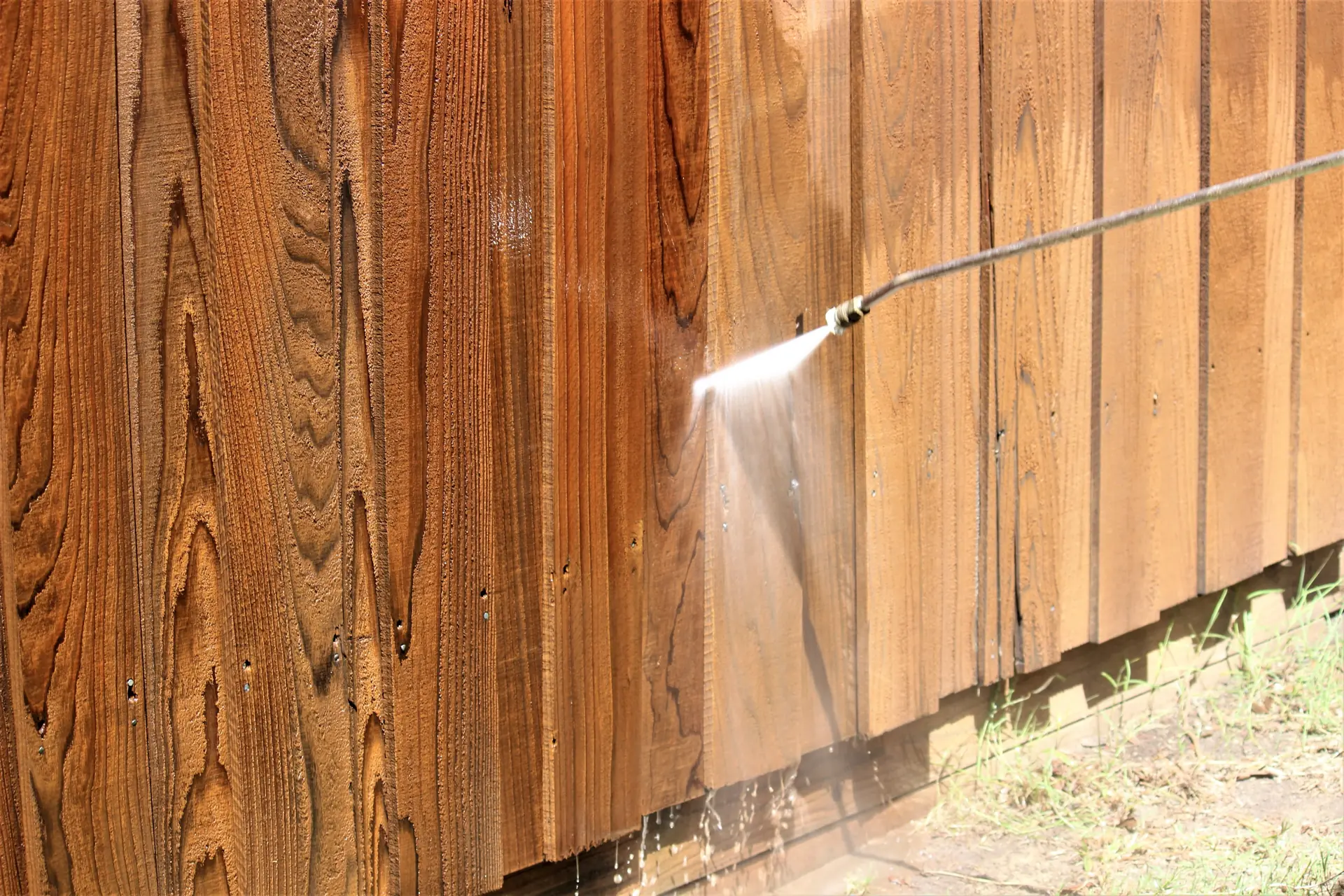
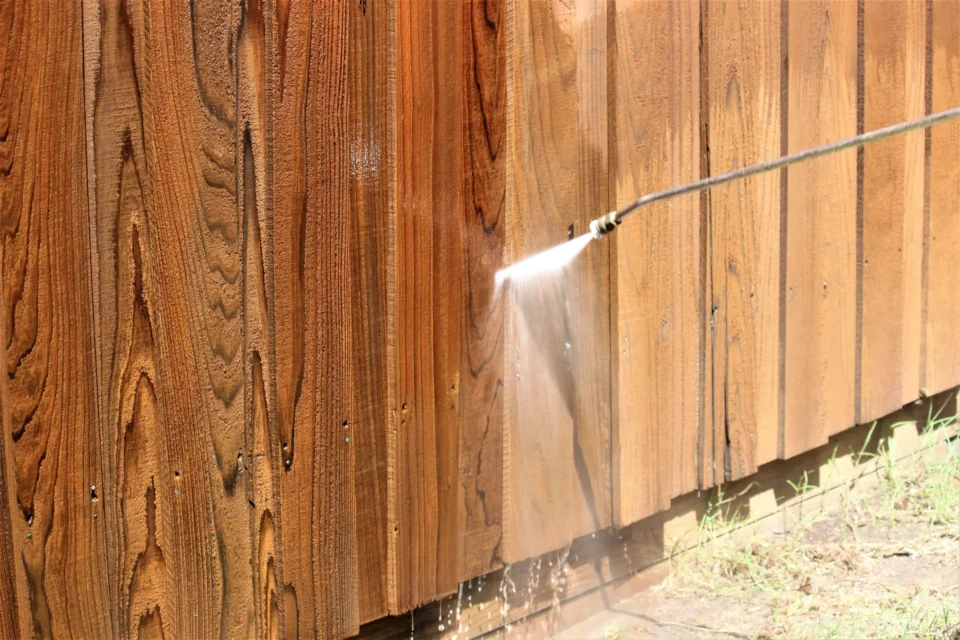
At Power Clean Pressure Washing, we help property owners restore fences that have slipped from asset to liability. Our professional pressure washing services remove years of buildup, algae, and staining that quietly damage curb appeal and property image.
If your fence has started blending into the background for the wrong reasons, now is the time to act. Contact Power Clean Pressure Washing today and let your fence protect your property’s image again, instead of hurting it.